Northern Hemisphere permafrost map based on TTOP modelling for 2000—2016 at 1 km2 scale
1
2019
... 多年冻土定义为温度在0 ℃或低于0 ℃至少连续存在两年的岩土层,其主要分布在高纬度和高海拔地区,约占北半球陆地面积的22%[1 ] .多年冻土区土壤有机碳储量约占全球碳储量的一半以上,相当于植被和大气碳储量的总和[2 ] .在全球变暖的背景下,多年冻土退化导致长期封存的有机碳被微生物分解,以温室气体的形式释放到大气中,对气候变化造成正反馈效应.因此,多年冻土碳对气候变化的反馈是国际前沿科学问题,明确其释放速率也是降低未来气候变化预估不确定性的关键内容之一. ...
Climate change and the permafrost carbon feedback
1
2015
... 多年冻土定义为温度在0 ℃或低于0 ℃至少连续存在两年的岩土层,其主要分布在高纬度和高海拔地区,约占北半球陆地面积的22%[1 ] .多年冻土区土壤有机碳储量约占全球碳储量的一半以上,相当于植被和大气碳储量的总和[2 ] .在全球变暖的背景下,多年冻土退化导致长期封存的有机碳被微生物分解,以温室气体的形式释放到大气中,对气候变化造成正反馈效应.因此,多年冻土碳对气候变化的反馈是国际前沿科学问题,明确其释放速率也是降低未来气候变化预估不确定性的关键内容之一. ...
Soil organic carbon pools in the northern circumpolar permafrost region
1
2009
... IPCC第四次评估报告(AR4)指出全球气候变暖导致多年冻土面积在减少,冻土融化深度也在不断增加.IPCC第五次评估报告(AR5)指出,自1980年代初以来,由于气温升高和积雪变化,大多数地区的多年冻土温度都有所上升(高信度).此外,根据多模式预估的结果表明,随着全球地表平均温度升高,近地表多年冻土范围(指表层3.5 m深度有多年冻土发育的地区)的平均值可能减少37%(Representative Concentration Pathway(RCP)2.6情景)到81%(RCP8.5情景)(中等信度1 [3 -4 ] ,但其存在很大的不确定性.随着全球气候变暖,多年冻土退化很可能会造成CO2 和CH4 的大量排放,导致现有的多年冻土区成为含碳温室气体的净排放源.预计在21世纪,在RCP8.5情景下,多年冻土退化将排放180~920 Pg CO2 (根据CO2 和C的分子量关系,180~920 Pg的CO2 相当于50~250 PgC)(低信度).IPCC第六次评估报告(AR6)第一工作组报告在AR5、《全球1.5 ℃增温特别报告》(SR1.5)和《气候变化中的海洋和冰冻圈特别报告》(SROCC)的基础上,结合最新的观测和模拟结果,对多年冻土区土壤有机碳储量、碳源汇效应及温室气体的未来排放情况进行了全面总结和评估.本文根据IPCC(AR6)报告中对北半球多年冻土碳的相关内容和讨论进行解读. ...
Carbon and other biogeochemical cycles
1
2014
... IPCC第四次评估报告(AR4)指出全球气候变暖导致多年冻土面积在减少,冻土融化深度也在不断增加.IPCC第五次评估报告(AR5)指出,自1980年代初以来,由于气温升高和积雪变化,大多数地区的多年冻土温度都有所上升(高信度).此外,根据多模式预估的结果表明,随着全球地表平均温度升高,近地表多年冻土范围(指表层3.5 m深度有多年冻土发育的地区)的平均值可能减少37%(Representative Concentration Pathway(RCP)2.6情景)到81%(RCP8.5情景)(中等信度1 [3 -4 ] ,但其存在很大的不确定性.随着全球气候变暖,多年冻土退化很可能会造成CO2 和CH4 的大量排放,导致现有的多年冻土区成为含碳温室气体的净排放源.预计在21世纪,在RCP8.5情景下,多年冻土退化将排放180~920 Pg CO2 (根据CO2 和C的分子量关系,180~920 Pg的CO2 相当于50~250 PgC)(低信度).IPCC第六次评估报告(AR6)第一工作组报告在AR5、《全球1.5 ℃增温特别报告》(SR1.5)和《气候变化中的海洋和冰冻圈特别报告》(SROCC)的基础上,结合最新的观测和模拟结果,对多年冻土区土壤有机碳储量、碳源汇效应及温室气体的未来排放情况进行了全面总结和评估.本文根据IPCC(AR6)报告中对北半球多年冻土碳的相关内容和讨论进行解读. ...
Estimated stocks of circumpolar permafrost carbon with quantified uncertainty ranges and identified data gaps
1
2014
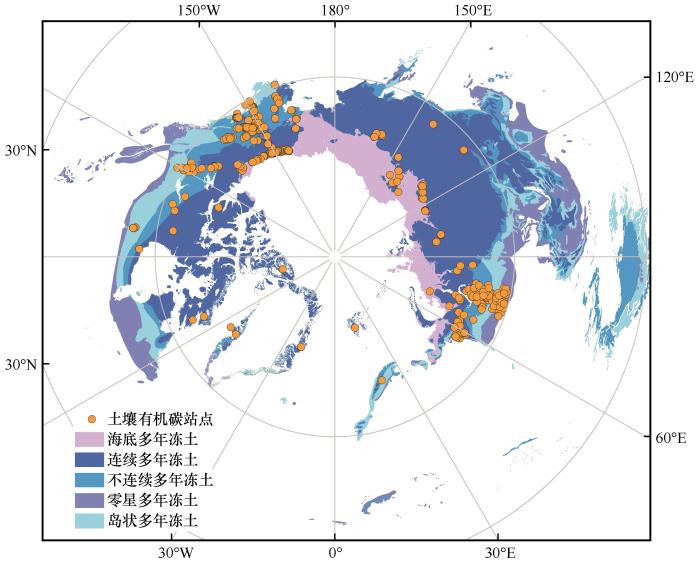
... 数千万年以来,多年冻土区的低温环境限制了土壤有机质的分解,使埋藏在冻土层中的动植物残体以有机碳的形式逐渐累积.据估计,北半球多年冻土区(图1 )表层土壤和深层沉积物的有机碳储量为1 460~1 600 Pg[5 -7 ] (中等信度),其中多年冻土区表层0~3 m土壤和沉积物的碳储量约为1 070~1 360 Pg,表层0~1 m土壤的有机碳储量约为300~400 Pg,其余的有机碳存储在深层沉积物中.此外,280~340 PgC储存在北半球多年冻土区内的无多年冻土的地区(由于多年冻土埋藏在地表以下,精确的多年冻土分布范围资料不可获得,因此按大致的范围划分多年冻土区,其中包括一些实际上没有多年冻土的地区).除北极地区以外,在其他寒冷的地区(如高海拔地区)也存在多年冻土,但这些地区的有机碳含量比北极要低.例如,青藏高原多年冻土区表层2 m的土壤碳储量估算值约为(27.9±6.2) Pg[8 ] ,其约占北极表层2 m土壤碳储量的3%左右.与极地地区相比,高寒多年冻土区有机碳含量存在空间异质性和分析方法的差异,因此青藏高原多年冻土碳储量的估算存在较大的差异[9 -13 ] .多年冻土区作为全球碳库的重要组成部分,在全球变暖的气候背景下,其升温速率是全球平均水平的两倍多,这可能会导致多年冻土加速退化并促进微生物分解有机质释放温室气体的过程,从而使气候进一步变暖[6 ,13 ] . ...
Deep Yedoma permafrost: a synthesis of depositional characteristics and carbon vulnerability
1
2017
... 数千万年以来,多年冻土区的低温环境限制了土壤有机质的分解,使埋藏在冻土层中的动植物残体以有机碳的形式逐渐累积.据估计,北半球多年冻土区(图1 )表层土壤和深层沉积物的有机碳储量为1 460~1 600 Pg[5 -7 ] (中等信度),其中多年冻土区表层0~3 m土壤和沉积物的碳储量约为1 070~1 360 Pg,表层0~1 m土壤的有机碳储量约为300~400 Pg,其余的有机碳存储在深层沉积物中.此外,280~340 PgC储存在北半球多年冻土区内的无多年冻土的地区(由于多年冻土埋藏在地表以下,精确的多年冻土分布范围资料不可获得,因此按大致的范围划分多年冻土区,其中包括一些实际上没有多年冻土的地区).除北极地区以外,在其他寒冷的地区(如高海拔地区)也存在多年冻土,但这些地区的有机碳含量比北极要低.例如,青藏高原多年冻土区表层2 m的土壤碳储量估算值约为(27.9±6.2) Pg[8 ] ,其约占北极表层2 m土壤碳储量的3%左右.与极地地区相比,高寒多年冻土区有机碳含量存在空间异质性和分析方法的差异,因此青藏高原多年冻土碳储量的估算存在较大的差异[9 -13 ] .多年冻土区作为全球碳库的重要组成部分,在全球变暖的气候背景下,其升温速率是全球平均水平的两倍多,这可能会导致多年冻土加速退化并促进微生物分解有机质释放温室气体的过程,从而使气候进一步变暖[6 ,13 ] . ...
Spatial heterogeneity and environmental predictors of permafrost region soil organic carbon stocks
1
2021
... 数千万年以来,多年冻土区的低温环境限制了土壤有机质的分解,使埋藏在冻土层中的动植物残体以有机碳的形式逐渐累积.据估计,北半球多年冻土区(图1 )表层土壤和深层沉积物的有机碳储量为1 460~1 600 Pg[5 -7 ] (中等信度),其中多年冻土区表层0~3 m土壤和沉积物的碳储量约为1 070~1 360 Pg,表层0~1 m土壤的有机碳储量约为300~400 Pg,其余的有机碳存储在深层沉积物中.此外,280~340 PgC储存在北半球多年冻土区内的无多年冻土的地区(由于多年冻土埋藏在地表以下,精确的多年冻土分布范围资料不可获得,因此按大致的范围划分多年冻土区,其中包括一些实际上没有多年冻土的地区).除北极地区以外,在其他寒冷的地区(如高海拔地区)也存在多年冻土,但这些地区的有机碳含量比北极要低.例如,青藏高原多年冻土区表层2 m的土壤碳储量估算值约为(27.9±6.2) Pg[8 ] ,其约占北极表层2 m土壤碳储量的3%左右.与极地地区相比,高寒多年冻土区有机碳含量存在空间异质性和分析方法的差异,因此青藏高原多年冻土碳储量的估算存在较大的差异[9 -13 ] .多年冻土区作为全球碳库的重要组成部分,在全球变暖的气候背景下,其升温速率是全球平均水平的两倍多,这可能会导致多年冻土加速退化并促进微生物分解有机质释放温室气体的过程,从而使气候进一步变暖[6 ,13 ] . ...
Editorial: organic carbon pools in permafrost regions on the Qinghai-Xizang (Tibetan) Plateau
1
2015
... 数千万年以来,多年冻土区的低温环境限制了土壤有机质的分解,使埋藏在冻土层中的动植物残体以有机碳的形式逐渐累积.据估计,北半球多年冻土区(图1 )表层土壤和深层沉积物的有机碳储量为1 460~1 600 Pg[5 -7 ] (中等信度),其中多年冻土区表层0~3 m土壤和沉积物的碳储量约为1 070~1 360 Pg,表层0~1 m土壤的有机碳储量约为300~400 Pg,其余的有机碳存储在深层沉积物中.此外,280~340 PgC储存在北半球多年冻土区内的无多年冻土的地区(由于多年冻土埋藏在地表以下,精确的多年冻土分布范围资料不可获得,因此按大致的范围划分多年冻土区,其中包括一些实际上没有多年冻土的地区).除北极地区以外,在其他寒冷的地区(如高海拔地区)也存在多年冻土,但这些地区的有机碳含量比北极要低.例如,青藏高原多年冻土区表层2 m的土壤碳储量估算值约为(27.9±6.2) Pg[8 ] ,其约占北极表层2 m土壤碳储量的3%左右.与极地地区相比,高寒多年冻土区有机碳含量存在空间异质性和分析方法的差异,因此青藏高原多年冻土碳储量的估算存在较大的差异[9 -13 ] .多年冻土区作为全球碳库的重要组成部分,在全球变暖的气候背景下,其升温速率是全球平均水平的两倍多,这可能会导致多年冻土加速退化并促进微生物分解有机质释放温室气体的过程,从而使气候进一步变暖[6 ,13 ] . ...
Soil organic carbon and its relationship to vegetation communities and soil properties in permafrost areas of the central western Qinghai-Tibet Plateau, China
1
2012
... 数千万年以来,多年冻土区的低温环境限制了土壤有机质的分解,使埋藏在冻土层中的动植物残体以有机碳的形式逐渐累积.据估计,北半球多年冻土区(图1 )表层土壤和深层沉积物的有机碳储量为1 460~1 600 Pg[5 -7 ] (中等信度),其中多年冻土区表层0~3 m土壤和沉积物的碳储量约为1 070~1 360 Pg,表层0~1 m土壤的有机碳储量约为300~400 Pg,其余的有机碳存储在深层沉积物中.此外,280~340 PgC储存在北半球多年冻土区内的无多年冻土的地区(由于多年冻土埋藏在地表以下,精确的多年冻土分布范围资料不可获得,因此按大致的范围划分多年冻土区,其中包括一些实际上没有多年冻土的地区).除北极地区以外,在其他寒冷的地区(如高海拔地区)也存在多年冻土,但这些地区的有机碳含量比北极要低.例如,青藏高原多年冻土区表层2 m的土壤碳储量估算值约为(27.9±6.2) Pg[8 ] ,其约占北极表层2 m土壤碳储量的3%左右.与极地地区相比,高寒多年冻土区有机碳含量存在空间异质性和分析方法的差异,因此青藏高原多年冻土碳储量的估算存在较大的差异[9 -13 ] .多年冻土区作为全球碳库的重要组成部分,在全球变暖的气候背景下,其升温速率是全球平均水平的两倍多,这可能会导致多年冻土加速退化并促进微生物分解有机质释放温室气体的过程,从而使气候进一步变暖[6 ,13 ] . ...
Soil organic carbon pools and stocks in permafrost-affected soils on the Tibetan Plateau
2013
Soil organic carbon and total nitrogen pools in permafrost zones of the Qinghai-Tibetan Plateau
2018
The paleoclimatic footprint in the soil carbon stock of the Tibetan permafrost region
2019
The status and stability of permafrost carbon on the Tibetan Plateau
3
2020
... 数千万年以来,多年冻土区的低温环境限制了土壤有机质的分解,使埋藏在冻土层中的动植物残体以有机碳的形式逐渐累积.据估计,北半球多年冻土区(图1 )表层土壤和深层沉积物的有机碳储量为1 460~1 600 Pg[5 -7 ] (中等信度),其中多年冻土区表层0~3 m土壤和沉积物的碳储量约为1 070~1 360 Pg,表层0~1 m土壤的有机碳储量约为300~400 Pg,其余的有机碳存储在深层沉积物中.此外,280~340 PgC储存在北半球多年冻土区内的无多年冻土的地区(由于多年冻土埋藏在地表以下,精确的多年冻土分布范围资料不可获得,因此按大致的范围划分多年冻土区,其中包括一些实际上没有多年冻土的地区).除北极地区以外,在其他寒冷的地区(如高海拔地区)也存在多年冻土,但这些地区的有机碳含量比北极要低.例如,青藏高原多年冻土区表层2 m的土壤碳储量估算值约为(27.9±6.2) Pg[8 ] ,其约占北极表层2 m土壤碳储量的3%左右.与极地地区相比,高寒多年冻土区有机碳含量存在空间异质性和分析方法的差异,因此青藏高原多年冻土碳储量的估算存在较大的差异[9 -13 ] .多年冻土区作为全球碳库的重要组成部分,在全球变暖的气候背景下,其升温速率是全球平均水平的两倍多,这可能会导致多年冻土加速退化并促进微生物分解有机质释放温室气体的过程,从而使气候进一步变暖[6 ,13 ] . ...
... ,13 ]. ...
... 此外,地下冰的大量融化、湖泊扩张、排干和火灾等过程会导致多年冻土的快速崩塌.在山地多年冻土区(如青藏高原),冻土快速退化会形成热融滑塌,热侵蚀沟以及活动层边坡坍塌,并且多年冻土的退化将会降低边坡的稳定性,并增加冰川湖的数量和面积(高信度);而在排水不良的地区,冻土快速退化会形成热喀斯特湿地和热融湖塘[13 ,16 ] .在这一些地形上,多年冻土的融化通常会因滑坡运输、原地淹没或排水等原因,从而间接改变多年冻土层的水文状态[17 ] .若融化的多年冻土层物质暴露在还原条件下,土壤碳的矿化速率会因缺氧而受限,但CH4 的释放量会增加.随着冻融特征的稳定和生态演替,多年冻土退化区的碳平衡也会发生变化(例如,热喀斯特湖泊在千年时间尺度上,会从最初形成时的碳源转变为碳汇)[18 -20 ] . ...
Submarine Permafrost Map (SuPerMAP), modeled with CryoGrid 2, Circum-Arctic
2
2020
... 数千万年以来,多年冻土区的低温环境限制了土壤有机质的分解,使埋藏在冻土层中的动植物残体以有机碳的形式逐渐累积.据估计,北半球多年冻土区(
图1 )表层土壤和深层沉积物的有机碳储量为1 460~1 600 Pg
[5 -7 ] (中等信度),其中多年冻土区表层0~3 m土壤和沉积物的碳储量约为1 070~1 360 Pg,表层0~1 m土壤的有机碳储量约为300~400 Pg,其余的有机碳存储在深层沉积物中.此外,280~340 PgC储存在北半球多年冻土区内的无多年冻土的地区(由于多年冻土埋藏在地表以下,精确的多年冻土分布范围资料不可获得,因此按大致的范围划分多年冻土区,其中包括一些实际上没有多年冻土的地区).除北极地区以外,在其他寒冷的地区(如高海拔地区)也存在多年冻土,但这些地区的有机碳含量比北极要低.例如,青藏高原多年冻土区表层2 m的土壤碳储量估算值约为(27.9±6.2) Pg
[8 ] ,其约占北极表层2 m土壤碳储量的3%左右.与极地地区相比,高寒多年冻土区有机碳含量存在空间异质性和分析方法的差异,因此青藏高原多年冻土碳储量的估算存在较大的差异
[9 -13 ] .多年冻土区作为全球碳库的重要组成部分,在全球变暖的气候背景下,其升温速率是全球平均水平的两倍多,这可能会导致多年冻土加速退化并促进微生物分解有机质释放温室气体的过程,从而使气候进一步变暖
[6 ,13 ] .
图1 北半球多年冻土分布<sup>[<xref ref-type="bibr" rid="R14">14</xref>-<xref ref-type="bibr" rid="R15">15</xref>]</sup> The distribution of permafrost in the Northern Hemisphere<sup>[<xref ref-type="bibr" rid="R14">14</xref>-<xref ref-type="bibr" rid="R15">15</xref>]</sup> Fig. 1 ![]()
此外,地下冰的大量融化、湖泊扩张、排干和火灾等过程会导致多年冻土的快速崩塌.在山地多年冻土区(如青藏高原),冻土快速退化会形成热融滑塌,热侵蚀沟以及活动层边坡坍塌,并且多年冻土的退化将会降低边坡的稳定性,并增加冰川湖的数量和面积(高信度);而在排水不良的地区,冻土快速退化会形成热喀斯特湿地和热融湖塘[13 ,16 ] .在这一些地形上,多年冻土的融化通常会因滑坡运输、原地淹没或排水等原因,从而间接改变多年冻土层的水文状态[17 ] .若融化的多年冻土层物质暴露在还原条件下,土壤碳的矿化速率会因缺氧而受限,但CH4 的释放量会增加.随着冻融特征的稳定和生态演替,多年冻土退化区的碳平衡也会发生变化(例如,热喀斯特湖泊在千年时间尺度上,会从最初形成时的碳源转变为碳汇)[18 -20 ] . ...
... [
14 -
15 ]
Fig. 1 ![]()
此外,地下冰的大量融化、湖泊扩张、排干和火灾等过程会导致多年冻土的快速崩塌.在山地多年冻土区(如青藏高原),冻土快速退化会形成热融滑塌,热侵蚀沟以及活动层边坡坍塌,并且多年冻土的退化将会降低边坡的稳定性,并增加冰川湖的数量和面积(高信度);而在排水不良的地区,冻土快速退化会形成热喀斯特湿地和热融湖塘[13 ,16 ] .在这一些地形上,多年冻土的融化通常会因滑坡运输、原地淹没或排水等原因,从而间接改变多年冻土层的水文状态[17 ] .若融化的多年冻土层物质暴露在还原条件下,土壤碳的矿化速率会因缺氧而受限,但CH4 的释放量会增加.随着冻融特征的稳定和生态演替,多年冻土退化区的碳平衡也会发生变化(例如,热喀斯特湖泊在千年时间尺度上,会从最初形成时的碳源转变为碳汇)[18 -20 ] . ...
Circum-arctic map of permafrost and ground ice conditions
2
1997
... 数千万年以来,多年冻土区的低温环境限制了土壤有机质的分解,使埋藏在冻土层中的动植物残体以有机碳的形式逐渐累积.据估计,北半球多年冻土区(
图1 )表层土壤和深层沉积物的有机碳储量为1 460~1 600 Pg
[5 -7 ] (中等信度),其中多年冻土区表层0~3 m土壤和沉积物的碳储量约为1 070~1 360 Pg,表层0~1 m土壤的有机碳储量约为300~400 Pg,其余的有机碳存储在深层沉积物中.此外,280~340 PgC储存在北半球多年冻土区内的无多年冻土的地区(由于多年冻土埋藏在地表以下,精确的多年冻土分布范围资料不可获得,因此按大致的范围划分多年冻土区,其中包括一些实际上没有多年冻土的地区).除北极地区以外,在其他寒冷的地区(如高海拔地区)也存在多年冻土,但这些地区的有机碳含量比北极要低.例如,青藏高原多年冻土区表层2 m的土壤碳储量估算值约为(27.9±6.2) Pg
[8 ] ,其约占北极表层2 m土壤碳储量的3%左右.与极地地区相比,高寒多年冻土区有机碳含量存在空间异质性和分析方法的差异,因此青藏高原多年冻土碳储量的估算存在较大的差异
[9 -13 ] .多年冻土区作为全球碳库的重要组成部分,在全球变暖的气候背景下,其升温速率是全球平均水平的两倍多,这可能会导致多年冻土加速退化并促进微生物分解有机质释放温室气体的过程,从而使气候进一步变暖
[6 ,13 ] .
图1 北半球多年冻土分布<sup>[<xref ref-type="bibr" rid="R14">14</xref>-<xref ref-type="bibr" rid="R15">15</xref>]</sup> The distribution of permafrost in the Northern Hemisphere<sup>[<xref ref-type="bibr" rid="R14">14</xref>-<xref ref-type="bibr" rid="R15">15</xref>]</sup> Fig. 1 ![]()
此外,地下冰的大量融化、湖泊扩张、排干和火灾等过程会导致多年冻土的快速崩塌.在山地多年冻土区(如青藏高原),冻土快速退化会形成热融滑塌,热侵蚀沟以及活动层边坡坍塌,并且多年冻土的退化将会降低边坡的稳定性,并增加冰川湖的数量和面积(高信度);而在排水不良的地区,冻土快速退化会形成热喀斯特湿地和热融湖塘[13 ,16 ] .在这一些地形上,多年冻土的融化通常会因滑坡运输、原地淹没或排水等原因,从而间接改变多年冻土层的水文状态[17 ] .若融化的多年冻土层物质暴露在还原条件下,土壤碳的矿化速率会因缺氧而受限,但CH4 的释放量会增加.随着冻融特征的稳定和生态演替,多年冻土退化区的碳平衡也会发生变化(例如,热喀斯特湖泊在千年时间尺度上,会从最初形成时的碳源转变为碳汇)[18 -20 ] . ...
... -
15 ]
Fig. 1 ![]()
此外,地下冰的大量融化、湖泊扩张、排干和火灾等过程会导致多年冻土的快速崩塌.在山地多年冻土区(如青藏高原),冻土快速退化会形成热融滑塌,热侵蚀沟以及活动层边坡坍塌,并且多年冻土的退化将会降低边坡的稳定性,并增加冰川湖的数量和面积(高信度);而在排水不良的地区,冻土快速退化会形成热喀斯特湿地和热融湖塘[13 ,16 ] .在这一些地形上,多年冻土的融化通常会因滑坡运输、原地淹没或排水等原因,从而间接改变多年冻土层的水文状态[17 ] .若融化的多年冻土层物质暴露在还原条件下,土壤碳的矿化速率会因缺氧而受限,但CH4 的释放量会增加.随着冻融特征的稳定和生态演替,多年冻土退化区的碳平衡也会发生变化(例如,热喀斯特湖泊在千年时间尺度上,会从最初形成时的碳源转变为碳汇)[18 -20 ] . ...
2
2013
... 此外,地下冰的大量融化、湖泊扩张、排干和火灾等过程会导致多年冻土的快速崩塌.在山地多年冻土区(如青藏高原),冻土快速退化会形成热融滑塌,热侵蚀沟以及活动层边坡坍塌,并且多年冻土的退化将会降低边坡的稳定性,并增加冰川湖的数量和面积(高信度);而在排水不良的地区,冻土快速退化会形成热喀斯特湿地和热融湖塘[13 ,16 ] .在这一些地形上,多年冻土的融化通常会因滑坡运输、原地淹没或排水等原因,从而间接改变多年冻土层的水文状态[17 ] .若融化的多年冻土层物质暴露在还原条件下,土壤碳的矿化速率会因缺氧而受限,但CH4 的释放量会增加.随着冻融特征的稳定和生态演替,多年冻土退化区的碳平衡也会发生变化(例如,热喀斯特湖泊在千年时间尺度上,会从最初形成时的碳源转变为碳汇)[18 -20 ] . ...
... 多年冻土碳损失的过程可分为渐进式和突变式.渐进式过程包括活动层厚度的逐渐加深和活动层融化季的延长,其增加了溶解性有机碳的含量和滞留时间.快速崩塌(突变式)过程(热喀斯特)包括多边形景观中冰楔的融化、坡面崩塌、热融湖塘的扩张和排水等,这些过程主要发生在土壤碳含量非常高的地区[16 ,60 ] .快速崩塌过程可贡献多年冻土退化过程中总净碳排放量的一半,其余的归因于逐渐融化过程[20 ,61 ] .火灾发生的频率和严重程度的增加[62 ] 也会导致地表植被的移除和温室气体的突然排放,从而加速多年冻土的退化[63 ] .生态反馈可以减轻和放大碳损失:即土壤有机质在分解过程中会增加营养物质的释放,促进植被的生长,从而部分抵消土壤碳损失[64 ] ,但这一过程也会进一步加剧变暖的生物物理反馈[65 ] . ...
Changing groundwater discharge dynamics in permafrost regions
1
2018
... 此外,地下冰的大量融化、湖泊扩张、排干和火灾等过程会导致多年冻土的快速崩塌.在山地多年冻土区(如青藏高原),冻土快速退化会形成热融滑塌,热侵蚀沟以及活动层边坡坍塌,并且多年冻土的退化将会降低边坡的稳定性,并增加冰川湖的数量和面积(高信度);而在排水不良的地区,冻土快速退化会形成热喀斯特湿地和热融湖塘[13 ,16 ] .在这一些地形上,多年冻土的融化通常会因滑坡运输、原地淹没或排水等原因,从而间接改变多年冻土层的水文状态[17 ] .若融化的多年冻土层物质暴露在还原条件下,土壤碳的矿化速率会因缺氧而受限,但CH4 的释放量会增加.随着冻融特征的稳定和生态演替,多年冻土退化区的碳平衡也会发生变化(例如,热喀斯特湖泊在千年时间尺度上,会从最初形成时的碳源转变为碳汇)[18 -20 ] . ...
A shift of thermokarst lakes from carbon sources to sinks during the Holocene epoch
1
2014
... 此外,地下冰的大量融化、湖泊扩张、排干和火灾等过程会导致多年冻土的快速崩塌.在山地多年冻土区(如青藏高原),冻土快速退化会形成热融滑塌,热侵蚀沟以及活动层边坡坍塌,并且多年冻土的退化将会降低边坡的稳定性,并增加冰川湖的数量和面积(高信度);而在排水不良的地区,冻土快速退化会形成热喀斯特湿地和热融湖塘[13 ,16 ] .在这一些地形上,多年冻土的融化通常会因滑坡运输、原地淹没或排水等原因,从而间接改变多年冻土层的水文状态[17 ] .若融化的多年冻土层物质暴露在还原条件下,土壤碳的矿化速率会因缺氧而受限,但CH4 的释放量会增加.随着冻融特征的稳定和生态演替,多年冻土退化区的碳平衡也会发生变化(例如,热喀斯特湖泊在千年时间尺度上,会从最初形成时的碳源转变为碳汇)[18 -20 ] . ...
21st-century modeled permafrost carbon emissions accelerated by abrupt thaw beneath lakes
2018
Carbon release through abrupt permafrost thaw
4
2020
... 此外,地下冰的大量融化、湖泊扩张、排干和火灾等过程会导致多年冻土的快速崩塌.在山地多年冻土区(如青藏高原),冻土快速退化会形成热融滑塌,热侵蚀沟以及活动层边坡坍塌,并且多年冻土的退化将会降低边坡的稳定性,并增加冰川湖的数量和面积(高信度);而在排水不良的地区,冻土快速退化会形成热喀斯特湿地和热融湖塘[13 ,16 ] .在这一些地形上,多年冻土的融化通常会因滑坡运输、原地淹没或排水等原因,从而间接改变多年冻土层的水文状态[17 ] .若融化的多年冻土层物质暴露在还原条件下,土壤碳的矿化速率会因缺氧而受限,但CH4 的释放量会增加.随着冻融特征的稳定和生态演替,多年冻土退化区的碳平衡也会发生变化(例如,热喀斯特湖泊在千年时间尺度上,会从最初形成时的碳源转变为碳汇)[18 -20 ] . ...
... 多年冻土碳损失的过程可分为渐进式和突变式.渐进式过程包括活动层厚度的逐渐加深和活动层融化季的延长,其增加了溶解性有机碳的含量和滞留时间.快速崩塌(突变式)过程(热喀斯特)包括多边形景观中冰楔的融化、坡面崩塌、热融湖塘的扩张和排水等,这些过程主要发生在土壤碳含量非常高的地区[16 ,60 ] .快速崩塌过程可贡献多年冻土退化过程中总净碳排放量的一半,其余的归因于逐渐融化过程[20 ,61 ] .火灾发生的频率和严重程度的增加[62 ] 也会导致地表植被的移除和温室气体的突然排放,从而加速多年冻土的退化[63 ] .生态反馈可以减轻和放大碳损失:即土壤有机质在分解过程中会增加营养物质的释放,促进植被的生长,从而部分抵消土壤碳损失[64 ] ,但这一过程也会进一步加剧变暖的生物物理反馈[65 ] . ...
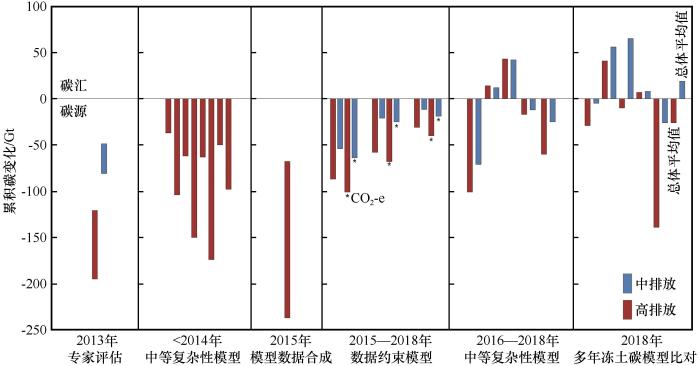
... SROCC评估指出,在高排放情景(RCP8.5或类似情况)下,预计到2100年,气候变暖将导致北半球多年冻土碳损失较大,其最大值为240 PgC,平均值为(92±17) PgC[31 ] .到2100年,在RCP2.6和RCP4.5情景下预估的多年冻土碳反馈分别为20~58 PgC-CO2 和28~92 PgC-CO2 [61 ] .AR6基于SROCC中发表的研究[61 ,66 -70 ] ,估计全球气温每上升1 ℃,多年冻土区CO2 平均排放量为18(3.1~41) PgC.到2100年,在不同气候情景下评估CH4 的排放速率,预计全球气温每上升1 ℃北半球多年冻土区CH4 的平均排放量所产生的温室气体效应相当于2.8(0.7~7.3) PgC.报告指出在2100年以后,模型结果(表1 )表明,在高排放情景下,2100—2300年多年冻土碳反馈幅度显著增强[61 ,71 ] .然而,多年冻土碳反馈与气候变暖是否大致呈线性关系[67 ] ,还是以更大[71 -72 ] 或更小[20 ] 的速率变化还存在不确定性.目前,在给定的全球变暖水平下,多年冻土碳库是否具有单一的突变阈值尚不清楚[73 ] . ...
... Model estimates of CO
2 and CH
4 emissions in the Arctic permafrost region
Table 1 项目 2100年 2100—2300年 参考文献 RCP4.5 RCP8.5 RCP2.6 RCP4.5 RCP8.5 CO2 排放量/PgC — — 20~40 — 115~172 [61 ] — 50~250 81~642 14~54 — [71 ,74 ] CH4 排放量/Tg CH4 538~2 356 836~2 614 — 2 000~6 100 2 800~7 400 [61 ] 4 100 5 300 — 10 000 16 000 [20 ]
综上所述,在全球变暖的背景下,陆地多年冻土退化将导致碳排放(高信度).然而,由于已发表的多年冻土相关数据范围较大,其驱动因素和关系模型的知识和表述不完整,因此对多年冻土气候反馈的时间、幅度和线性度的可信度较低.预计到2100年,气温每升高1 ℃北半球多年冻土区CO2 和CH4 的排放量分别为18(3.1~41) PgC和2.8(0.7~7.3) PgC. ...
Changes in active-layer thickness and near-surface permafrost between 2002 and 2012 in alpine ecosystems, Qinghai-Xizang (Tibet) Plateau, China
1
2015
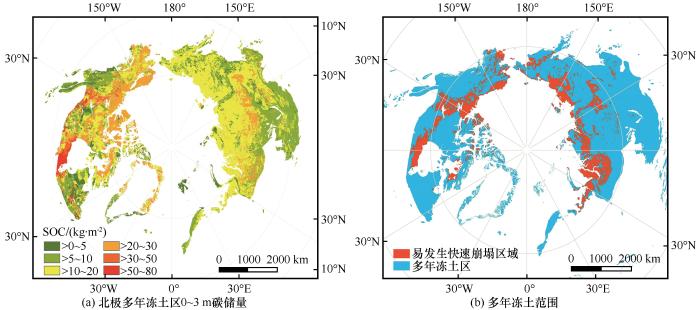
... 目前,多年冻土退化现象广泛存在,利用气候模型预测发现,在中到高强度的全球变暖(升温2~4 ℃)情景下,北极地区许多浅层(深度小于3 m)的多年冻土将会融化,从而导致多年冻土厚度和范围的减少(图2 ).近几十年来,研究发现青藏高原多年冻土区的年平均地温和活动层厚度均有所增加[21 ] ,表明多年冻土正在退化.此外,预计到2100年,在RCP2.6和RCP8.5情景下,青藏高原的多年冻土面积也将大幅减少(减少22%~64%)[22 ] .AR6指出,21世纪多年冻土区温室气体的释放量存在很大的不确定性,其中以CO2 形式可以排放数百至数千亿吨的碳,而CH4 排放量可高达约100 TgCH4 ·a-1 (中等信度).这些温室气体排放将增加大气中CO2 和CH4 的含量,然而根据多年冻土生态系统模型的预测,虽然在未来气候情景下多年冻土退化会促进气候变暖,但这还并不足以使全球气温达到“失控变暖”的情况. ...
Simulated responses of permafrost distribution to climate change on the Qinghai-Tibet Plateau
1
2017
... 目前,多年冻土退化现象广泛存在,利用气候模型预测发现,在中到高强度的全球变暖(升温2~4 ℃)情景下,北极地区许多浅层(深度小于3 m)的多年冻土将会融化,从而导致多年冻土厚度和范围的减少(图2 ).近几十年来,研究发现青藏高原多年冻土区的年平均地温和活动层厚度均有所增加[21 ] ,表明多年冻土正在退化.此外,预计到2100年,在RCP2.6和RCP8.5情景下,青藏高原的多年冻土面积也将大幅减少(减少22%~64%)[22 ] .AR6指出,21世纪多年冻土区温室气体的释放量存在很大的不确定性,其中以CO2 形式可以排放数百至数千亿吨的碳,而CH4 排放量可高达约100 TgCH4 ·a-1 (中等信度).这些温室气体排放将增加大气中CO2 和CH4 的含量,然而根据多年冻土生态系统模型的预测,虽然在未来气候情景下多年冻土退化会促进气候变暖,但这还并不足以使全球气温达到“失控变暖”的情况. ...
A database and synthesis of northern peatland soil properties and Holocene carbon and nitrogen accumulation
1
2014
... 从过去几百年至上千年以来,多年冻土区一直是一个重要的碳汇(高信度)[23 -24 ] ,但目前部分多年冻土区已成为CO2 源(高信度).AR6中的研究通过对多年冻土快速退化区的生态系统呼吸[25 ] 、多年冻土融化影响的河流中溶解性有机碳[26 -27 ] 以及热融湖塘产生的CH4 [28 ] 进行14 C年代测定,发现人为活动造成的气候变暖导致了多年冻土中老碳的分解,从而增加了多年冻土区中的碳排放. ...
Extensive loss of past permafrost carbon but a net accumulation into present-day soils
1
2018
... 从过去几百年至上千年以来,多年冻土区一直是一个重要的碳汇(高信度)[23 -24 ] ,但目前部分多年冻土区已成为CO2 源(高信度).AR6中的研究通过对多年冻土快速退化区的生态系统呼吸[25 ] 、多年冻土融化影响的河流中溶解性有机碳[26 -27 ] 以及热融湖塘产生的CH4 [28 ] 进行14 C年代测定,发现人为活动造成的气候变暖导致了多年冻土中老碳的分解,从而增加了多年冻土区中的碳排放. ...
Thawing permafrost increases old soil and autotrophic respiration in tundra: partitioning ecosystem respiration using δ 13 C and ?14 C
1
2013
... 从过去几百年至上千年以来,多年冻土区一直是一个重要的碳汇(高信度)[23 -24 ] ,但目前部分多年冻土区已成为CO2 源(高信度).AR6中的研究通过对多年冻土快速退化区的生态系统呼吸[25 ] 、多年冻土融化影响的河流中溶解性有机碳[26 -27 ] 以及热融湖塘产生的CH4 [28 ] 进行14 C年代测定,发现人为活动造成的气候变暖导致了多年冻土中老碳的分解,从而增加了多年冻土区中的碳排放. ...
Reviews and syntheses: effects of permafrost thaw on Arctic aquatic ecosystems
1
2015
... 从过去几百年至上千年以来,多年冻土区一直是一个重要的碳汇(高信度)[23 -24 ] ,但目前部分多年冻土区已成为CO2 源(高信度).AR6中的研究通过对多年冻土快速退化区的生态系统呼吸[25 ] 、多年冻土融化影响的河流中溶解性有机碳[26 -27 ] 以及热融湖塘产生的CH4 [28 ] 进行14 C年代测定,发现人为活动造成的气候变暖导致了多年冻土中老碳的分解,从而增加了多年冻土区中的碳排放. ...
Rivers across the Siberian Arctic unearth the patterns of carbon release from thawing permafrost
1
2019
... 从过去几百年至上千年以来,多年冻土区一直是一个重要的碳汇(高信度)[23 -24 ] ,但目前部分多年冻土区已成为CO2 源(高信度).AR6中的研究通过对多年冻土快速退化区的生态系统呼吸[25 ] 、多年冻土融化影响的河流中溶解性有机碳[26 -27 ] 以及热融湖塘产生的CH4 [28 ] 进行14 C年代测定,发现人为活动造成的气候变暖导致了多年冻土中老碳的分解,从而增加了多年冻土区中的碳排放. ...
Methane emissions proportional to permafrost carbon thawed in Arctic lakes since the 1950s
3
2016
... 从过去几百年至上千年以来,多年冻土区一直是一个重要的碳汇(高信度)[23 -24 ] ,但目前部分多年冻土区已成为CO2 源(高信度).AR6中的研究通过对多年冻土快速退化区的生态系统呼吸[25 ] 、多年冻土融化影响的河流中溶解性有机碳[26 -27 ] 以及热融湖塘产生的CH4 [28 ] 进行14 C年代测定,发现人为活动造成的气候变暖导致了多年冻土中老碳的分解,从而增加了多年冻土区中的碳排放. ...
... AR6指出,北半球多年冻土区CH4 排放对全球甲烷收支也有贡献,但关于这些排放是否因多年冻土融化而增加的证据是“混杂”的,还未得出统一的结论.SROCC报告也表明在北半球多年冻土区,不同来源(非多年冻土融化过程,包括湖泊面积变化、冰盖覆盖的地质源及北冰洋浅层大陆架)的CH4 排放数据的可信度较低[28 ,40 -41 ] .例如,观测结果表明,过去50年北极区域湖泊面积变化导致CH4 的增加速率为1.6~5 Tg CH4 ·a-1[28 ] .浅层海底CH4 的排放量也具有很大的不确定性,其估算范围较大(3~17 Tg CH4 ·a-1[42 -43 ] ),而且缺乏可以推断任何变化的基线. ...
... -1[28 ].浅层海底CH4 的排放量也具有很大的不确定性,其估算范围较大(3~17 Tg CH4 ·a-1[42 -43 ] ),而且缺乏可以推断任何变化的基线. ...
No significant increase in long‐term CH4 emissions on North Slope of Alaska despite significant increase in air temperature
2
2016
... 众多的证据表明多年冻土碳损失呈增加趋势,但由于空间异质性高、季节性周期强及难以进行全年持续监测等因素,很难通过增加站点和生态系统级别的监测来整体评估多年冻土区的净碳收支.SROCC的评估表明北半球多年冻土区生态系统在夏季表现为碳汇,而冬季碳损失显著(高信度).例如,从单个站点的长期观测来看,阿拉斯加巴罗地区初冬期间CO2 排放量在数十年来呈现小幅增加[29 -31 ] ;而且,Natali等[32 ] 通过对目前已有冬季通量的实地观测资料的综合分析表明,环北极多年冻土区在非生长季有大量的碳损失.秋冬季节生态系统呼吸速率增加是生态系统模型预测和自上而下(大气反演)多年冻土退化在大尺度上的一个关键特征[33 ] .Commane等[34 ] 研究通过推测阿拉斯加苔原带(1.6×10⁶ km2 )的多年的净二氧化碳源,再将其按比例扩展到北半球多年冻土区(17.8×10⁶ km2 ),发现该区域的净碳损失相当于0.3 PgC·a-1 (低信度)[31 ] .然而,有关冬季生态系统碳排放的观测站点较少、记录时间尺度太短,对其未来变化趋势还具有很大的不确定性. ...
... 全球和区域尺度上开展的大气测量和反演模型结果显示,过去30年北半球多年冻土区年平均CH4 排放量没有呈现明显的变化趋势[38 ,44 -45 ] .例如,尽管气温显著升高,但阿拉斯加地区通过大气测量的结果表明,该区域的CH4 排放量没有明显的年际变化趋势[29 ] .此外,大气反演和生物圈模型结果显示,2000—2016年期间高纬度湿地地区CH4 排放无明显趋势[44 -47 ] ,但由于湿地范围存在较大的不确定性,且监测数据有限,因此这些模型的结果可信度较低.SROCC报告也指出由于在空间和时间尺度上CH4 通量的变化范围较大,一直未得到充分监测,并且利用自上而下(大气反演)和自下而上(通过通量观测和基于过程的模型)方法计算的CH4 收支状况一直存在不一致性.例如,通过地面观测资料扩展计算的CH4 排放量通常高于大规模大气反演推断出的排放量[48 ] .强有力的证据表明,过去几十年来一些地区的CH4 排放源有所增加(中等信度),但在北半球多年冻土区,几十年来未发现CH4 通量明显的变化趋势,鉴于目前监测和模拟系统的分辨率较低且观测数据有限,该结果为低信度. ...
Increased wintertime CO2 loss as a result of sustained tundra warming
2016
Chapter 3, 2019: polar regions
3
2019
... 众多的证据表明多年冻土碳损失呈增加趋势,但由于空间异质性高、季节性周期强及难以进行全年持续监测等因素,很难通过增加站点和生态系统级别的监测来整体评估多年冻土区的净碳收支.SROCC的评估表明北半球多年冻土区生态系统在夏季表现为碳汇,而冬季碳损失显著(高信度).例如,从单个站点的长期观测来看,阿拉斯加巴罗地区初冬期间CO2 排放量在数十年来呈现小幅增加[29 -31 ] ;而且,Natali等[32 ] 通过对目前已有冬季通量的实地观测资料的综合分析表明,环北极多年冻土区在非生长季有大量的碳损失.秋冬季节生态系统呼吸速率增加是生态系统模型预测和自上而下(大气反演)多年冻土退化在大尺度上的一个关键特征[33 ] .Commane等[34 ] 研究通过推测阿拉斯加苔原带(1.6×10⁶ km2 )的多年的净二氧化碳源,再将其按比例扩展到北半球多年冻土区(17.8×10⁶ km2 ),发现该区域的净碳损失相当于0.3 PgC·a-1 (低信度)[31 ] .然而,有关冬季生态系统碳排放的观测站点较少、记录时间尺度太短,对其未来变化趋势还具有很大的不确定性. ...
... [31 ].然而,有关冬季生态系统碳排放的观测站点较少、记录时间尺度太短,对其未来变化趋势还具有很大的不确定性. ...
... SROCC评估指出,在高排放情景(RCP8.5或类似情况)下,预计到2100年,气候变暖将导致北半球多年冻土碳损失较大,其最大值为240 PgC,平均值为(92±17) PgC[31 ] .到2100年,在RCP2.6和RCP4.5情景下预估的多年冻土碳反馈分别为20~58 PgC-CO2 和28~92 PgC-CO2 [61 ] .AR6基于SROCC中发表的研究[61 ,66 -70 ] ,估计全球气温每上升1 ℃,多年冻土区CO2 平均排放量为18(3.1~41) PgC.到2100年,在不同气候情景下评估CH4 的排放速率,预计全球气温每上升1 ℃北半球多年冻土区CH4 的平均排放量所产生的温室气体效应相当于2.8(0.7~7.3) PgC.报告指出在2100年以后,模型结果(表1 )表明,在高排放情景下,2100—2300年多年冻土碳反馈幅度显著增强[61 ,71 ] .然而,多年冻土碳反馈与气候变暖是否大致呈线性关系[67 ] ,还是以更大[71 -72 ] 或更小[20 ] 的速率变化还存在不确定性.目前,在给定的全球变暖水平下,多年冻土碳库是否具有单一的突变阈值尚不清楚[73 ] . ...
Large loss of CO2 in winter observed across the northern permafrost region
1
2019
... 众多的证据表明多年冻土碳损失呈增加趋势,但由于空间异质性高、季节性周期强及难以进行全年持续监测等因素,很难通过增加站点和生态系统级别的监测来整体评估多年冻土区的净碳收支.SROCC的评估表明北半球多年冻土区生态系统在夏季表现为碳汇,而冬季碳损失显著(高信度).例如,从单个站点的长期观测来看,阿拉斯加巴罗地区初冬期间CO2 排放量在数十年来呈现小幅增加[29 -31 ] ;而且,Natali等[32 ] 通过对目前已有冬季通量的实地观测资料的综合分析表明,环北极多年冻土区在非生长季有大量的碳损失.秋冬季节生态系统呼吸速率增加是生态系统模型预测和自上而下(大气反演)多年冻土退化在大尺度上的一个关键特征[33 ] .Commane等[34 ] 研究通过推测阿拉斯加苔原带(1.6×10⁶ km2 )的多年的净二氧化碳源,再将其按比例扩展到北半球多年冻土区(17.8×10⁶ km2 ),发现该区域的净碳损失相当于0.3 PgC·a-1 (低信度)[31 ] .然而,有关冬季生态系统碳排放的观测站点较少、记录时间尺度太短,对其未来变化趋势还具有很大的不确定性. ...
Detecting the permafrost carbon feedback: talik formation and increased cold-season respiration as precursors to sink-to-source transitions
1
2018
... 众多的证据表明多年冻土碳损失呈增加趋势,但由于空间异质性高、季节性周期强及难以进行全年持续监测等因素,很难通过增加站点和生态系统级别的监测来整体评估多年冻土区的净碳收支.SROCC的评估表明北半球多年冻土区生态系统在夏季表现为碳汇,而冬季碳损失显著(高信度).例如,从单个站点的长期观测来看,阿拉斯加巴罗地区初冬期间CO2 排放量在数十年来呈现小幅增加[29 -31 ] ;而且,Natali等[32 ] 通过对目前已有冬季通量的实地观测资料的综合分析表明,环北极多年冻土区在非生长季有大量的碳损失.秋冬季节生态系统呼吸速率增加是生态系统模型预测和自上而下(大气反演)多年冻土退化在大尺度上的一个关键特征[33 ] .Commane等[34 ] 研究通过推测阿拉斯加苔原带(1.6×10⁶ km2 )的多年的净二氧化碳源,再将其按比例扩展到北半球多年冻土区(17.8×10⁶ km2 ),发现该区域的净碳损失相当于0.3 PgC·a-1 (低信度)[31 ] .然而,有关冬季生态系统碳排放的观测站点较少、记录时间尺度太短,对其未来变化趋势还具有很大的不确定性. ...
Carbon dioxide sources from Alaska driven by increasing early winter respiration from Arctic tundra
1
2017
... 众多的证据表明多年冻土碳损失呈增加趋势,但由于空间异质性高、季节性周期强及难以进行全年持续监测等因素,很难通过增加站点和生态系统级别的监测来整体评估多年冻土区的净碳收支.SROCC的评估表明北半球多年冻土区生态系统在夏季表现为碳汇,而冬季碳损失显著(高信度).例如,从单个站点的长期观测来看,阿拉斯加巴罗地区初冬期间CO2 排放量在数十年来呈现小幅增加[29 -31 ] ;而且,Natali等[32 ] 通过对目前已有冬季通量的实地观测资料的综合分析表明,环北极多年冻土区在非生长季有大量的碳损失.秋冬季节生态系统呼吸速率增加是生态系统模型预测和自上而下(大气反演)多年冻土退化在大尺度上的一个关键特征[33 ] .Commane等[34 ] 研究通过推测阿拉斯加苔原带(1.6×10⁶ km2 )的多年的净二氧化碳源,再将其按比例扩展到北半球多年冻土区(17.8×10⁶ km2 ),发现该区域的净碳损失相当于0.3 PgC·a-1 (低信度)[31 ] .然而,有关冬季生态系统碳排放的观测站点较少、记录时间尺度太短,对其未来变化趋势还具有很大的不确定性. ...
Enhanced seasonal exchange of CO2 by northern ecosystems since 1960
1
2013
... 自AR5以来,通过增加CO2 季节周期循环的监测,AR6中发现了北半球高纬度地区碳循环更为活跃的证据.然而,碳循环在当地来源的相对作用与中纬度地区的影响相比,很难从个别站点的观测结果扩展到整个生态系统,使得难以通过这些观测从而推断北极生态系统碳循环的变化[35 -38 ] .例如,大气反演模型对北半球高纬度地区CO2 通量的估计结果显示,该区域生态系统夏季对CO2 的吸收量较高,导致了CO2 浓度的季节性幅度增加,但年CO2 总通量没有显著变化趋势,这与过去10年(2004—2013年)西伯利亚雅库茨克通量塔对CO2 通量的估算结果相一致[37 ,39 ] . ...
Enhanced seasonal CO2 exchange caused by amplified plant productivity in northern ecosystems
2016
Reconciliation of top-down and bottom-up CO2 fluxes in Siberian larch forest
1
2017
... 自AR5以来,通过增加CO2 季节周期循环的监测,AR6中发现了北半球高纬度地区碳循环更为活跃的证据.然而,碳循环在当地来源的相对作用与中纬度地区的影响相比,很难从个别站点的观测结果扩展到整个生态系统,使得难以通过这些观测从而推断北极生态系统碳循环的变化[35 -38 ] .例如,大气反演模型对北半球高纬度地区CO2 通量的估计结果显示,该区域生态系统夏季对CO2 的吸收量较高,导致了CO2 浓度的季节性幅度增加,但年CO2 总通量没有显著变化趋势,这与过去10年(2004—2013年)西伯利亚雅库茨克通量塔对CO2 通量的估算结果相一致[37 ,39 ] . ...
The Arctic carbon cycle and its response to changing climate
2
2021
... 自AR5以来,通过增加CO2 季节周期循环的监测,AR6中发现了北半球高纬度地区碳循环更为活跃的证据.然而,碳循环在当地来源的相对作用与中纬度地区的影响相比,很难从个别站点的观测结果扩展到整个生态系统,使得难以通过这些观测从而推断北极生态系统碳循环的变化[35 -38 ] .例如,大气反演模型对北半球高纬度地区CO2 通量的估计结果显示,该区域生态系统夏季对CO2 的吸收量较高,导致了CO2 浓度的季节性幅度增加,但年CO2 总通量没有显著变化趋势,这与过去10年(2004—2013年)西伯利亚雅库茨克通量塔对CO2 通量的估算结果相一致[37 ,39 ] . ...
... 全球和区域尺度上开展的大气测量和反演模型结果显示,过去30年北半球多年冻土区年平均CH4 排放量没有呈现明显的变化趋势[38 ,44 -45 ] .例如,尽管气温显著升高,但阿拉斯加地区通过大气测量的结果表明,该区域的CH4 排放量没有明显的年际变化趋势[29 ] .此外,大气反演和生物圈模型结果显示,2000—2016年期间高纬度湿地地区CH4 排放无明显趋势[44 -47 ] ,但由于湿地范围存在较大的不确定性,且监测数据有限,因此这些模型的结果可信度较低.SROCC报告也指出由于在空间和时间尺度上CH4 通量的变化范围较大,一直未得到充分监测,并且利用自上而下(大气反演)和自下而上(通过通量观测和基于过程的模型)方法计算的CH4 收支状况一直存在不一致性.例如,通过地面观测资料扩展计算的CH4 排放量通常高于大规模大气反演推断出的排放量[48 ] .强有力的证据表明,过去几十年来一些地区的CH4 排放源有所增加(中等信度),但在北半球多年冻土区,几十年来未发现CH4 通量明显的变化趋势,鉴于目前监测和模拟系统的分辨率较低且观测数据有限,该结果为低信度. ...
Increasing summer net CO2 uptake in high northern ecosystems inferred from atmospheric inversions and comparisons to remote-sensing NDVI
1
2016
... 自AR5以来,通过增加CO2 季节周期循环的监测,AR6中发现了北半球高纬度地区碳循环更为活跃的证据.然而,碳循环在当地来源的相对作用与中纬度地区的影响相比,很难从个别站点的观测结果扩展到整个生态系统,使得难以通过这些观测从而推断北极生态系统碳循环的变化[35 -38 ] .例如,大气反演模型对北半球高纬度地区CO2 通量的估计结果显示,该区域生态系统夏季对CO2 的吸收量较高,导致了CO2 浓度的季节性幅度增加,但年CO2 总通量没有显著变化趋势,这与过去10年(2004—2013年)西伯利亚雅库茨克通量塔对CO2 通量的估算结果相一致[37 ,39 ] . ...
Geologic methane seeps along boundaries of Arctic permafrost thaw and melting glaciers
1
2012
... AR6指出,北半球多年冻土区CH4 排放对全球甲烷收支也有贡献,但关于这些排放是否因多年冻土融化而增加的证据是“混杂”的,还未得出统一的结论.SROCC报告也表明在北半球多年冻土区,不同来源(非多年冻土融化过程,包括湖泊面积变化、冰盖覆盖的地质源及北冰洋浅层大陆架)的CH4 排放数据的可信度较低[28 ,40 -41 ] .例如,观测结果表明,过去50年北极区域湖泊面积变化导致CH4 的增加速率为1.6~5 Tg CH4 ·a-1[28 ] .浅层海底CH4 的排放量也具有很大的不确定性,其估算范围较大(3~17 Tg CH4 ·a-1[42 -43 ] ),而且缺乏可以推断任何变化的基线. ...
Strong geologic methane emissions from discontinuous terrestrial permafrost in the Mackenzie Delta, Canada
1
2017
... AR6指出,北半球多年冻土区CH4 排放对全球甲烷收支也有贡献,但关于这些排放是否因多年冻土融化而增加的证据是“混杂”的,还未得出统一的结论.SROCC报告也表明在北半球多年冻土区,不同来源(非多年冻土融化过程,包括湖泊面积变化、冰盖覆盖的地质源及北冰洋浅层大陆架)的CH4 排放数据的可信度较低[28 ,40 -41 ] .例如,观测结果表明,过去50年北极区域湖泊面积变化导致CH4 的增加速率为1.6~5 Tg CH4 ·a-1[28 ] .浅层海底CH4 的排放量也具有很大的不确定性,其估算范围较大(3~17 Tg CH4 ·a-1[42 -43 ] ),而且缺乏可以推断任何变化的基线. ...
Double‐counting challenges the accuracy of high‐latitude methane inventories
1
2016
... AR6指出,北半球多年冻土区CH4 排放对全球甲烷收支也有贡献,但关于这些排放是否因多年冻土融化而增加的证据是“混杂”的,还未得出统一的结论.SROCC报告也表明在北半球多年冻土区,不同来源(非多年冻土融化过程,包括湖泊面积变化、冰盖覆盖的地质源及北冰洋浅层大陆架)的CH4 排放数据的可信度较低[28 ,40 -41 ] .例如,观测结果表明,过去50年北极区域湖泊面积变化导致CH4 的增加速率为1.6~5 Tg CH4 ·a-1[28 ] .浅层海底CH4 的排放量也具有很大的不确定性,其估算范围较大(3~17 Tg CH4 ·a-1[42 -43 ] ),而且缺乏可以推断任何变化的基线. ...
Ebullition and storm-induced methane release from the East Siberian Arctic Shelf
1
2014
... AR6指出,北半球多年冻土区CH4 排放对全球甲烷收支也有贡献,但关于这些排放是否因多年冻土融化而增加的证据是“混杂”的,还未得出统一的结论.SROCC报告也表明在北半球多年冻土区,不同来源(非多年冻土融化过程,包括湖泊面积变化、冰盖覆盖的地质源及北冰洋浅层大陆架)的CH4 排放数据的可信度较低[28 ,40 -41 ] .例如,观测结果表明,过去50年北极区域湖泊面积变化导致CH4 的增加速率为1.6~5 Tg CH4 ·a-1[28 ] .浅层海底CH4 的排放量也具有很大的不确定性,其估算范围较大(3~17 Tg CH4 ·a-1[42 -43 ] ),而且缺乏可以推断任何变化的基线. ...
Increasing anthropogenic methane emissions arise equally from agricultural and fossil fuel sources
2
2020
... 全球和区域尺度上开展的大气测量和反演模型结果显示,过去30年北半球多年冻土区年平均CH4 排放量没有呈现明显的变化趋势[38 ,44 -45 ] .例如,尽管气温显著升高,但阿拉斯加地区通过大气测量的结果表明,该区域的CH4 排放量没有明显的年际变化趋势[29 ] .此外,大气反演和生物圈模型结果显示,2000—2016年期间高纬度湿地地区CH4 排放无明显趋势[44 -47 ] ,但由于湿地范围存在较大的不确定性,且监测数据有限,因此这些模型的结果可信度较低.SROCC报告也指出由于在空间和时间尺度上CH4 通量的变化范围较大,一直未得到充分监测,并且利用自上而下(大气反演)和自下而上(通过通量观测和基于过程的模型)方法计算的CH4 收支状况一直存在不一致性.例如,通过地面观测资料扩展计算的CH4 排放量通常高于大规模大气反演推断出的排放量[48 ] .强有力的证据表明,过去几十年来一些地区的CH4 排放源有所增加(中等信度),但在北半球多年冻土区,几十年来未发现CH4 通量明显的变化趋势,鉴于目前监测和模拟系统的分辨率较低且观测数据有限,该结果为低信度. ...
... [44 -47 ],但由于湿地范围存在较大的不确定性,且监测数据有限,因此这些模型的结果可信度较低.SROCC报告也指出由于在空间和时间尺度上CH4 通量的变化范围较大,一直未得到充分监测,并且利用自上而下(大气反演)和自下而上(通过通量观测和基于过程的模型)方法计算的CH4 收支状况一直存在不一致性.例如,通过地面观测资料扩展计算的CH4 排放量通常高于大规模大气反演推断出的排放量[48 ] .强有力的证据表明,过去几十年来一些地区的CH4 排放源有所增加(中等信度),但在北半球多年冻土区,几十年来未发现CH4 通量明显的变化趋势,鉴于目前监测和模拟系统的分辨率较低且观测数据有限,该结果为低信度. ...
The global methane budget 2000—2017
2
2020
... 全球和区域尺度上开展的大气测量和反演模型结果显示,过去30年北半球多年冻土区年平均CH4 排放量没有呈现明显的变化趋势[38 ,44 -45 ] .例如,尽管气温显著升高,但阿拉斯加地区通过大气测量的结果表明,该区域的CH4 排放量没有明显的年际变化趋势[29 ] .此外,大气反演和生物圈模型结果显示,2000—2016年期间高纬度湿地地区CH4 排放无明显趋势[44 -47 ] ,但由于湿地范围存在较大的不确定性,且监测数据有限,因此这些模型的结果可信度较低.SROCC报告也指出由于在空间和时间尺度上CH4 通量的变化范围较大,一直未得到充分监测,并且利用自上而下(大气反演)和自下而上(通过通量观测和基于过程的模型)方法计算的CH4 收支状况一直存在不一致性.例如,通过地面观测资料扩展计算的CH4 排放量通常高于大规模大气反演推断出的排放量[48 ] .强有力的证据表明,过去几十年来一些地区的CH4 排放源有所增加(中等信度),但在北半球多年冻土区,几十年来未发现CH4 通量明显的变化趋势,鉴于目前监测和模拟系统的分辨率较低且观测数据有限,该结果为低信度. ...
... 除了陆地部分以外,北极大陆架浅海沉积物中储存着部分碳,其在海底多年冻土层中以甲烷水合物的形式储存.若这些物质分解,就会释放出CH4 ,并随着气泡上升排放到地表.据估计,全球甲烷水合物储量为1 500~2 000 PgC[49 -50 ] ,其主要储存在海洋沉积物,北极(包括海底和陆架)多年冻土层及其下方的甲烷水合物中只储存了约20 PgC[51 ] .目前,陆架甲烷水合物中的CH4 排放量小于10 Tg CH4 ·a-1[45 ,52 ] .尽管存在极地放大效应,但研究表明[53 -55 ] ,末次冰期冰消期期间北极陆架甲烷水合物中整体CH4 的排放量较少,因此北极海底多年冻土中甲烷水合物大量释放CH4 的可能性很小[56 -58 ] .此外,甲烷水合物的不稳定性与较长的时间尺度相关[59 ] ,在未来的一个世纪中,海底多年冻土中只有小部分现有的甲烷水合物可能会被破坏.即使CH4 从海底水合物中释放出来,预计其大部分在到达大气之前会在海洋中被消耗和氧化成CO2 .此外,模型结果也表明,海底多年冻土中甲烷水合物融化释放到大气中的CH4 不足目前人类活动引起CH4 排放的2%.综上所述,在未来的几个世纪里,全球甲烷水合物中的CH4 排放不太可能使气候显著变暖. ...
Regional methane emission estimation based on observed atmospheric concentrations (2002—2012)
2016
Global wetland contribution to 2000—2012 atmospheric methane growth rate dynamics
1
2017
... 全球和区域尺度上开展的大气测量和反演模型结果显示,过去30年北半球多年冻土区年平均CH4 排放量没有呈现明显的变化趋势[38 ,44 -45 ] .例如,尽管气温显著升高,但阿拉斯加地区通过大气测量的结果表明,该区域的CH4 排放量没有明显的年际变化趋势[29 ] .此外,大气反演和生物圈模型结果显示,2000—2016年期间高纬度湿地地区CH4 排放无明显趋势[44 -47 ] ,但由于湿地范围存在较大的不确定性,且监测数据有限,因此这些模型的结果可信度较低.SROCC报告也指出由于在空间和时间尺度上CH4 通量的变化范围较大,一直未得到充分监测,并且利用自上而下(大气反演)和自下而上(通过通量观测和基于过程的模型)方法计算的CH4 收支状况一直存在不一致性.例如,通过地面观测资料扩展计算的CH4 排放量通常高于大规模大气反演推断出的排放量[48 ] .强有力的证据表明,过去几十年来一些地区的CH4 排放源有所增加(中等信度),但在北半球多年冻土区,几十年来未发现CH4 通量明显的变化趋势,鉴于目前监测和模拟系统的分辨率较低且观测数据有限,该结果为低信度. ...
Methane fluxes from the sea to the atmosphere across the Siberian shelf seas
1
2016
... 全球和区域尺度上开展的大气测量和反演模型结果显示,过去30年北半球多年冻土区年平均CH4 排放量没有呈现明显的变化趋势[38 ,44 -45 ] .例如,尽管气温显著升高,但阿拉斯加地区通过大气测量的结果表明,该区域的CH4 排放量没有明显的年际变化趋势[29 ] .此外,大气反演和生物圈模型结果显示,2000—2016年期间高纬度湿地地区CH4 排放无明显趋势[44 -47 ] ,但由于湿地范围存在较大的不确定性,且监测数据有限,因此这些模型的结果可信度较低.SROCC报告也指出由于在空间和时间尺度上CH4 通量的变化范围较大,一直未得到充分监测,并且利用自上而下(大气反演)和自下而上(通过通量观测和基于过程的模型)方法计算的CH4 收支状况一直存在不一致性.例如,通过地面观测资料扩展计算的CH4 排放量通常高于大规模大气反演推断出的排放量[48 ] .强有力的证据表明,过去几十年来一些地区的CH4 排放源有所增加(中等信度),但在北半球多年冻土区,几十年来未发现CH4 通量明显的变化趋势,鉴于目前监测和模拟系统的分辨率较低且观测数据有限,该结果为低信度. ...
Ocean methane hydrates as a slow tipping point in the global carbon cycle
1
2009
... 除了陆地部分以外,北极大陆架浅海沉积物中储存着部分碳,其在海底多年冻土层中以甲烷水合物的形式储存.若这些物质分解,就会释放出CH4 ,并随着气泡上升排放到地表.据估计,全球甲烷水合物储量为1 500~2 000 PgC[49 -50 ] ,其主要储存在海洋沉积物,北极(包括海底和陆架)多年冻土层及其下方的甲烷水合物中只储存了约20 PgC[51 ] .目前,陆架甲烷水合物中的CH4 排放量小于10 Tg CH4 ·a-1[45 ,52 ] .尽管存在极地放大效应,但研究表明[53 -55 ] ,末次冰期冰消期期间北极陆架甲烷水合物中整体CH4 的排放量较少,因此北极海底多年冻土中甲烷水合物大量释放CH4 的可能性很小[56 -58 ] .此外,甲烷水合物的不稳定性与较长的时间尺度相关[59 ] ,在未来的一个世纪中,海底多年冻土中只有小部分现有的甲烷水合物可能会被破坏.即使CH4 从海底水合物中释放出来,预计其大部分在到达大气之前会在海洋中被消耗和氧化成CO2 .此外,模型结果也表明,海底多年冻土中甲烷水合物融化释放到大气中的CH4 不足目前人类活动引起CH4 排放的2%.综上所述,在未来的几个世纪里,全球甲烷水合物中的CH4 排放不太可能使气候显著变暖. ...
The interaction of climate change and methane hydrates
1
2017
... 除了陆地部分以外,北极大陆架浅海沉积物中储存着部分碳,其在海底多年冻土层中以甲烷水合物的形式储存.若这些物质分解,就会释放出CH4 ,并随着气泡上升排放到地表.据估计,全球甲烷水合物储量为1 500~2 000 PgC[49 -50 ] ,其主要储存在海洋沉积物,北极(包括海底和陆架)多年冻土层及其下方的甲烷水合物中只储存了约20 PgC[51 ] .目前,陆架甲烷水合物中的CH4 排放量小于10 Tg CH4 ·a-1[45 ,52 ] .尽管存在极地放大效应,但研究表明[53 -55 ] ,末次冰期冰消期期间北极陆架甲烷水合物中整体CH4 的排放量较少,因此北极海底多年冻土中甲烷水合物大量释放CH4 的可能性很小[56 -58 ] .此外,甲烷水合物的不稳定性与较长的时间尺度相关[59 ] ,在未来的一个世纪中,海底多年冻土中只有小部分现有的甲烷水合物可能会被破坏.即使CH4 从海底水合物中释放出来,预计其大部分在到达大气之前会在海洋中被消耗和氧化成CO2 .此外,模型结果也表明,海底多年冻土中甲烷水合物融化释放到大气中的CH4 不足目前人类活动引起CH4 排放的2%.综上所述,在未来的几个世纪里,全球甲烷水合物中的CH4 排放不太可能使气候显著变暖. ...
Permafrost-associated gas hydrate: is it really approximately 1% of the global system?
1
2015
... 除了陆地部分以外,北极大陆架浅海沉积物中储存着部分碳,其在海底多年冻土层中以甲烷水合物的形式储存.若这些物质分解,就会释放出CH4 ,并随着气泡上升排放到地表.据估计,全球甲烷水合物储量为1 500~2 000 PgC[49 -50 ] ,其主要储存在海洋沉积物,北极(包括海底和陆架)多年冻土层及其下方的甲烷水合物中只储存了约20 PgC[51 ] .目前,陆架甲烷水合物中的CH4 排放量小于10 Tg CH4 ·a-1[45 ,52 ] .尽管存在极地放大效应,但研究表明[53 -55 ] ,末次冰期冰消期期间北极陆架甲烷水合物中整体CH4 的排放量较少,因此北极海底多年冻土中甲烷水合物大量释放CH4 的可能性很小[56 -58 ] .此外,甲烷水合物的不稳定性与较长的时间尺度相关[59 ] ,在未来的一个世纪中,海底多年冻土中只有小部分现有的甲烷水合物可能会被破坏.即使CH4 从海底水合物中释放出来,预计其大部分在到达大气之前会在海洋中被消耗和氧化成CO2 .此外,模型结果也表明,海底多年冻土中甲烷水合物融化释放到大气中的CH4 不足目前人类活动引起CH4 排放的2%.综上所述,在未来的几个世纪里,全球甲烷水合物中的CH4 排放不太可能使气候显著变暖. ...
Modeling the fate of methane hydrates under global warming
1
2015
... 除了陆地部分以外,北极大陆架浅海沉积物中储存着部分碳,其在海底多年冻土层中以甲烷水合物的形式储存.若这些物质分解,就会释放出CH4 ,并随着气泡上升排放到地表.据估计,全球甲烷水合物储量为1 500~2 000 PgC[49 -50 ] ,其主要储存在海洋沉积物,北极(包括海底和陆架)多年冻土层及其下方的甲烷水合物中只储存了约20 PgC[51 ] .目前,陆架甲烷水合物中的CH4 排放量小于10 Tg CH4 ·a-1[45 ,52 ] .尽管存在极地放大效应,但研究表明[53 -55 ] ,末次冰期冰消期期间北极陆架甲烷水合物中整体CH4 的排放量较少,因此北极海底多年冻土中甲烷水合物大量释放CH4 的可能性很小[56 -58 ] .此外,甲烷水合物的不稳定性与较长的时间尺度相关[59 ] ,在未来的一个世纪中,海底多年冻土中只有小部分现有的甲烷水合物可能会被破坏.即使CH4 从海底水合物中释放出来,预计其大部分在到达大气之前会在海洋中被消耗和氧化成CO2 .此外,模型结果也表明,海底多年冻土中甲烷水合物融化释放到大气中的CH4 不足目前人类活动引起CH4 排放的2%.综上所述,在未来的几个世纪里,全球甲烷水合物中的CH4 排放不太可能使气候显著变暖. ...
Glacial/interglacial wetland, biomass burning, and geologic methane emissions constrained by dual stable isotopic CH4 ice core records
1
2017
... 除了陆地部分以外,北极大陆架浅海沉积物中储存着部分碳,其在海底多年冻土层中以甲烷水合物的形式储存.若这些物质分解,就会释放出CH4 ,并随着气泡上升排放到地表.据估计,全球甲烷水合物储量为1 500~2 000 PgC[49 -50 ] ,其主要储存在海洋沉积物,北极(包括海底和陆架)多年冻土层及其下方的甲烷水合物中只储存了约20 PgC[51 ] .目前,陆架甲烷水合物中的CH4 排放量小于10 Tg CH4 ·a-1[45 ,52 ] .尽管存在极地放大效应,但研究表明[53 -55 ] ,末次冰期冰消期期间北极陆架甲烷水合物中整体CH4 的排放量较少,因此北极海底多年冻土中甲烷水合物大量释放CH4 的可能性很小[56 -58 ] .此外,甲烷水合物的不稳定性与较长的时间尺度相关[59 ] ,在未来的一个世纪中,海底多年冻土中只有小部分现有的甲烷水合物可能会被破坏.即使CH4 从海底水合物中释放出来,预计其大部分在到达大气之前会在海洋中被消耗和氧化成CO2 .此外,模型结果也表明,海底多年冻土中甲烷水合物融化释放到大气中的CH4 不足目前人类活动引起CH4 排放的2%.综上所述,在未来的几个世纪里,全球甲烷水合物中的CH4 排放不太可能使气候显著变暖. ...
Minimal geological methane emissions during the Younger Dryas-Preboreal abrupt warming event
2017
Old carbon reservoirs were not important in the deglacial methane budget
1
2020
... 除了陆地部分以外,北极大陆架浅海沉积物中储存着部分碳,其在海底多年冻土层中以甲烷水合物的形式储存.若这些物质分解,就会释放出CH4 ,并随着气泡上升排放到地表.据估计,全球甲烷水合物储量为1 500~2 000 PgC[49 -50 ] ,其主要储存在海洋沉积物,北极(包括海底和陆架)多年冻土层及其下方的甲烷水合物中只储存了约20 PgC[51 ] .目前,陆架甲烷水合物中的CH4 排放量小于10 Tg CH4 ·a-1[45 ,52 ] .尽管存在极地放大效应,但研究表明[53 -55 ] ,末次冰期冰消期期间北极陆架甲烷水合物中整体CH4 的排放量较少,因此北极海底多年冻土中甲烷水合物大量释放CH4 的可能性很小[56 -58 ] .此外,甲烷水合物的不稳定性与较长的时间尺度相关[59 ] ,在未来的一个世纪中,海底多年冻土中只有小部分现有的甲烷水合物可能会被破坏.即使CH4 从海底水合物中释放出来,预计其大部分在到达大气之前会在海洋中被消耗和氧化成CO2 .此外,模型结果也表明,海底多年冻土中甲烷水合物融化释放到大气中的CH4 不足目前人类活动引起CH4 排放的2%.综上所述,在未来的几个世纪里,全球甲烷水合物中的CH4 排放不太可能使气候显著变暖. ...
Mechanistic insights into a hydrate contribution to the Paleocene‐Eocene carbon cycle perturbation from coupled thermohydraulic simulations
1
2016
... 除了陆地部分以外,北极大陆架浅海沉积物中储存着部分碳,其在海底多年冻土层中以甲烷水合物的形式储存.若这些物质分解,就会释放出CH4 ,并随着气泡上升排放到地表.据估计,全球甲烷水合物储量为1 500~2 000 PgC[49 -50 ] ,其主要储存在海洋沉积物,北极(包括海底和陆架)多年冻土层及其下方的甲烷水合物中只储存了约20 PgC[51 ] .目前,陆架甲烷水合物中的CH4 排放量小于10 Tg CH4 ·a-1[45 ,52 ] .尽管存在极地放大效应,但研究表明[53 -55 ] ,末次冰期冰消期期间北极陆架甲烷水合物中整体CH4 的排放量较少,因此北极海底多年冻土中甲烷水合物大量释放CH4 的可能性很小[56 -58 ] .此外,甲烷水合物的不稳定性与较长的时间尺度相关[59 ] ,在未来的一个世纪中,海底多年冻土中只有小部分现有的甲烷水合物可能会被破坏.即使CH4 从海底水合物中释放出来,预计其大部分在到达大气之前会在海洋中被消耗和氧化成CO2 .此外,模型结果也表明,海底多年冻土中甲烷水合物融化释放到大气中的CH4 不足目前人类活动引起CH4 排放的2%.综上所述,在未来的几个世纪里,全球甲烷水合物中的CH4 排放不太可能使气候显著变暖. ...
The role of heat transfer time scale in the evolution of the subsea permafrost and associated methane hydrates stability zone during glacial cycles
2017
Uncertainty in temperature and sea level datasets for the Pleistocene glacial cycles: implications for thermal state of the subsea sediments
1
2020
... 除了陆地部分以外,北极大陆架浅海沉积物中储存着部分碳,其在海底多年冻土层中以甲烷水合物的形式储存.若这些物质分解,就会释放出CH4 ,并随着气泡上升排放到地表.据估计,全球甲烷水合物储量为1 500~2 000 PgC[49 -50 ] ,其主要储存在海洋沉积物,北极(包括海底和陆架)多年冻土层及其下方的甲烷水合物中只储存了约20 PgC[51 ] .目前,陆架甲烷水合物中的CH4 排放量小于10 Tg CH4 ·a-1[45 ,52 ] .尽管存在极地放大效应,但研究表明[53 -55 ] ,末次冰期冰消期期间北极陆架甲烷水合物中整体CH4 的排放量较少,因此北极海底多年冻土中甲烷水合物大量释放CH4 的可能性很小[56 -58 ] .此外,甲烷水合物的不稳定性与较长的时间尺度相关[59 ] ,在未来的一个世纪中,海底多年冻土中只有小部分现有的甲烷水合物可能会被破坏.即使CH4 从海底水合物中释放出来,预计其大部分在到达大气之前会在海洋中被消耗和氧化成CO2 .此外,模型结果也表明,海底多年冻土中甲烷水合物融化释放到大气中的CH4 不足目前人类活动引起CH4 排放的2%.综上所述,在未来的几个世纪里,全球甲烷水合物中的CH4 排放不太可能使气候显著变暖. ...
Sensitivity of the global submarine hydrate inventory to scenarios of future climate change
1
2013
... 除了陆地部分以外,北极大陆架浅海沉积物中储存着部分碳,其在海底多年冻土层中以甲烷水合物的形式储存.若这些物质分解,就会释放出CH4 ,并随着气泡上升排放到地表.据估计,全球甲烷水合物储量为1 500~2 000 PgC[49 -50 ] ,其主要储存在海洋沉积物,北极(包括海底和陆架)多年冻土层及其下方的甲烷水合物中只储存了约20 PgC[51 ] .目前,陆架甲烷水合物中的CH4 排放量小于10 Tg CH4 ·a-1[45 ,52 ] .尽管存在极地放大效应,但研究表明[53 -55 ] ,末次冰期冰消期期间北极陆架甲烷水合物中整体CH4 的排放量较少,因此北极海底多年冻土中甲烷水合物大量释放CH4 的可能性很小[56 -58 ] .此外,甲烷水合物的不稳定性与较长的时间尺度相关[59 ] ,在未来的一个世纪中,海底多年冻土中只有小部分现有的甲烷水合物可能会被破坏.即使CH4 从海底水合物中释放出来,预计其大部分在到达大气之前会在海洋中被消耗和氧化成CO2 .此外,模型结果也表明,海底多年冻土中甲烷水合物融化释放到大气中的CH4 不足目前人类活动引起CH4 排放的2%.综上所述,在未来的几个世纪里,全球甲烷水合物中的CH4 排放不太可能使气候显著变暖. ...
Circumpolar distribution and carbon storage of thermokarst landscapes
1
2016
... 多年冻土碳损失的过程可分为渐进式和突变式.渐进式过程包括活动层厚度的逐渐加深和活动层融化季的延长,其增加了溶解性有机碳的含量和滞留时间.快速崩塌(突变式)过程(热喀斯特)包括多边形景观中冰楔的融化、坡面崩塌、热融湖塘的扩张和排水等,这些过程主要发生在土壤碳含量非常高的地区[16 ,60 ] .快速崩塌过程可贡献多年冻土退化过程中总净碳排放量的一半,其余的归因于逐渐融化过程[20 ,61 ] .火灾发生的频率和严重程度的增加[62 ] 也会导致地表植被的移除和温室气体的突然排放,从而加速多年冻土的退化[63 ] .生态反馈可以减轻和放大碳损失:即土壤有机质在分解过程中会增加营养物质的释放,促进植被的生长,从而部分抵消土壤碳损失[64 ] ,但这一过程也会进一步加剧变暖的生物物理反馈[65 ] . ...
Observation-based modelling of permafrost carbon fluxes with accounting for deep carbon deposits and thermokarst activity
6
2015
... 多年冻土碳损失的过程可分为渐进式和突变式.渐进式过程包括活动层厚度的逐渐加深和活动层融化季的延长,其增加了溶解性有机碳的含量和滞留时间.快速崩塌(突变式)过程(热喀斯特)包括多边形景观中冰楔的融化、坡面崩塌、热融湖塘的扩张和排水等,这些过程主要发生在土壤碳含量非常高的地区[16 ,60 ] .快速崩塌过程可贡献多年冻土退化过程中总净碳排放量的一半,其余的归因于逐渐融化过程[20 ,61 ] .火灾发生的频率和严重程度的增加[62 ] 也会导致地表植被的移除和温室气体的突然排放,从而加速多年冻土的退化[63 ] .生态反馈可以减轻和放大碳损失:即土壤有机质在分解过程中会增加营养物质的释放,促进植被的生长,从而部分抵消土壤碳损失[64 ] ,但这一过程也会进一步加剧变暖的生物物理反馈[65 ] . ...
... SROCC评估指出,在高排放情景(RCP8.5或类似情况)下,预计到2100年,气候变暖将导致北半球多年冻土碳损失较大,其最大值为240 PgC,平均值为(92±17) PgC[31 ] .到2100年,在RCP2.6和RCP4.5情景下预估的多年冻土碳反馈分别为20~58 PgC-CO2 和28~92 PgC-CO2 [61 ] .AR6基于SROCC中发表的研究[61 ,66 -70 ] ,估计全球气温每上升1 ℃,多年冻土区CO2 平均排放量为18(3.1~41) PgC.到2100年,在不同气候情景下评估CH4 的排放速率,预计全球气温每上升1 ℃北半球多年冻土区CH4 的平均排放量所产生的温室气体效应相当于2.8(0.7~7.3) PgC.报告指出在2100年以后,模型结果(表1 )表明,在高排放情景下,2100—2300年多年冻土碳反馈幅度显著增强[61 ,71 ] .然而,多年冻土碳反馈与气候变暖是否大致呈线性关系[67 ] ,还是以更大[71 -72 ] 或更小[20 ] 的速率变化还存在不确定性.目前,在给定的全球变暖水平下,多年冻土碳库是否具有单一的突变阈值尚不清楚[73 ] . ...
... [61 ,66 -70 ],估计全球气温每上升1 ℃,多年冻土区CO2 平均排放量为18(3.1~41) PgC.到2100年,在不同气候情景下评估CH4 的排放速率,预计全球气温每上升1 ℃北半球多年冻土区CH4 的平均排放量所产生的温室气体效应相当于2.8(0.7~7.3) PgC.报告指出在2100年以后,模型结果(表1 )表明,在高排放情景下,2100—2300年多年冻土碳反馈幅度显著增强[61 ,71 ] .然而,多年冻土碳反馈与气候变暖是否大致呈线性关系[67 ] ,还是以更大[71 -72 ] 或更小[20 ] 的速率变化还存在不确定性.目前,在给定的全球变暖水平下,多年冻土碳库是否具有单一的突变阈值尚不清楚[73 ] . ...
... [61 ,71 ].然而,多年冻土碳反馈与气候变暖是否大致呈线性关系[67 ] ,还是以更大[71 -72 ] 或更小[20 ] 的速率变化还存在不确定性.目前,在给定的全球变暖水平下,多年冻土碳库是否具有单一的突变阈值尚不清楚[73 ] . ...
... Model estimates of CO
2 and CH
4 emissions in the Arctic permafrost region
Table 1 项目 2100年 2100—2300年 参考文献 RCP4.5 RCP8.5 RCP2.6 RCP4.5 RCP8.5 CO2 排放量/PgC — — 20~40 — 115~172 [61 ] — 50~250 81~642 14~54 — [71 ,74 ] CH4 排放量/Tg CH4 538~2 356 836~2 614 — 2 000~6 100 2 800~7 400 [61 ] 4 100 5 300 — 10 000 16 000 [20 ]
综上所述,在全球变暖的背景下,陆地多年冻土退化将导致碳排放(高信度).然而,由于已发表的多年冻土相关数据范围较大,其驱动因素和关系模型的知识和表述不完整,因此对多年冻土气候反馈的时间、幅度和线性度的可信度较低.预计到2100年,气温每升高1 ℃北半球多年冻土区CO2 和CH4 的排放量分别为18(3.1~41) PgC和2.8(0.7~7.3) PgC. ...
... [
61 ]
4 100 5 300 — 10 000 16 000 [20 ] 综上所述,在全球变暖的背景下,陆地多年冻土退化将导致碳排放(高信度).然而,由于已发表的多年冻土相关数据范围较大,其驱动因素和关系模型的知识和表述不完整,因此对多年冻土气候反馈的时间、幅度和线性度的可信度较低.预计到2100年,气温每升高1 ℃北半球多年冻土区CO2 和CH4 的排放量分别为18(3.1~41) PgC和2.8(0.7~7.3) PgC. ...
Tundra burning in Alaska: linkages to climatic change and sea ice retreat
1
2010
... 多年冻土碳损失的过程可分为渐进式和突变式.渐进式过程包括活动层厚度的逐渐加深和活动层融化季的延长,其增加了溶解性有机碳的含量和滞留时间.快速崩塌(突变式)过程(热喀斯特)包括多边形景观中冰楔的融化、坡面崩塌、热融湖塘的扩张和排水等,这些过程主要发生在土壤碳含量非常高的地区[16 ,60 ] .快速崩塌过程可贡献多年冻土退化过程中总净碳排放量的一半,其余的归因于逐渐融化过程[20 ,61 ] .火灾发生的频率和严重程度的增加[62 ] 也会导致地表植被的移除和温室气体的突然排放,从而加速多年冻土的退化[63 ] .生态反馈可以减轻和放大碳损失:即土壤有机质在分解过程中会增加营养物质的释放,促进植被的生长,从而部分抵消土壤碳损失[64 ] ,但这一过程也会进一步加剧变暖的生物物理反馈[65 ] . ...
Modeling the effects of fire severity and climate warming on active layer thickness and soil carbon storage of black spruce forests across the landscape in interior Alaska
1
2013
... 多年冻土碳损失的过程可分为渐进式和突变式.渐进式过程包括活动层厚度的逐渐加深和活动层融化季的延长,其增加了溶解性有机碳的含量和滞留时间.快速崩塌(突变式)过程(热喀斯特)包括多边形景观中冰楔的融化、坡面崩塌、热融湖塘的扩张和排水等,这些过程主要发生在土壤碳含量非常高的地区[16 ,60 ] .快速崩塌过程可贡献多年冻土退化过程中总净碳排放量的一半,其余的归因于逐渐融化过程[20 ,61 ] .火灾发生的频率和严重程度的增加[62 ] 也会导致地表植被的移除和温室气体的突然排放,从而加速多年冻土的退化[63 ] .生态反馈可以减轻和放大碳损失:即土壤有机质在分解过程中会增加营养物质的释放,促进植被的生长,从而部分抵消土壤碳损失[64 ] ,但这一过程也会进一步加剧变暖的生物物理反馈[65 ] . ...
Nitrogen availability increases in a tundra ecosystem during five years of experimental permafrost thaw
1
2016
... 多年冻土碳损失的过程可分为渐进式和突变式.渐进式过程包括活动层厚度的逐渐加深和活动层融化季的延长,其增加了溶解性有机碳的含量和滞留时间.快速崩塌(突变式)过程(热喀斯特)包括多边形景观中冰楔的融化、坡面崩塌、热融湖塘的扩张和排水等,这些过程主要发生在土壤碳含量非常高的地区[16 ,60 ] .快速崩塌过程可贡献多年冻土退化过程中总净碳排放量的一半,其余的归因于逐渐融化过程[20 ,61 ] .火灾发生的频率和严重程度的增加[62 ] 也会导致地表植被的移除和温室气体的突然排放,从而加速多年冻土的退化[63 ] .生态反馈可以减轻和放大碳损失:即土壤有机质在分解过程中会增加营养物质的释放,促进植被的生长,从而部分抵消土壤碳损失[64 ] ,但这一过程也会进一步加剧变暖的生物物理反馈[65 ] . ...
Shrub expansion in tundra ecosystems: dynamics, impacts and research priorities
1
2011
... 多年冻土碳损失的过程可分为渐进式和突变式.渐进式过程包括活动层厚度的逐渐加深和活动层融化季的延长,其增加了溶解性有机碳的含量和滞留时间.快速崩塌(突变式)过程(热喀斯特)包括多边形景观中冰楔的融化、坡面崩塌、热融湖塘的扩张和排水等,这些过程主要发生在土壤碳含量非常高的地区[16 ,60 ] .快速崩塌过程可贡献多年冻土退化过程中总净碳排放量的一半,其余的归因于逐渐融化过程[20 ,61 ] .火灾发生的频率和严重程度的增加[62 ] 也会导致地表植被的移除和温室气体的突然排放,从而加速多年冻土的退化[63 ] .生态反馈可以减轻和放大碳损失:即土壤有机质在分解过程中会增加营养物质的释放,促进植被的生长,从而部分抵消土壤碳损失[64 ] ,但这一过程也会进一步加剧变暖的生物物理反馈[65 ] . ...
The impact of the permafrost carbon feedback on global climate
1
2014
... SROCC评估指出,在高排放情景(RCP8.5或类似情况)下,预计到2100年,气候变暖将导致北半球多年冻土碳损失较大,其最大值为240 PgC,平均值为(92±17) PgC[31 ] .到2100年,在RCP2.6和RCP4.5情景下预估的多年冻土碳反馈分别为20~58 PgC-CO2 和28~92 PgC-CO2 [61 ] .AR6基于SROCC中发表的研究[61 ,66 -70 ] ,估计全球气温每上升1 ℃,多年冻土区CO2 平均排放量为18(3.1~41) PgC.到2100年,在不同气候情景下评估CH4 的排放速率,预计全球气温每上升1 ℃北半球多年冻土区CH4 的平均排放量所产生的温室气体效应相当于2.8(0.7~7.3) PgC.报告指出在2100年以后,模型结果(表1 )表明,在高排放情景下,2100—2300年多年冻土碳反馈幅度显著增强[61 ,71 ] .然而,多年冻土碳反馈与气候变暖是否大致呈线性关系[67 ] ,还是以更大[71 -72 ] 或更小[20 ] 的速率变化还存在不确定性.目前,在给定的全球变暖水平下,多年冻土碳库是否具有单一的突变阈值尚不清楚[73 ] . ...
A simplified, data-constrained approach to estimate the permafrost carbon-climate feedback
1
2015
... SROCC评估指出,在高排放情景(RCP8.5或类似情况)下,预计到2100年,气候变暖将导致北半球多年冻土碳损失较大,其最大值为240 PgC,平均值为(92±17) PgC[31 ] .到2100年,在RCP2.6和RCP4.5情景下预估的多年冻土碳反馈分别为20~58 PgC-CO2 和28~92 PgC-CO2 [61 ] .AR6基于SROCC中发表的研究[61 ,66 -70 ] ,估计全球气温每上升1 ℃,多年冻土区CO2 平均排放量为18(3.1~41) PgC.到2100年,在不同气候情景下评估CH4 的排放速率,预计全球气温每上升1 ℃北半球多年冻土区CH4 的平均排放量所产生的温室气体效应相当于2.8(0.7~7.3) PgC.报告指出在2100年以后,模型结果(表1 )表明,在高排放情景下,2100—2300年多年冻土碳反馈幅度显著增强[61 ,71 ] .然而,多年冻土碳反馈与气候变暖是否大致呈线性关系[67 ] ,还是以更大[71 -72 ] 或更小[20 ] 的速率变化还存在不确定性.目前,在给定的全球变暖水平下,多年冻土碳库是否具有单一的突变阈值尚不清楚[73 ] . ...
Enhancement of non‐CO2 radiative forcing via intensified carbon cycle feedbacks
2016
Path-dependent reductions in CO2 emission budgets caused by permafrost carbon release
2018
Future projection of greenhouse gas emissions due to permafrost degradation using a simple numerical scheme with a global land surface model
1
2020
... SROCC评估指出,在高排放情景(RCP8.5或类似情况)下,预计到2100年,气候变暖将导致北半球多年冻土碳损失较大,其最大值为240 PgC,平均值为(92±17) PgC[31 ] .到2100年,在RCP2.6和RCP4.5情景下预估的多年冻土碳反馈分别为20~58 PgC-CO2 和28~92 PgC-CO2 [61 ] .AR6基于SROCC中发表的研究[61 ,66 -70 ] ,估计全球气温每上升1 ℃,多年冻土区CO2 平均排放量为18(3.1~41) PgC.到2100年,在不同气候情景下评估CH4 的排放速率,预计全球气温每上升1 ℃北半球多年冻土区CH4 的平均排放量所产生的温室气体效应相当于2.8(0.7~7.3) PgC.报告指出在2100年以后,模型结果(表1 )表明,在高排放情景下,2100—2300年多年冻土碳反馈幅度显著增强[61 ,71 ] .然而,多年冻土碳反馈与气候变暖是否大致呈线性关系[67 ] ,还是以更大[71 -72 ] 或更小[20 ] 的速率变化还存在不确定性.目前,在给定的全球变暖水平下,多年冻土碳库是否具有单一的突变阈值尚不清楚[73 ] . ...
Dependence of the evolution of carbon dynamics in the northern permafrost region on the trajectory of climate change
3
2018
... SROCC评估指出,在高排放情景(RCP8.5或类似情况)下,预计到2100年,气候变暖将导致北半球多年冻土碳损失较大,其最大值为240 PgC,平均值为(92±17) PgC[31 ] .到2100年,在RCP2.6和RCP4.5情景下预估的多年冻土碳反馈分别为20~58 PgC-CO2 和28~92 PgC-CO2 [61 ] .AR6基于SROCC中发表的研究[61 ,66 -70 ] ,估计全球气温每上升1 ℃,多年冻土区CO2 平均排放量为18(3.1~41) PgC.到2100年,在不同气候情景下评估CH4 的排放速率,预计全球气温每上升1 ℃北半球多年冻土区CH4 的平均排放量所产生的温室气体效应相当于2.8(0.7~7.3) PgC.报告指出在2100年以后,模型结果(表1 )表明,在高排放情景下,2100—2300年多年冻土碳反馈幅度显著增强[61 ,71 ] .然而,多年冻土碳反馈与气候变暖是否大致呈线性关系[67 ] ,还是以更大[71 -72 ] 或更小[20 ] 的速率变化还存在不确定性.目前,在给定的全球变暖水平下,多年冻土碳库是否具有单一的突变阈值尚不清楚[73 ] . ...
... [71 -72 ]或更小[20 ] 的速率变化还存在不确定性.目前,在给定的全球变暖水平下,多年冻土碳库是否具有单一的突变阈值尚不清楚[73 ] . ...
... Model estimates of CO
2 and CH
4 emissions in the Arctic permafrost region
Table 1 项目 2100年 2100—2300年 参考文献 RCP4.5 RCP8.5 RCP2.6 RCP4.5 RCP8.5 CO2 排放量/PgC — — 20~40 — 115~172 [61 ] — 50~250 81~642 14~54 — [71 ,74 ] CH4 排放量/Tg CH4 538~2 356 836~2 614 — 2 000~6 100 2 800~7 400 [61 ] 4 100 5 300 — 10 000 16 000 [20 ]
综上所述,在全球变暖的背景下,陆地多年冻土退化将导致碳排放(高信度).然而,由于已发表的多年冻土相关数据范围较大,其驱动因素和关系模型的知识和表述不完整,因此对多年冻土气候反馈的时间、幅度和线性度的可信度较低.预计到2100年,气温每升高1 ℃北半球多年冻土区CO2 和CH4 的排放量分别为18(3.1~41) PgC和2.8(0.7~7.3) PgC. ...
Projecting the release of carbon from permafrost soils using a perturbed parameter ensemble modelling approach
1
2016
... SROCC评估指出,在高排放情景(RCP8.5或类似情况)下,预计到2100年,气候变暖将导致北半球多年冻土碳损失较大,其最大值为240 PgC,平均值为(92±17) PgC[31 ] .到2100年,在RCP2.6和RCP4.5情景下预估的多年冻土碳反馈分别为20~58 PgC-CO2 和28~92 PgC-CO2 [61 ] .AR6基于SROCC中发表的研究[61 ,66 -70 ] ,估计全球气温每上升1 ℃,多年冻土区CO2 平均排放量为18(3.1~41) PgC.到2100年,在不同气候情景下评估CH4 的排放速率,预计全球气温每上升1 ℃北半球多年冻土区CH4 的平均排放量所产生的温室气体效应相当于2.8(0.7~7.3) PgC.报告指出在2100年以后,模型结果(表1 )表明,在高排放情景下,2100—2300年多年冻土碳反馈幅度显著增强[61 ,71 ] .然而,多年冻土碳反馈与气候变暖是否大致呈线性关系[67 ] ,还是以更大[71 -72 ] 或更小[20 ] 的速率变化还存在不确定性.目前,在给定的全球变暖水平下,多年冻土碳库是否具有单一的突变阈值尚不清楚[73 ] . ...
Catalogue of abrupt shifts in Intergovernmental Panel on Climate Change climate models
1
2015
... SROCC评估指出,在高排放情景(RCP8.5或类似情况)下,预计到2100年,气候变暖将导致北半球多年冻土碳损失较大,其最大值为240 PgC,平均值为(92±17) PgC[31 ] .到2100年,在RCP2.6和RCP4.5情景下预估的多年冻土碳反馈分别为20~58 PgC-CO2 和28~92 PgC-CO2 [61 ] .AR6基于SROCC中发表的研究[61 ,66 -70 ] ,估计全球气温每上升1 ℃,多年冻土区CO2 平均排放量为18(3.1~41) PgC.到2100年,在不同气候情景下评估CH4 的排放速率,预计全球气温每上升1 ℃北半球多年冻土区CH4 的平均排放量所产生的温室气体效应相当于2.8(0.7~7.3) PgC.报告指出在2100年以后,模型结果(表1 )表明,在高排放情景下,2100—2300年多年冻土碳反馈幅度显著增强[61 ,71 ] .然而,多年冻土碳反馈与气候变暖是否大致呈线性关系[67 ] ,还是以更大[71 -72 ] 或更小[20 ] 的速率变化还存在不确定性.目前,在给定的全球变暖水平下,多年冻土碳库是否具有单一的突变阈值尚不清楚[73 ] . ...
AR5 synthesis report: climate change 2014
1
2014
... Model estimates of CO
2 and CH
4 emissions in the Arctic permafrost region
Table 1 项目 2100年 2100—2300年 参考文献 RCP4.5 RCP8.5 RCP2.6 RCP4.5 RCP8.5 CO2 排放量/PgC — — 20~40 — 115~172 [61 ] — 50~250 81~642 14~54 — [71 ,74 ] CH4 排放量/Tg CH4 538~2 356 836~2 614 — 2 000~6 100 2 800~7 400 [61 ] 4 100 5 300 — 10 000 16 000 [20 ]
综上所述,在全球变暖的背景下,陆地多年冻土退化将导致碳排放(高信度).然而,由于已发表的多年冻土相关数据范围较大,其驱动因素和关系模型的知识和表述不完整,因此对多年冻土气候反馈的时间、幅度和线性度的可信度较低.预计到2100年,气温每升高1 ℃北半球多年冻土区CO2 和CH4 的排放量分别为18(3.1~41) PgC和2.8(0.7~7.3) PgC. ...






 甘公网安备 62010202000676号


