1
2004
... 冻土是指含有冰的岩土体.当温度低于冰点时,岩土体内部分液态水凝结成冰,形成一个由土颗粒、空气、孔隙冰和未冻水组成的四组分系统(four-component system)[1 ] .我国多年冻土和季节冻土面积分别占陆地国土面积的21.5%和53.5%[2 ] .随着国家经济及科技的快速发展,基础设施建设需求不断增加,尤其是在西部地区,冻土工程建设规模和数量均在不断增加[3 ] .近年来,随着青藏铁路、青藏公路[4 ] 等一批冻土区工程的建设,诸多与冻土有关的工程问题也随之而来,如路基的冻胀隆起、路基的融沉与泛浆、交通隧洞的冻裂与挂冰、房屋基础的冻胀与融沉等,这为冻土区工程建设带来了严峻的挑战[5 ] .土体冻结之后,部分水转化成冰,使得土体体积膨胀,同时强度提高;当温度升高,冰融化成水,土体体积减小,同时土体强度降低.冻土在冻融循环作用下可能发生较大变形甚至破坏,对建筑物及工程设施的正常使用和安全造成严重危害. ...
Review and prospect of frozen soil mechanics research in China for 50 years
1
2012
... 冻土是指含有冰的岩土体.当温度低于冰点时,岩土体内部分液态水凝结成冰,形成一个由土颗粒、空气、孔隙冰和未冻水组成的四组分系统(four-component system)[1 ] .我国多年冻土和季节冻土面积分别占陆地国土面积的21.5%和53.5%[2 ] .随着国家经济及科技的快速发展,基础设施建设需求不断增加,尤其是在西部地区,冻土工程建设规模和数量均在不断增加[3 ] .近年来,随着青藏铁路、青藏公路[4 ] 等一批冻土区工程的建设,诸多与冻土有关的工程问题也随之而来,如路基的冻胀隆起、路基的融沉与泛浆、交通隧洞的冻裂与挂冰、房屋基础的冻胀与融沉等,这为冻土区工程建设带来了严峻的挑战[5 ] .土体冻结之后,部分水转化成冰,使得土体体积膨胀,同时强度提高;当温度升高,冰融化成水,土体体积减小,同时土体强度降低.冻土在冻融循环作用下可能发生较大变形甚至破坏,对建筑物及工程设施的正常使用和安全造成严重危害. ...
中国冻土力学研究50 a回顾与展望
1
2012
... 冻土是指含有冰的岩土体.当温度低于冰点时,岩土体内部分液态水凝结成冰,形成一个由土颗粒、空气、孔隙冰和未冻水组成的四组分系统(four-component system)[1 ] .我国多年冻土和季节冻土面积分别占陆地国土面积的21.5%和53.5%[2 ] .随着国家经济及科技的快速发展,基础设施建设需求不断增加,尤其是在西部地区,冻土工程建设规模和数量均在不断增加[3 ] .近年来,随着青藏铁路、青藏公路[4 ] 等一批冻土区工程的建设,诸多与冻土有关的工程问题也随之而来,如路基的冻胀隆起、路基的融沉与泛浆、交通隧洞的冻裂与挂冰、房屋基础的冻胀与融沉等,这为冻土区工程建设带来了严峻的挑战[5 ] .土体冻结之后,部分水转化成冰,使得土体体积膨胀,同时强度提高;当温度升高,冰融化成水,土体体积减小,同时土体强度降低.冻土在冻融循环作用下可能发生较大变形甚至破坏,对建筑物及工程设施的正常使用和安全造成严重危害. ...
Geotechnical engineering problems in water conservancy and civil construction in western China
1
2019
... 冻土是指含有冰的岩土体.当温度低于冰点时,岩土体内部分液态水凝结成冰,形成一个由土颗粒、空气、孔隙冰和未冻水组成的四组分系统(four-component system)[1 ] .我国多年冻土和季节冻土面积分别占陆地国土面积的21.5%和53.5%[2 ] .随着国家经济及科技的快速发展,基础设施建设需求不断增加,尤其是在西部地区,冻土工程建设规模和数量均在不断增加[3 ] .近年来,随着青藏铁路、青藏公路[4 ] 等一批冻土区工程的建设,诸多与冻土有关的工程问题也随之而来,如路基的冻胀隆起、路基的融沉与泛浆、交通隧洞的冻裂与挂冰、房屋基础的冻胀与融沉等,这为冻土区工程建设带来了严峻的挑战[5 ] .土体冻结之后,部分水转化成冰,使得土体体积膨胀,同时强度提高;当温度升高,冰融化成水,土体体积减小,同时土体强度降低.冻土在冻融循环作用下可能发生较大变形甚至破坏,对建筑物及工程设施的正常使用和安全造成严重危害. ...
西部水利与土木建设中的岩土工程问题
1
2019
... 冻土是指含有冰的岩土体.当温度低于冰点时,岩土体内部分液态水凝结成冰,形成一个由土颗粒、空气、孔隙冰和未冻水组成的四组分系统(four-component system)[1 ] .我国多年冻土和季节冻土面积分别占陆地国土面积的21.5%和53.5%[2 ] .随着国家经济及科技的快速发展,基础设施建设需求不断增加,尤其是在西部地区,冻土工程建设规模和数量均在不断增加[3 ] .近年来,随着青藏铁路、青藏公路[4 ] 等一批冻土区工程的建设,诸多与冻土有关的工程问题也随之而来,如路基的冻胀隆起、路基的融沉与泛浆、交通隧洞的冻裂与挂冰、房屋基础的冻胀与融沉等,这为冻土区工程建设带来了严峻的挑战[5 ] .土体冻结之后,部分水转化成冰,使得土体体积膨胀,同时强度提高;当温度升高,冰融化成水,土体体积减小,同时土体强度降低.冻土在冻融循环作用下可能发生较大变形甚至破坏,对建筑物及工程设施的正常使用和安全造成严重危害. ...
Progress of applied research of physical geography and living environment in China from 1949 to 2019
1
2020
... 冻土是指含有冰的岩土体.当温度低于冰点时,岩土体内部分液态水凝结成冰,形成一个由土颗粒、空气、孔隙冰和未冻水组成的四组分系统(four-component system)[1 ] .我国多年冻土和季节冻土面积分别占陆地国土面积的21.5%和53.5%[2 ] .随着国家经济及科技的快速发展,基础设施建设需求不断增加,尤其是在西部地区,冻土工程建设规模和数量均在不断增加[3 ] .近年来,随着青藏铁路、青藏公路[4 ] 等一批冻土区工程的建设,诸多与冻土有关的工程问题也随之而来,如路基的冻胀隆起、路基的融沉与泛浆、交通隧洞的冻裂与挂冰、房屋基础的冻胀与融沉等,这为冻土区工程建设带来了严峻的挑战[5 ] .土体冻结之后,部分水转化成冰,使得土体体积膨胀,同时强度提高;当温度升高,冰融化成水,土体体积减小,同时土体强度降低.冻土在冻融循环作用下可能发生较大变形甚至破坏,对建筑物及工程设施的正常使用和安全造成严重危害. ...
1949—2019年中国自然地理学与生存环境应用研究进展
1
2020
... 冻土是指含有冰的岩土体.当温度低于冰点时,岩土体内部分液态水凝结成冰,形成一个由土颗粒、空气、孔隙冰和未冻水组成的四组分系统(four-component system)[1 ] .我国多年冻土和季节冻土面积分别占陆地国土面积的21.5%和53.5%[2 ] .随着国家经济及科技的快速发展,基础设施建设需求不断增加,尤其是在西部地区,冻土工程建设规模和数量均在不断增加[3 ] .近年来,随着青藏铁路、青藏公路[4 ] 等一批冻土区工程的建设,诸多与冻土有关的工程问题也随之而来,如路基的冻胀隆起、路基的融沉与泛浆、交通隧洞的冻裂与挂冰、房屋基础的冻胀与融沉等,这为冻土区工程建设带来了严峻的挑战[5 ] .土体冻结之后,部分水转化成冰,使得土体体积膨胀,同时强度提高;当温度升高,冰融化成水,土体体积减小,同时土体强度降低.冻土在冻融循环作用下可能发生较大变形甚至破坏,对建筑物及工程设施的正常使用和安全造成严重危害. ...
Linearity engineering in permafrost areas
1
2001
... 冻土是指含有冰的岩土体.当温度低于冰点时,岩土体内部分液态水凝结成冰,形成一个由土颗粒、空气、孔隙冰和未冻水组成的四组分系统(four-component system)[1 ] .我国多年冻土和季节冻土面积分别占陆地国土面积的21.5%和53.5%[2 ] .随着国家经济及科技的快速发展,基础设施建设需求不断增加,尤其是在西部地区,冻土工程建设规模和数量均在不断增加[3 ] .近年来,随着青藏铁路、青藏公路[4 ] 等一批冻土区工程的建设,诸多与冻土有关的工程问题也随之而来,如路基的冻胀隆起、路基的融沉与泛浆、交通隧洞的冻裂与挂冰、房屋基础的冻胀与融沉等,这为冻土区工程建设带来了严峻的挑战[5 ] .土体冻结之后,部分水转化成冰,使得土体体积膨胀,同时强度提高;当温度升高,冰融化成水,土体体积减小,同时土体强度降低.冻土在冻融循环作用下可能发生较大变形甚至破坏,对建筑物及工程设施的正常使用和安全造成严重危害. ...
多年冻土地区线性工程建设
1
2001
... 冻土是指含有冰的岩土体.当温度低于冰点时,岩土体内部分液态水凝结成冰,形成一个由土颗粒、空气、孔隙冰和未冻水组成的四组分系统(four-component system)[1 ] .我国多年冻土和季节冻土面积分别占陆地国土面积的21.5%和53.5%[2 ] .随着国家经济及科技的快速发展,基础设施建设需求不断增加,尤其是在西部地区,冻土工程建设规模和数量均在不断增加[3 ] .近年来,随着青藏铁路、青藏公路[4 ] 等一批冻土区工程的建设,诸多与冻土有关的工程问题也随之而来,如路基的冻胀隆起、路基的融沉与泛浆、交通隧洞的冻裂与挂冰、房屋基础的冻胀与融沉等,这为冻土区工程建设带来了严峻的挑战[5 ] .土体冻结之后,部分水转化成冰,使得土体体积膨胀,同时强度提高;当温度升高,冰融化成水,土体体积减小,同时土体强度降低.冻土在冻融循环作用下可能发生较大变形甚至破坏,对建筑物及工程设施的正常使用和安全造成严重危害. ...
Research on surface frost heave and thaw settlement law and optimization of frozen wall thickness in shallow tunnel using freezing method
2
2020
... 人工冻结法是利用人工制冷技术使土体降温、水分冻结形成冻土体,达到加固和稳定土体的作用[6 ] .冻结法具有隔水性好、强度高、适应性强和绿色环保等优点,因而在地铁隧道工程中被广泛应用.然而,土体在冻结和融化过程中可能产生较大变形,导致明显的冻胀、融沉现象,对地表建筑物及地下隧道结构均产生不利影响[7 ] .为降低冻结法施工风险和成本,需要优化冻结壁厚度,将冻胀、融沉变形控制在允许范围[6 ] 内,并保证冻土的强度在地下工程施工中得到维持,以保证工程安全进行.此外,采用冻结法施工时,冻结的地层作为临时支护,因此必须保证有足够的强度. ...
... [6 ]内,并保证冻土的强度在地下工程施工中得到维持,以保证工程安全进行.此外,采用冻结法施工时,冻结的地层作为临时支护,因此必须保证有足够的强度. ...
浅埋隧道冻结法施工地表冻胀融沉规律及冻结壁厚度优化研究
2
2020
... 人工冻结法是利用人工制冷技术使土体降温、水分冻结形成冻土体,达到加固和稳定土体的作用[6 ] .冻结法具有隔水性好、强度高、适应性强和绿色环保等优点,因而在地铁隧道工程中被广泛应用.然而,土体在冻结和融化过程中可能产生较大变形,导致明显的冻胀、融沉现象,对地表建筑物及地下隧道结构均产生不利影响[7 ] .为降低冻结法施工风险和成本,需要优化冻结壁厚度,将冻胀、融沉变形控制在允许范围[6 ] 内,并保证冻土的强度在地下工程施工中得到维持,以保证工程安全进行.此外,采用冻结法施工时,冻结的地层作为临时支护,因此必须保证有足够的强度. ...
... [6 ]内,并保证冻土的强度在地下工程施工中得到维持,以保证工程安全进行.此外,采用冻结法施工时,冻结的地层作为临时支护,因此必须保证有足够的强度. ...
Research progress and prospect of frost heave in construction of metro tunnel freezing method
1
2019
... 人工冻结法是利用人工制冷技术使土体降温、水分冻结形成冻土体,达到加固和稳定土体的作用[6 ] .冻结法具有隔水性好、强度高、适应性强和绿色环保等优点,因而在地铁隧道工程中被广泛应用.然而,土体在冻结和融化过程中可能产生较大变形,导致明显的冻胀、融沉现象,对地表建筑物及地下隧道结构均产生不利影响[7 ] .为降低冻结法施工风险和成本,需要优化冻结壁厚度,将冻胀、融沉变形控制在允许范围[6 ] 内,并保证冻土的强度在地下工程施工中得到维持,以保证工程安全进行.此外,采用冻结法施工时,冻结的地层作为临时支护,因此必须保证有足够的强度. ...
地铁隧道冻结法施工地层冻胀的研究进展及展望
1
2019
... 人工冻结法是利用人工制冷技术使土体降温、水分冻结形成冻土体,达到加固和稳定土体的作用[6 ] .冻结法具有隔水性好、强度高、适应性强和绿色环保等优点,因而在地铁隧道工程中被广泛应用.然而,土体在冻结和融化过程中可能产生较大变形,导致明显的冻胀、融沉现象,对地表建筑物及地下隧道结构均产生不利影响[7 ] .为降低冻结法施工风险和成本,需要优化冻结壁厚度,将冻胀、融沉变形控制在允许范围[6 ] 内,并保证冻土的强度在地下工程施工中得到维持,以保证工程安全进行.此外,采用冻结法施工时,冻结的地层作为临时支护,因此必须保证有足够的强度. ...
A state of the art for strength of frozen soils
1
2016
... 在冻土工程中,无论是天然冻土还是重塑土,都必须具有足够的强度以保证工程的安全稳定.冻土的强度主要由冰的强度、土骨架强度以及“冰-未冻水-土颗粒”三者之间的相互作用决定,其中冰的强度及土颗粒对冰的强化在冻土强度中发挥着重要作用[8 -9 ] .由于孔隙冰的强度、分布和含量会随着温度、含水量、孔隙结构等因素的变化而发生显著变化,因此冻土的强度特性较融土复杂. ...
冻土强度研究的现状分析
1
2016
... 在冻土工程中,无论是天然冻土还是重塑土,都必须具有足够的强度以保证工程的安全稳定.冻土的强度主要由冰的强度、土骨架强度以及“冰-未冻水-土颗粒”三者之间的相互作用决定,其中冰的强度及土颗粒对冰的强化在冻土强度中发挥着重要作用[8 -9 ] .由于孔隙冰的强度、分布和含量会随着温度、含水量、孔隙结构等因素的变化而发生显著变化,因此冻土的强度特性较融土复杂. ...
Mechanisms of strength for frozen sand
1
1983
... 在冻土工程中,无论是天然冻土还是重塑土,都必须具有足够的强度以保证工程的安全稳定.冻土的强度主要由冰的强度、土骨架强度以及“冰-未冻水-土颗粒”三者之间的相互作用决定,其中冰的强度及土颗粒对冰的强化在冻土强度中发挥着重要作用[8 -9 ] .由于孔隙冰的强度、分布和含量会随着温度、含水量、孔隙结构等因素的变化而发生显著变化,因此冻土的强度特性较融土复杂. ...
Studies on strength ang creep behaviour of frozen soils in China
2
1988
... 众多学者的研究成果表明,影响冻土抗压强度的因素包括温度、土性、含水量、干密度、含盐量、深度、密度、养护时间、加载速率、破坏时间、围压等[10 -15 ] .其中,影响冻土抗压强度的主要因素是温度、含水量和应变速率. ...
... 冻土相较于融土具有抗拉强度,可采用直接拉伸试验和间接拉伸试验两种方法进行测试,其中径向压裂法(巴西劈裂试验)是最常用的间接试验方法,也有学者研究了使用径向压裂法[65 ] 及轴向压裂法[66 ] 测定冻土抗拉强度的可行性.大量研究表明,冻土抗拉强度受加载方式、试样高径比、加载速率、温度、干密度和含水量等因素的影响[67 ] ,其中温度、含水量和变形速率是主要的影响因素[10 ] . ...
我国冻土强度与蠕变研究
2
1988
... 众多学者的研究成果表明,影响冻土抗压强度的因素包括温度、土性、含水量、干密度、含盐量、深度、密度、养护时间、加载速率、破坏时间、围压等[10 -15 ] .其中,影响冻土抗压强度的主要因素是温度、含水量和应变速率. ...
... 冻土相较于融土具有抗拉强度,可采用直接拉伸试验和间接拉伸试验两种方法进行测试,其中径向压裂法(巴西劈裂试验)是最常用的间接试验方法,也有学者研究了使用径向压裂法[65 ] 及轴向压裂法[66 ] 测定冻土抗拉强度的可行性.大量研究表明,冻土抗拉强度受加载方式、试样高径比、加载速率、温度、干密度和含水量等因素的影响[67 ] ,其中温度、含水量和变形速率是主要的影响因素[10 ] . ...
Compressive strength of saturated frozen silt under constant strain rate
2
2003
... Nonlinear relationship between compressive strength of frozen soil and temperature
Table 2 温度范围/℃ 试验类型 土质 关系 类型 文献来源 -15~-5 UCS 黏土 指数 李怀鑫等[51 ] (2020) -20~-5 TCS 砂卵石 指数 张晋勋等[52 ] (2018) -30~-10 UCS 粉质黏土 指数 尹珍珍等[13 ] (2012) -15~-5 UCS 黏土 指数 陈士威等[53 ] (2019) -10~-0.5 UCS 粉砂 幂函数 朱元林[45 ] (1986) -15~-2 UCS 粉土 幂函数 张俊兵等[11 ] (2003) -15~-2 UCS 饱和砂土 幂函数 Parameswaran[54 ] (1980)
注: UCS表示单轴抗压强度试验,TCS表示三轴抗压强度试验. ...
... 冻土的瞬时强度一般大于其长期强度,冻土单轴抗压强度随应变速率的增加而增大[45 ,57 ] .有学者提出,冻土抗压强度与应变速率的关系可用幂函数表达[11 -13 ,16 ,31 ,63 -64 ] .李洪升等[22 ] 、Li等[23 ] 建立了考虑应变速率及温度因素的强度模型,即 ...
饱和冻结粉土在常应变率下的单轴抗压强度
2
2003
... Nonlinear relationship between compressive strength of frozen soil and temperature
Table 2 温度范围/℃ 试验类型 土质 关系 类型 文献来源 -15~-5 UCS 黏土 指数 李怀鑫等[51 ] (2020) -20~-5 TCS 砂卵石 指数 张晋勋等[52 ] (2018) -30~-10 UCS 粉质黏土 指数 尹珍珍等[13 ] (2012) -15~-5 UCS 黏土 指数 陈士威等[53 ] (2019) -10~-0.5 UCS 粉砂 幂函数 朱元林[45 ] (1986) -15~-2 UCS 粉土 幂函数 张俊兵等[11 ] (2003) -15~-2 UCS 饱和砂土 幂函数 Parameswaran[54 ] (1980)
注: UCS表示单轴抗压强度试验,TCS表示三轴抗压强度试验. ...
... 冻土的瞬时强度一般大于其长期强度,冻土单轴抗压强度随应变速率的增加而增大[45 ,57 ] .有学者提出,冻土抗压强度与应变速率的关系可用幂函数表达[11 -13 ,16 ,31 ,63 -64 ] .李洪升等[22 ] 、Li等[23 ] 建立了考虑应变速率及温度因素的强度模型,即 ...
Uniaxial compressive strength of saturated frozen clay at constant strain rate
0
2004
饱和冻结黏土在常应变率下的单轴抗压强度
0
2004
Uniaxial unconfined compressive strength test on artificially frozen clay in Shanghai
5
2012
... 除线性模型外,也有一些学者采用非线性模型描述冻土抗压强度与温度之间的关系,如表2 所示.例如,尹珍珍等[13 ] 对冻结黏土进行了单轴抗压强度试验,图3 为试验结果,表明可用如下指数函数描述冻土强度与温度的关系. ...
... Nonlinear relationship between compressive strength of frozen soil and temperature
Table 2 温度范围/℃ 试验类型 土质 关系 类型 文献来源 -15~-5 UCS 黏土 指数 李怀鑫等[51 ] (2020) -20~-5 TCS 砂卵石 指数 张晋勋等[52 ] (2018) -30~-10 UCS 粉质黏土 指数 尹珍珍等[13 ] (2012) -15~-5 UCS 黏土 指数 陈士威等[53 ] (2019) -10~-0.5 UCS 粉砂 幂函数 朱元林[45 ] (1986) -15~-2 UCS 粉土 幂函数 张俊兵等[11 ] (2003) -15~-2 UCS 饱和砂土 幂函数 Parameswaran[54 ] (1980)
注: UCS表示单轴抗压强度试验,TCS表示三轴抗压强度试验. ...
...
注: UCS表示单轴抗压强度试验,TCS表示三轴抗压强度试验.
图3 冻土抗压强度与温度指数关系曲线<sup>[<xref ref-type="bibr" rid="R13">13</xref>]</sup> Exponential relationship between compressive strength of frozen soil and temperature<sup>[<xref ref-type="bibr" rid="R13">13</xref>]</sup> Fig. 3 ![]()
而朱元林[45 ] 在-10~-0.5 ℃温度范围内,对冻结粉砂进行了单轴抗压强度试验,研究表明冻土抗压强度随温度的变化可以用幂函数关系表示,即 ...
... [
13 ]
Fig. 3 ![]()
而朱元林[45 ] 在-10~-0.5 ℃温度范围内,对冻结粉砂进行了单轴抗压强度试验,研究表明冻土抗压强度随温度的变化可以用幂函数关系表示,即 ...
... 冻土的瞬时强度一般大于其长期强度,冻土单轴抗压强度随应变速率的增加而增大[45 ,57 ] .有学者提出,冻土抗压强度与应变速率的关系可用幂函数表达[11 -13 ,16 ,31 ,63 -64 ] .李洪升等[22 ] 、Li等[23 ] 建立了考虑应变速率及温度因素的强度模型,即 ...
上海人工冻结黏土单轴无侧限抗压强度试验研究
5
2012
... 除线性模型外,也有一些学者采用非线性模型描述冻土抗压强度与温度之间的关系,如表2 所示.例如,尹珍珍等[13 ] 对冻结黏土进行了单轴抗压强度试验,图3 为试验结果,表明可用如下指数函数描述冻土强度与温度的关系. ...
... Nonlinear relationship between compressive strength of frozen soil and temperature
Table 2 温度范围/℃ 试验类型 土质 关系 类型 文献来源 -15~-5 UCS 黏土 指数 李怀鑫等[51 ] (2020) -20~-5 TCS 砂卵石 指数 张晋勋等[52 ] (2018) -30~-10 UCS 粉质黏土 指数 尹珍珍等[13 ] (2012) -15~-5 UCS 黏土 指数 陈士威等[53 ] (2019) -10~-0.5 UCS 粉砂 幂函数 朱元林[45 ] (1986) -15~-2 UCS 粉土 幂函数 张俊兵等[11 ] (2003) -15~-2 UCS 饱和砂土 幂函数 Parameswaran[54 ] (1980)
注: UCS表示单轴抗压强度试验,TCS表示三轴抗压强度试验. ...
...
注: UCS表示单轴抗压强度试验,TCS表示三轴抗压强度试验.
图3 冻土抗压强度与温度指数关系曲线<sup>[<xref ref-type="bibr" rid="R13">13</xref>]</sup> Exponential relationship between compressive strength of frozen soil and temperature<sup>[<xref ref-type="bibr" rid="R13">13</xref>]</sup> Fig. 3 ![]()
而朱元林[45 ] 在-10~-0.5 ℃温度范围内,对冻结粉砂进行了单轴抗压强度试验,研究表明冻土抗压强度随温度的变化可以用幂函数关系表示,即 ...
... [
13 ]
Fig. 3 ![]()
而朱元林[45 ] 在-10~-0.5 ℃温度范围内,对冻结粉砂进行了单轴抗压强度试验,研究表明冻土抗压强度随温度的变化可以用幂函数关系表示,即 ...
... 冻土的瞬时强度一般大于其长期强度,冻土单轴抗压强度随应变速率的增加而增大[45 ,57 ] .有学者提出,冻土抗压强度与应变速率的关系可用幂函数表达[11 -13 ,16 ,31 ,63 -64 ] .李洪升等[22 ] 、Li等[23 ] 建立了考虑应变速率及温度因素的强度模型,即 ...
The permafrost intensity analysis of influencing factors
0
2013
Significance and interaction of factors on mechanical properties of frozen soil
1
2012
... 众多学者的研究成果表明,影响冻土抗压强度的因素包括温度、土性、含水量、干密度、含盐量、深度、密度、养护时间、加载速率、破坏时间、围压等[10 -15 ] .其中,影响冻土抗压强度的主要因素是温度、含水量和应变速率. ...
冻土力学性质影响因素的显著性和交互作用研究
1
2012
... 众多学者的研究成果表明,影响冻土抗压强度的因素包括温度、土性、含水量、干密度、含盐量、深度、密度、养护时间、加载速率、破坏时间、围压等[10 -15 ] .其中,影响冻土抗压强度的主要因素是温度、含水量和应变速率. ...
Experimental study on compressive and tensile strength of artificially frozen soft clay in Shanghai
5
2009
... 大量研究表明,在一定温度区间内,冻土单轴抗压强度随温度降低线性增大[16 -21 ] .部分具有此规律的研究见表1 .例如,李洪升等[22 ] 、Li等[23 ] 通过单轴抗压强度试验研究了-20~-5 ℃温度范围内的冻结粉质砂土的强度,其结果表明,在恒定应变速率条件下(如5.7×10⁻⁴ s-1 ),冻土抗压强度与温度之间呈线性关系.图1 展示了试验结果,温度与冻土抗压强度之间的关系可以用线性函数表示. ...
... Linear relationship between uniaxial compressive strength of frozen soil and temperature
Table 1 温度范围/℃ 试验类型 土质 文献来源 -15~-2 UCS 粉质黏土 于皓琳等[24 ] (2013) -20~-5 UCS 砂土 梁惠生等[25 ] (1980) -20~-10 UCS 黏土、粉砂 宋朝阳等[19 ] (2018) -15~-5 UCS 黏土 陈雨漫等[20 ] (2021) -10~-4 TCS 粉质黏土 孙义强等[26 ] (2021) -15~-5 TCS 砂土 马芹永等[21 ] (2022) -15~-5 UCS 黏土 陈雨漫等[27 ] (2021) -30~-5 UCS 黏土 刘宏等[28 ] (2009) -15~-2 UCS 黏土 樊良本等[17 ] (2000) -15~-5 UCS、TCS 软土 徐立等[29 ] (2011) -15~-2 UCS 粉质黏土、黏土 夹黏质粉土 陈有亮等[16 ] (2009) -20~-5 UCS 黏土 蔡正银等[30 ] (2015) -25~-10 UCS 粉质黏土 陈有亮等[31 ] (2012) -80~-10 UCS 黏土 汪恩良等[32 ] (2021) -15~-5 UCS 黏土、粉质黏土、粉土 江汪洋等[33 ] (2017) -5~-0.3 UCS 黏土 马小杰等[34 ] (2008) -2~-0.5 UCS 粉质砂土 杜海民等[35 ] (2014) -15~-5 UCS 粉土、粉砂、 粉质黏土 曹建忠等[36 ] (2017) -20~-5 UCS 饱和软土 陈有亮等[37 ] (2009) -15~0 TCS 西宁—果洛公路沿线冻土 刘亚等[38 ] (2018) -20~-5 UCS 轻粉质壤土 李洪升等[22 ] (1995) -6~-0.5 TCS 黏土 霍明等[39 ] (2010) -15~-2 UCS 盐渍砂土 牛江宇等[40 ] (2015) -6~-0.5 TCS 砂土 赖远明等[41 ] (2009) -10~-0.3 UCS 粉质黏土 杨成松等[42 ] (2006) -5~-2 TCS 粉质黏土 杨成松等[43 ] (2008) -7~-2 UCS 粉砂 Xu等[44 ] (2017)
注: UCS表示单轴抗压强度试验,TCS表示三轴抗压强度试验. ...
... 冻土的瞬时强度一般大于其长期强度,冻土单轴抗压强度随应变速率的增加而增大[45 ,57 ] .有学者提出,冻土抗压强度与应变速率的关系可用幂函数表达[11 -13 ,16 ,31 ,63 -64 ] .李洪升等[22 ] 、Li等[23 ] 建立了考虑应变速率及温度因素的强度模型,即 ...
... Relationship between tensile strength of frozen soil and temperature
Table 4 温度范围/℃ 试验类型 土质 关系类型 文献来源 -15~-2 TS 黏土 线性或指数 张勇敢等[67 ] (2021) -2~0.1 TS 粉质黏土、黏土 -2~-0.4 ℃范围内呈线性 胡坤等[71 ] (2017) -15~-2 TS 饱水黄土 线性 沈忠言等[65 ] (1994) -10~-2 TS 兰州黄土 线性 彭万巍[69 ] (1998) -15~-2 TS 兰州黄土 幂函数或线性 沈忠言等[66 ] (1995) -10~-1 TS 粉砂 幂函数 朱元林等[72 ] (1986) -10~-2 TS 饱水黄土 线性 沈忠言等[70 ] (1995) -10~-2 TS 粉质黏土 线性 陈有亮等[16 ] (2009) -15~-1 TS 路基土 线性 Shen等[73 ] (2022) -2~0 TS 黏土、粉质黏土 幂函数 Zhou等[74 ] (2015) -10~0 FPBT 粉土 幂函数 Azmatch等[75 ] (2010) -1.4~-0.3 FPBT 粉土 幂函数 Azmatch等[76 ] (2011)
注: TS表示抗拉强度试验,FPBT表示四点弯曲试验. ...
... 式中:σ f 为峰值应力;θ 为试验温度;V 为试验控制机速;B 0 、B 1 、B 2 、n 1 、n 2 为系数.而陈有亮等[16 ] 对粉质黏土的试验表明,冻土抗拉强度随加载速率增加均呈线性增加趋势. ...
上海人工冻结软黏土抗压抗拉强度试验研究
5
2009
... 大量研究表明,在一定温度区间内,冻土单轴抗压强度随温度降低线性增大[16 -21 ] .部分具有此规律的研究见表1 .例如,李洪升等[22 ] 、Li等[23 ] 通过单轴抗压强度试验研究了-20~-5 ℃温度范围内的冻结粉质砂土的强度,其结果表明,在恒定应变速率条件下(如5.7×10⁻⁴ s-1 ),冻土抗压强度与温度之间呈线性关系.图1 展示了试验结果,温度与冻土抗压强度之间的关系可以用线性函数表示. ...
... Linear relationship between uniaxial compressive strength of frozen soil and temperature
Table 1 温度范围/℃ 试验类型 土质 文献来源 -15~-2 UCS 粉质黏土 于皓琳等[24 ] (2013) -20~-5 UCS 砂土 梁惠生等[25 ] (1980) -20~-10 UCS 黏土、粉砂 宋朝阳等[19 ] (2018) -15~-5 UCS 黏土 陈雨漫等[20 ] (2021) -10~-4 TCS 粉质黏土 孙义强等[26 ] (2021) -15~-5 TCS 砂土 马芹永等[21 ] (2022) -15~-5 UCS 黏土 陈雨漫等[27 ] (2021) -30~-5 UCS 黏土 刘宏等[28 ] (2009) -15~-2 UCS 黏土 樊良本等[17 ] (2000) -15~-5 UCS、TCS 软土 徐立等[29 ] (2011) -15~-2 UCS 粉质黏土、黏土 夹黏质粉土 陈有亮等[16 ] (2009) -20~-5 UCS 黏土 蔡正银等[30 ] (2015) -25~-10 UCS 粉质黏土 陈有亮等[31 ] (2012) -80~-10 UCS 黏土 汪恩良等[32 ] (2021) -15~-5 UCS 黏土、粉质黏土、粉土 江汪洋等[33 ] (2017) -5~-0.3 UCS 黏土 马小杰等[34 ] (2008) -2~-0.5 UCS 粉质砂土 杜海民等[35 ] (2014) -15~-5 UCS 粉土、粉砂、 粉质黏土 曹建忠等[36 ] (2017) -20~-5 UCS 饱和软土 陈有亮等[37 ] (2009) -15~0 TCS 西宁—果洛公路沿线冻土 刘亚等[38 ] (2018) -20~-5 UCS 轻粉质壤土 李洪升等[22 ] (1995) -6~-0.5 TCS 黏土 霍明等[39 ] (2010) -15~-2 UCS 盐渍砂土 牛江宇等[40 ] (2015) -6~-0.5 TCS 砂土 赖远明等[41 ] (2009) -10~-0.3 UCS 粉质黏土 杨成松等[42 ] (2006) -5~-2 TCS 粉质黏土 杨成松等[43 ] (2008) -7~-2 UCS 粉砂 Xu等[44 ] (2017)
注: UCS表示单轴抗压强度试验,TCS表示三轴抗压强度试验. ...
... 冻土的瞬时强度一般大于其长期强度,冻土单轴抗压强度随应变速率的增加而增大[45 ,57 ] .有学者提出,冻土抗压强度与应变速率的关系可用幂函数表达[11 -13 ,16 ,31 ,63 -64 ] .李洪升等[22 ] 、Li等[23 ] 建立了考虑应变速率及温度因素的强度模型,即 ...
... Relationship between tensile strength of frozen soil and temperature
Table 4 温度范围/℃ 试验类型 土质 关系类型 文献来源 -15~-2 TS 黏土 线性或指数 张勇敢等[67 ] (2021) -2~0.1 TS 粉质黏土、黏土 -2~-0.4 ℃范围内呈线性 胡坤等[71 ] (2017) -15~-2 TS 饱水黄土 线性 沈忠言等[65 ] (1994) -10~-2 TS 兰州黄土 线性 彭万巍[69 ] (1998) -15~-2 TS 兰州黄土 幂函数或线性 沈忠言等[66 ] (1995) -10~-1 TS 粉砂 幂函数 朱元林等[72 ] (1986) -10~-2 TS 饱水黄土 线性 沈忠言等[70 ] (1995) -10~-2 TS 粉质黏土 线性 陈有亮等[16 ] (2009) -15~-1 TS 路基土 线性 Shen等[73 ] (2022) -2~0 TS 黏土、粉质黏土 幂函数 Zhou等[74 ] (2015) -10~0 FPBT 粉土 幂函数 Azmatch等[75 ] (2010) -1.4~-0.3 FPBT 粉土 幂函数 Azmatch等[76 ] (2011)
注: TS表示抗拉强度试验,FPBT表示四点弯曲试验. ...
... 式中:σ f 为峰值应力;θ 为试验温度;V 为试验控制机速;B 0 、B 1 、B 2 、n 1 、n 2 为系数.而陈有亮等[16 ] 对粉质黏土的试验表明,冻土抗拉强度随加载速率增加均呈线性增加趋势. ...
Uniaxial compressive strength characteristics of artificially frozen Hangzhou saturated soft soil
1
2000
... Linear relationship between uniaxial compressive strength of frozen soil and temperature
Table 1 温度范围/℃ 试验类型 土质 文献来源 -15~-2 UCS 粉质黏土 于皓琳等[24 ] (2013) -20~-5 UCS 砂土 梁惠生等[25 ] (1980) -20~-10 UCS 黏土、粉砂 宋朝阳等[19 ] (2018) -15~-5 UCS 黏土 陈雨漫等[20 ] (2021) -10~-4 TCS 粉质黏土 孙义强等[26 ] (2021) -15~-5 TCS 砂土 马芹永等[21 ] (2022) -15~-5 UCS 黏土 陈雨漫等[27 ] (2021) -30~-5 UCS 黏土 刘宏等[28 ] (2009) -15~-2 UCS 黏土 樊良本等[17 ] (2000) -15~-5 UCS、TCS 软土 徐立等[29 ] (2011) -15~-2 UCS 粉质黏土、黏土 夹黏质粉土 陈有亮等[16 ] (2009) -20~-5 UCS 黏土 蔡正银等[30 ] (2015) -25~-10 UCS 粉质黏土 陈有亮等[31 ] (2012) -80~-10 UCS 黏土 汪恩良等[32 ] (2021) -15~-5 UCS 黏土、粉质黏土、粉土 江汪洋等[33 ] (2017) -5~-0.3 UCS 黏土 马小杰等[34 ] (2008) -2~-0.5 UCS 粉质砂土 杜海民等[35 ] (2014) -15~-5 UCS 粉土、粉砂、 粉质黏土 曹建忠等[36 ] (2017) -20~-5 UCS 饱和软土 陈有亮等[37 ] (2009) -15~0 TCS 西宁—果洛公路沿线冻土 刘亚等[38 ] (2018) -20~-5 UCS 轻粉质壤土 李洪升等[22 ] (1995) -6~-0.5 TCS 黏土 霍明等[39 ] (2010) -15~-2 UCS 盐渍砂土 牛江宇等[40 ] (2015) -6~-0.5 TCS 砂土 赖远明等[41 ] (2009) -10~-0.3 UCS 粉质黏土 杨成松等[42 ] (2006) -5~-2 TCS 粉质黏土 杨成松等[43 ] (2008) -7~-2 UCS 粉砂 Xu等[44 ] (2017)
注: UCS表示单轴抗压强度试验,TCS表示三轴抗压强度试验. ...
人工冻结的杭州饱和软土的单轴抗压强度特性
1
2000
... Linear relationship between uniaxial compressive strength of frozen soil and temperature
Table 1 温度范围/℃ 试验类型 土质 文献来源 -15~-2 UCS 粉质黏土 于皓琳等[24 ] (2013) -20~-5 UCS 砂土 梁惠生等[25 ] (1980) -20~-10 UCS 黏土、粉砂 宋朝阳等[19 ] (2018) -15~-5 UCS 黏土 陈雨漫等[20 ] (2021) -10~-4 TCS 粉质黏土 孙义强等[26 ] (2021) -15~-5 TCS 砂土 马芹永等[21 ] (2022) -15~-5 UCS 黏土 陈雨漫等[27 ] (2021) -30~-5 UCS 黏土 刘宏等[28 ] (2009) -15~-2 UCS 黏土 樊良本等[17 ] (2000) -15~-5 UCS、TCS 软土 徐立等[29 ] (2011) -15~-2 UCS 粉质黏土、黏土 夹黏质粉土 陈有亮等[16 ] (2009) -20~-5 UCS 黏土 蔡正银等[30 ] (2015) -25~-10 UCS 粉质黏土 陈有亮等[31 ] (2012) -80~-10 UCS 黏土 汪恩良等[32 ] (2021) -15~-5 UCS 黏土、粉质黏土、粉土 江汪洋等[33 ] (2017) -5~-0.3 UCS 黏土 马小杰等[34 ] (2008) -2~-0.5 UCS 粉质砂土 杜海民等[35 ] (2014) -15~-5 UCS 粉土、粉砂、 粉质黏土 曹建忠等[36 ] (2017) -20~-5 UCS 饱和软土 陈有亮等[37 ] (2009) -15~0 TCS 西宁—果洛公路沿线冻土 刘亚等[38 ] (2018) -20~-5 UCS 轻粉质壤土 李洪升等[22 ] (1995) -6~-0.5 TCS 黏土 霍明等[39 ] (2010) -15~-2 UCS 盐渍砂土 牛江宇等[40 ] (2015) -6~-0.5 TCS 砂土 赖远明等[41 ] (2009) -10~-0.3 UCS 粉质黏土 杨成松等[42 ] (2006) -5~-2 TCS 粉质黏土 杨成松等[43 ] (2008) -7~-2 UCS 粉砂 Xu等[44 ] (2017)
注: UCS表示单轴抗压强度试验,TCS表示三轴抗压强度试验. ...
Effects of temperature, strain rate and dry density on compressive strength of saturated frozen clay
0
2004
Mechanical property test on artificially frozen soils in deep alluvium
1
2018
... Linear relationship between uniaxial compressive strength of frozen soil and temperature
Table 1 温度范围/℃ 试验类型 土质 文献来源 -15~-2 UCS 粉质黏土 于皓琳等[24 ] (2013) -20~-5 UCS 砂土 梁惠生等[25 ] (1980) -20~-10 UCS 黏土、粉砂 宋朝阳等[19 ] (2018) -15~-5 UCS 黏土 陈雨漫等[20 ] (2021) -10~-4 TCS 粉质黏土 孙义强等[26 ] (2021) -15~-5 TCS 砂土 马芹永等[21 ] (2022) -15~-5 UCS 黏土 陈雨漫等[27 ] (2021) -30~-5 UCS 黏土 刘宏等[28 ] (2009) -15~-2 UCS 黏土 樊良本等[17 ] (2000) -15~-5 UCS、TCS 软土 徐立等[29 ] (2011) -15~-2 UCS 粉质黏土、黏土 夹黏质粉土 陈有亮等[16 ] (2009) -20~-5 UCS 黏土 蔡正银等[30 ] (2015) -25~-10 UCS 粉质黏土 陈有亮等[31 ] (2012) -80~-10 UCS 黏土 汪恩良等[32 ] (2021) -15~-5 UCS 黏土、粉质黏土、粉土 江汪洋等[33 ] (2017) -5~-0.3 UCS 黏土 马小杰等[34 ] (2008) -2~-0.5 UCS 粉质砂土 杜海民等[35 ] (2014) -15~-5 UCS 粉土、粉砂、 粉质黏土 曹建忠等[36 ] (2017) -20~-5 UCS 饱和软土 陈有亮等[37 ] (2009) -15~0 TCS 西宁—果洛公路沿线冻土 刘亚等[38 ] (2018) -20~-5 UCS 轻粉质壤土 李洪升等[22 ] (1995) -6~-0.5 TCS 黏土 霍明等[39 ] (2010) -15~-2 UCS 盐渍砂土 牛江宇等[40 ] (2015) -6~-0.5 TCS 砂土 赖远明等[41 ] (2009) -10~-0.3 UCS 粉质黏土 杨成松等[42 ] (2006) -5~-2 TCS 粉质黏土 杨成松等[43 ] (2008) -7~-2 UCS 粉砂 Xu等[44 ] (2017)
注: UCS表示单轴抗压强度试验,TCS表示三轴抗压强度试验. ...
深厚冲积层人工冻土力学性能试验研究
1
2018
... Linear relationship between uniaxial compressive strength of frozen soil and temperature
Table 1 温度范围/℃ 试验类型 土质 文献来源 -15~-2 UCS 粉质黏土 于皓琳等[24 ] (2013) -20~-5 UCS 砂土 梁惠生等[25 ] (1980) -20~-10 UCS 黏土、粉砂 宋朝阳等[19 ] (2018) -15~-5 UCS 黏土 陈雨漫等[20 ] (2021) -10~-4 TCS 粉质黏土 孙义强等[26 ] (2021) -15~-5 TCS 砂土 马芹永等[21 ] (2022) -15~-5 UCS 黏土 陈雨漫等[27 ] (2021) -30~-5 UCS 黏土 刘宏等[28 ] (2009) -15~-2 UCS 黏土 樊良本等[17 ] (2000) -15~-5 UCS、TCS 软土 徐立等[29 ] (2011) -15~-2 UCS 粉质黏土、黏土 夹黏质粉土 陈有亮等[16 ] (2009) -20~-5 UCS 黏土 蔡正银等[30 ] (2015) -25~-10 UCS 粉质黏土 陈有亮等[31 ] (2012) -80~-10 UCS 黏土 汪恩良等[32 ] (2021) -15~-5 UCS 黏土、粉质黏土、粉土 江汪洋等[33 ] (2017) -5~-0.3 UCS 黏土 马小杰等[34 ] (2008) -2~-0.5 UCS 粉质砂土 杜海民等[35 ] (2014) -15~-5 UCS 粉土、粉砂、 粉质黏土 曹建忠等[36 ] (2017) -20~-5 UCS 饱和软土 陈有亮等[37 ] (2009) -15~0 TCS 西宁—果洛公路沿线冻土 刘亚等[38 ] (2018) -20~-5 UCS 轻粉质壤土 李洪升等[22 ] (1995) -6~-0.5 TCS 黏土 霍明等[39 ] (2010) -15~-2 UCS 盐渍砂土 牛江宇等[40 ] (2015) -6~-0.5 TCS 砂土 赖远明等[41 ] (2009) -10~-0.3 UCS 粉质黏土 杨成松等[42 ] (2006) -5~-2 TCS 粉质黏土 杨成松等[43 ] (2008) -7~-2 UCS 粉砂 Xu等[44 ] (2017)
注: UCS表示单轴抗压强度试验,TCS表示三轴抗压强度试验. ...
Study on strength and deformation characteristics and parameters of frozen clay
1
2021
... Linear relationship between uniaxial compressive strength of frozen soil and temperature
Table 1 温度范围/℃ 试验类型 土质 文献来源 -15~-2 UCS 粉质黏土 于皓琳等[24 ] (2013) -20~-5 UCS 砂土 梁惠生等[25 ] (1980) -20~-10 UCS 黏土、粉砂 宋朝阳等[19 ] (2018) -15~-5 UCS 黏土 陈雨漫等[20 ] (2021) -10~-4 TCS 粉质黏土 孙义强等[26 ] (2021) -15~-5 TCS 砂土 马芹永等[21 ] (2022) -15~-5 UCS 黏土 陈雨漫等[27 ] (2021) -30~-5 UCS 黏土 刘宏等[28 ] (2009) -15~-2 UCS 黏土 樊良本等[17 ] (2000) -15~-5 UCS、TCS 软土 徐立等[29 ] (2011) -15~-2 UCS 粉质黏土、黏土 夹黏质粉土 陈有亮等[16 ] (2009) -20~-5 UCS 黏土 蔡正银等[30 ] (2015) -25~-10 UCS 粉质黏土 陈有亮等[31 ] (2012) -80~-10 UCS 黏土 汪恩良等[32 ] (2021) -15~-5 UCS 黏土、粉质黏土、粉土 江汪洋等[33 ] (2017) -5~-0.3 UCS 黏土 马小杰等[34 ] (2008) -2~-0.5 UCS 粉质砂土 杜海民等[35 ] (2014) -15~-5 UCS 粉土、粉砂、 粉质黏土 曹建忠等[36 ] (2017) -20~-5 UCS 饱和软土 陈有亮等[37 ] (2009) -15~0 TCS 西宁—果洛公路沿线冻土 刘亚等[38 ] (2018) -20~-5 UCS 轻粉质壤土 李洪升等[22 ] (1995) -6~-0.5 TCS 黏土 霍明等[39 ] (2010) -15~-2 UCS 盐渍砂土 牛江宇等[40 ] (2015) -6~-0.5 TCS 砂土 赖远明等[41 ] (2009) -10~-0.3 UCS 粉质黏土 杨成松等[42 ] (2006) -5~-2 TCS 粉质黏土 杨成松等[43 ] (2008) -7~-2 UCS 粉砂 Xu等[44 ] (2017)
注: UCS表示单轴抗压强度试验,TCS表示三轴抗压强度试验. ...
冻结黏土的强度与变形特性及参数研究
1
2021
... Linear relationship between uniaxial compressive strength of frozen soil and temperature
Table 1 温度范围/℃ 试验类型 土质 文献来源 -15~-2 UCS 粉质黏土 于皓琳等[24 ] (2013) -20~-5 UCS 砂土 梁惠生等[25 ] (1980) -20~-10 UCS 黏土、粉砂 宋朝阳等[19 ] (2018) -15~-5 UCS 黏土 陈雨漫等[20 ] (2021) -10~-4 TCS 粉质黏土 孙义强等[26 ] (2021) -15~-5 TCS 砂土 马芹永等[21 ] (2022) -15~-5 UCS 黏土 陈雨漫等[27 ] (2021) -30~-5 UCS 黏土 刘宏等[28 ] (2009) -15~-2 UCS 黏土 樊良本等[17 ] (2000) -15~-5 UCS、TCS 软土 徐立等[29 ] (2011) -15~-2 UCS 粉质黏土、黏土 夹黏质粉土 陈有亮等[16 ] (2009) -20~-5 UCS 黏土 蔡正银等[30 ] (2015) -25~-10 UCS 粉质黏土 陈有亮等[31 ] (2012) -80~-10 UCS 黏土 汪恩良等[32 ] (2021) -15~-5 UCS 黏土、粉质黏土、粉土 江汪洋等[33 ] (2017) -5~-0.3 UCS 黏土 马小杰等[34 ] (2008) -2~-0.5 UCS 粉质砂土 杜海民等[35 ] (2014) -15~-5 UCS 粉土、粉砂、 粉质黏土 曹建忠等[36 ] (2017) -20~-5 UCS 饱和软土 陈有亮等[37 ] (2009) -15~0 TCS 西宁—果洛公路沿线冻土 刘亚等[38 ] (2018) -20~-5 UCS 轻粉质壤土 李洪升等[22 ] (1995) -6~-0.5 TCS 黏土 霍明等[39 ] (2010) -15~-2 UCS 盐渍砂土 牛江宇等[40 ] (2015) -6~-0.5 TCS 砂土 赖远明等[41 ] (2009) -10~-0.3 UCS 粉质黏土 杨成松等[42 ] (2006) -5~-2 TCS 粉质黏土 杨成松等[43 ] (2008) -7~-2 UCS 粉砂 Xu等[44 ] (2017)
注: UCS表示单轴抗压强度试验,TCS表示三轴抗压强度试验. ...
True triaxial tests on frozen sandy soil under different intermediate principal stress coefficients and negative temperatures
2
2022
... 大量研究表明,在一定温度区间内,冻土单轴抗压强度随温度降低线性增大[16 -21 ] .部分具有此规律的研究见表1 .例如,李洪升等[22 ] 、Li等[23 ] 通过单轴抗压强度试验研究了-20~-5 ℃温度范围内的冻结粉质砂土的强度,其结果表明,在恒定应变速率条件下(如5.7×10⁻⁴ s-1 ),冻土抗压强度与温度之间呈线性关系.图1 展示了试验结果,温度与冻土抗压强度之间的关系可以用线性函数表示. ...
... Linear relationship between uniaxial compressive strength of frozen soil and temperature
Table 1 温度范围/℃ 试验类型 土质 文献来源 -15~-2 UCS 粉质黏土 于皓琳等[24 ] (2013) -20~-5 UCS 砂土 梁惠生等[25 ] (1980) -20~-10 UCS 黏土、粉砂 宋朝阳等[19 ] (2018) -15~-5 UCS 黏土 陈雨漫等[20 ] (2021) -10~-4 TCS 粉质黏土 孙义强等[26 ] (2021) -15~-5 TCS 砂土 马芹永等[21 ] (2022) -15~-5 UCS 黏土 陈雨漫等[27 ] (2021) -30~-5 UCS 黏土 刘宏等[28 ] (2009) -15~-2 UCS 黏土 樊良本等[17 ] (2000) -15~-5 UCS、TCS 软土 徐立等[29 ] (2011) -15~-2 UCS 粉质黏土、黏土 夹黏质粉土 陈有亮等[16 ] (2009) -20~-5 UCS 黏土 蔡正银等[30 ] (2015) -25~-10 UCS 粉质黏土 陈有亮等[31 ] (2012) -80~-10 UCS 黏土 汪恩良等[32 ] (2021) -15~-5 UCS 黏土、粉质黏土、粉土 江汪洋等[33 ] (2017) -5~-0.3 UCS 黏土 马小杰等[34 ] (2008) -2~-0.5 UCS 粉质砂土 杜海民等[35 ] (2014) -15~-5 UCS 粉土、粉砂、 粉质黏土 曹建忠等[36 ] (2017) -20~-5 UCS 饱和软土 陈有亮等[37 ] (2009) -15~0 TCS 西宁—果洛公路沿线冻土 刘亚等[38 ] (2018) -20~-5 UCS 轻粉质壤土 李洪升等[22 ] (1995) -6~-0.5 TCS 黏土 霍明等[39 ] (2010) -15~-2 UCS 盐渍砂土 牛江宇等[40 ] (2015) -6~-0.5 TCS 砂土 赖远明等[41 ] (2009) -10~-0.3 UCS 粉质黏土 杨成松等[42 ] (2006) -5~-2 TCS 粉质黏土 杨成松等[43 ] (2008) -7~-2 UCS 粉砂 Xu等[44 ] (2017)
注: UCS表示单轴抗压强度试验,TCS表示三轴抗压强度试验. ...
不同中主应力系数和负温条件下冻结砂土真三轴试验研究
2
2022
... 大量研究表明,在一定温度区间内,冻土单轴抗压强度随温度降低线性增大[16 -21 ] .部分具有此规律的研究见表1 .例如,李洪升等[22 ] 、Li等[23 ] 通过单轴抗压强度试验研究了-20~-5 ℃温度范围内的冻结粉质砂土的强度,其结果表明,在恒定应变速率条件下(如5.7×10⁻⁴ s-1 ),冻土抗压强度与温度之间呈线性关系.图1 展示了试验结果,温度与冻土抗压强度之间的关系可以用线性函数表示. ...
... Linear relationship between uniaxial compressive strength of frozen soil and temperature
Table 1 温度范围/℃ 试验类型 土质 文献来源 -15~-2 UCS 粉质黏土 于皓琳等[24 ] (2013) -20~-5 UCS 砂土 梁惠生等[25 ] (1980) -20~-10 UCS 黏土、粉砂 宋朝阳等[19 ] (2018) -15~-5 UCS 黏土 陈雨漫等[20 ] (2021) -10~-4 TCS 粉质黏土 孙义强等[26 ] (2021) -15~-5 TCS 砂土 马芹永等[21 ] (2022) -15~-5 UCS 黏土 陈雨漫等[27 ] (2021) -30~-5 UCS 黏土 刘宏等[28 ] (2009) -15~-2 UCS 黏土 樊良本等[17 ] (2000) -15~-5 UCS、TCS 软土 徐立等[29 ] (2011) -15~-2 UCS 粉质黏土、黏土 夹黏质粉土 陈有亮等[16 ] (2009) -20~-5 UCS 黏土 蔡正银等[30 ] (2015) -25~-10 UCS 粉质黏土 陈有亮等[31 ] (2012) -80~-10 UCS 黏土 汪恩良等[32 ] (2021) -15~-5 UCS 黏土、粉质黏土、粉土 江汪洋等[33 ] (2017) -5~-0.3 UCS 黏土 马小杰等[34 ] (2008) -2~-0.5 UCS 粉质砂土 杜海民等[35 ] (2014) -15~-5 UCS 粉土、粉砂、 粉质黏土 曹建忠等[36 ] (2017) -20~-5 UCS 饱和软土 陈有亮等[37 ] (2009) -15~0 TCS 西宁—果洛公路沿线冻土 刘亚等[38 ] (2018) -20~-5 UCS 轻粉质壤土 李洪升等[22 ] (1995) -6~-0.5 TCS 黏土 霍明等[39 ] (2010) -15~-2 UCS 盐渍砂土 牛江宇等[40 ] (2015) -6~-0.5 TCS 砂土 赖远明等[41 ] (2009) -10~-0.3 UCS 粉质黏土 杨成松等[42 ] (2006) -5~-2 TCS 粉质黏土 杨成松等[43 ] (2008) -7~-2 UCS 粉砂 Xu等[44 ] (2017)
注: UCS表示单轴抗压强度试验,TCS表示三轴抗压强度试验. ...
The strain rate sensitivity analysis of compression strength of frozen soil
5
1995
... 大量研究表明,在一定温度区间内,冻土单轴抗压强度随温度降低线性增大[16 -21 ] .部分具有此规律的研究见表1 .例如,李洪升等[22 ] 、Li等[23 ] 通过单轴抗压强度试验研究了-20~-5 ℃温度范围内的冻结粉质砂土的强度,其结果表明,在恒定应变速率条件下(如5.7×10⁻⁴ s-1 ),冻土抗压强度与温度之间呈线性关系.图1 展示了试验结果,温度与冻土抗压强度之间的关系可以用线性函数表示. ...
... Linear relationship between uniaxial compressive strength of frozen soil and temperature
Table 1 温度范围/℃ 试验类型 土质 文献来源 -15~-2 UCS 粉质黏土 于皓琳等[24 ] (2013) -20~-5 UCS 砂土 梁惠生等[25 ] (1980) -20~-10 UCS 黏土、粉砂 宋朝阳等[19 ] (2018) -15~-5 UCS 黏土 陈雨漫等[20 ] (2021) -10~-4 TCS 粉质黏土 孙义强等[26 ] (2021) -15~-5 TCS 砂土 马芹永等[21 ] (2022) -15~-5 UCS 黏土 陈雨漫等[27 ] (2021) -30~-5 UCS 黏土 刘宏等[28 ] (2009) -15~-2 UCS 黏土 樊良本等[17 ] (2000) -15~-5 UCS、TCS 软土 徐立等[29 ] (2011) -15~-2 UCS 粉质黏土、黏土 夹黏质粉土 陈有亮等[16 ] (2009) -20~-5 UCS 黏土 蔡正银等[30 ] (2015) -25~-10 UCS 粉质黏土 陈有亮等[31 ] (2012) -80~-10 UCS 黏土 汪恩良等[32 ] (2021) -15~-5 UCS 黏土、粉质黏土、粉土 江汪洋等[33 ] (2017) -5~-0.3 UCS 黏土 马小杰等[34 ] (2008) -2~-0.5 UCS 粉质砂土 杜海民等[35 ] (2014) -15~-5 UCS 粉土、粉砂、 粉质黏土 曹建忠等[36 ] (2017) -20~-5 UCS 饱和软土 陈有亮等[37 ] (2009) -15~0 TCS 西宁—果洛公路沿线冻土 刘亚等[38 ] (2018) -20~-5 UCS 轻粉质壤土 李洪升等[22 ] (1995) -6~-0.5 TCS 黏土 霍明等[39 ] (2010) -15~-2 UCS 盐渍砂土 牛江宇等[40 ] (2015) -6~-0.5 TCS 砂土 赖远明等[41 ] (2009) -10~-0.3 UCS 粉质黏土 杨成松等[42 ] (2006) -5~-2 TCS 粉质黏土 杨成松等[43 ] (2008) -7~-2 UCS 粉砂 Xu等[44 ] (2017)
注: UCS表示单轴抗压强度试验,TCS表示三轴抗压强度试验. ...
... 式中:
σ c 为冻土抗压强度;
σ 0 为与强度同量纲的初始值;
B 为强度对温度的变化率;
θ 为温度.
图1 冻土抗压强度-温度曲线<sup>[<xref ref-type="bibr" rid="R22">22</xref>]</sup> Variation of compressive strength of frozen soil with temperature<sup>[<xref ref-type="bibr" rid="R22">22</xref>]</sup> Fig. 1 ![]()
为进一步研究温度对冻土强度特性的影响规律,将表1 中的部分试验结果汇总于图2 .需要说明的是,为便于对比分析,该图仅绘制了单轴抗压强度试验的数据,表1 中的少量三轴抗压强度试验数据未包含于其中.根据以上研究结果可知,冻土抗压强度-温度曲线的斜率大多介于0.2~0.5 MPa⋅ ℃-1 之间,且集中在0.2~0.4 MPa⋅ ℃-1 范围内.对于不同类型土体,如黏土、粉质黏土、粉土等,曲线斜率与土体类型之间并未表现出明显的规律. ...
... [
22 ]
Fig. 1 ![]()
为进一步研究温度对冻土强度特性的影响规律,将表1 中的部分试验结果汇总于图2 .需要说明的是,为便于对比分析,该图仅绘制了单轴抗压强度试验的数据,表1 中的少量三轴抗压强度试验数据未包含于其中.根据以上研究结果可知,冻土抗压强度-温度曲线的斜率大多介于0.2~0.5 MPa⋅ ℃-1 之间,且集中在0.2~0.4 MPa⋅ ℃-1 范围内.对于不同类型土体,如黏土、粉质黏土、粉土等,曲线斜率与土体类型之间并未表现出明显的规律. ...
... 冻土的瞬时强度一般大于其长期强度,冻土单轴抗压强度随应变速率的增加而增大[45 ,57 ] .有学者提出,冻土抗压强度与应变速率的关系可用幂函数表达[11 -13 ,16 ,31 ,63 -64 ] .李洪升等[22 ] 、Li等[23 ] 建立了考虑应变速率及温度因素的强度模型,即 ...
冻土抗压强度对应变速率敏感性分析
5
1995
... 大量研究表明,在一定温度区间内,冻土单轴抗压强度随温度降低线性增大[16 -21 ] .部分具有此规律的研究见表1 .例如,李洪升等[22 ] 、Li等[23 ] 通过单轴抗压强度试验研究了-20~-5 ℃温度范围内的冻结粉质砂土的强度,其结果表明,在恒定应变速率条件下(如5.7×10⁻⁴ s-1 ),冻土抗压强度与温度之间呈线性关系.图1 展示了试验结果,温度与冻土抗压强度之间的关系可以用线性函数表示. ...
... Linear relationship between uniaxial compressive strength of frozen soil and temperature
Table 1 温度范围/℃ 试验类型 土质 文献来源 -15~-2 UCS 粉质黏土 于皓琳等[24 ] (2013) -20~-5 UCS 砂土 梁惠生等[25 ] (1980) -20~-10 UCS 黏土、粉砂 宋朝阳等[19 ] (2018) -15~-5 UCS 黏土 陈雨漫等[20 ] (2021) -10~-4 TCS 粉质黏土 孙义强等[26 ] (2021) -15~-5 TCS 砂土 马芹永等[21 ] (2022) -15~-5 UCS 黏土 陈雨漫等[27 ] (2021) -30~-5 UCS 黏土 刘宏等[28 ] (2009) -15~-2 UCS 黏土 樊良本等[17 ] (2000) -15~-5 UCS、TCS 软土 徐立等[29 ] (2011) -15~-2 UCS 粉质黏土、黏土 夹黏质粉土 陈有亮等[16 ] (2009) -20~-5 UCS 黏土 蔡正银等[30 ] (2015) -25~-10 UCS 粉质黏土 陈有亮等[31 ] (2012) -80~-10 UCS 黏土 汪恩良等[32 ] (2021) -15~-5 UCS 黏土、粉质黏土、粉土 江汪洋等[33 ] (2017) -5~-0.3 UCS 黏土 马小杰等[34 ] (2008) -2~-0.5 UCS 粉质砂土 杜海民等[35 ] (2014) -15~-5 UCS 粉土、粉砂、 粉质黏土 曹建忠等[36 ] (2017) -20~-5 UCS 饱和软土 陈有亮等[37 ] (2009) -15~0 TCS 西宁—果洛公路沿线冻土 刘亚等[38 ] (2018) -20~-5 UCS 轻粉质壤土 李洪升等[22 ] (1995) -6~-0.5 TCS 黏土 霍明等[39 ] (2010) -15~-2 UCS 盐渍砂土 牛江宇等[40 ] (2015) -6~-0.5 TCS 砂土 赖远明等[41 ] (2009) -10~-0.3 UCS 粉质黏土 杨成松等[42 ] (2006) -5~-2 TCS 粉质黏土 杨成松等[43 ] (2008) -7~-2 UCS 粉砂 Xu等[44 ] (2017)
注: UCS表示单轴抗压强度试验,TCS表示三轴抗压强度试验. ...
... 式中:
σ c 为冻土抗压强度;
σ 0 为与强度同量纲的初始值;
B 为强度对温度的变化率;
θ 为温度.
图1 冻土抗压强度-温度曲线<sup>[<xref ref-type="bibr" rid="R22">22</xref>]</sup> Variation of compressive strength of frozen soil with temperature<sup>[<xref ref-type="bibr" rid="R22">22</xref>]</sup> Fig. 1 ![]()
为进一步研究温度对冻土强度特性的影响规律,将表1 中的部分试验结果汇总于图2 .需要说明的是,为便于对比分析,该图仅绘制了单轴抗压强度试验的数据,表1 中的少量三轴抗压强度试验数据未包含于其中.根据以上研究结果可知,冻土抗压强度-温度曲线的斜率大多介于0.2~0.5 MPa⋅ ℃-1 之间,且集中在0.2~0.4 MPa⋅ ℃-1 范围内.对于不同类型土体,如黏土、粉质黏土、粉土等,曲线斜率与土体类型之间并未表现出明显的规律. ...
... [
22 ]
Fig. 1 ![]()
为进一步研究温度对冻土强度特性的影响规律,将表1 中的部分试验结果汇总于图2 .需要说明的是,为便于对比分析,该图仅绘制了单轴抗压强度试验的数据,表1 中的少量三轴抗压强度试验数据未包含于其中.根据以上研究结果可知,冻土抗压强度-温度曲线的斜率大多介于0.2~0.5 MPa⋅ ℃-1 之间,且集中在0.2~0.4 MPa⋅ ℃-1 范围内.对于不同类型土体,如黏土、粉质黏土、粉土等,曲线斜率与土体类型之间并未表现出明显的规律. ...
... 冻土的瞬时强度一般大于其长期强度,冻土单轴抗压强度随应变速率的增加而增大[45 ,57 ] .有学者提出,冻土抗压强度与应变速率的关系可用幂函数表达[11 -13 ,16 ,31 ,63 -64 ] .李洪升等[22 ] 、Li等[23 ] 建立了考虑应变速率及温度因素的强度模型,即 ...
Experimental investigation on compressive strength of frozen soil versus strain rate
2
2001
... 大量研究表明,在一定温度区间内,冻土单轴抗压强度随温度降低线性增大[16 -21 ] .部分具有此规律的研究见表1 .例如,李洪升等[22 ] 、Li等[23 ] 通过单轴抗压强度试验研究了-20~-5 ℃温度范围内的冻结粉质砂土的强度,其结果表明,在恒定应变速率条件下(如5.7×10⁻⁴ s-1 ),冻土抗压强度与温度之间呈线性关系.图1 展示了试验结果,温度与冻土抗压强度之间的关系可以用线性函数表示. ...
... 冻土的瞬时强度一般大于其长期强度,冻土单轴抗压强度随应变速率的增加而增大[45 ,57 ] .有学者提出,冻土抗压强度与应变速率的关系可用幂函数表达[11 -13 ,16 ,31 ,63 -64 ] .李洪升等[22 ] 、Li等[23 ] 建立了考虑应变速率及温度因素的强度模型,即 ...
Experimental study on uniaxial compressive strength in Mohe permafrost region
1
2013
... Linear relationship between uniaxial compressive strength of frozen soil and temperature
Table 1 温度范围/℃ 试验类型 土质 文献来源 -15~-2 UCS 粉质黏土 于皓琳等[24 ] (2013) -20~-5 UCS 砂土 梁惠生等[25 ] (1980) -20~-10 UCS 黏土、粉砂 宋朝阳等[19 ] (2018) -15~-5 UCS 黏土 陈雨漫等[20 ] (2021) -10~-4 TCS 粉质黏土 孙义强等[26 ] (2021) -15~-5 TCS 砂土 马芹永等[21 ] (2022) -15~-5 UCS 黏土 陈雨漫等[27 ] (2021) -30~-5 UCS 黏土 刘宏等[28 ] (2009) -15~-2 UCS 黏土 樊良本等[17 ] (2000) -15~-5 UCS、TCS 软土 徐立等[29 ] (2011) -15~-2 UCS 粉质黏土、黏土 夹黏质粉土 陈有亮等[16 ] (2009) -20~-5 UCS 黏土 蔡正银等[30 ] (2015) -25~-10 UCS 粉质黏土 陈有亮等[31 ] (2012) -80~-10 UCS 黏土 汪恩良等[32 ] (2021) -15~-5 UCS 黏土、粉质黏土、粉土 江汪洋等[33 ] (2017) -5~-0.3 UCS 黏土 马小杰等[34 ] (2008) -2~-0.5 UCS 粉质砂土 杜海民等[35 ] (2014) -15~-5 UCS 粉土、粉砂、 粉质黏土 曹建忠等[36 ] (2017) -20~-5 UCS 饱和软土 陈有亮等[37 ] (2009) -15~0 TCS 西宁—果洛公路沿线冻土 刘亚等[38 ] (2018) -20~-5 UCS 轻粉质壤土 李洪升等[22 ] (1995) -6~-0.5 TCS 黏土 霍明等[39 ] (2010) -15~-2 UCS 盐渍砂土 牛江宇等[40 ] (2015) -6~-0.5 TCS 砂土 赖远明等[41 ] (2009) -10~-0.3 UCS 粉质黏土 杨成松等[42 ] (2006) -5~-2 TCS 粉质黏土 杨成松等[43 ] (2008) -7~-2 UCS 粉砂 Xu等[44 ] (2017)
注: UCS表示单轴抗压强度试验,TCS表示三轴抗压强度试验. ...
漠河多年冻土单轴抗压强度试验研究
1
2013
... Linear relationship between uniaxial compressive strength of frozen soil and temperature
Table 1 温度范围/℃ 试验类型 土质 文献来源 -15~-2 UCS 粉质黏土 于皓琳等[24 ] (2013) -20~-5 UCS 砂土 梁惠生等[25 ] (1980) -20~-10 UCS 黏土、粉砂 宋朝阳等[19 ] (2018) -15~-5 UCS 黏土 陈雨漫等[20 ] (2021) -10~-4 TCS 粉质黏土 孙义强等[26 ] (2021) -15~-5 TCS 砂土 马芹永等[21 ] (2022) -15~-5 UCS 黏土 陈雨漫等[27 ] (2021) -30~-5 UCS 黏土 刘宏等[28 ] (2009) -15~-2 UCS 黏土 樊良本等[17 ] (2000) -15~-5 UCS、TCS 软土 徐立等[29 ] (2011) -15~-2 UCS 粉质黏土、黏土 夹黏质粉土 陈有亮等[16 ] (2009) -20~-5 UCS 黏土 蔡正银等[30 ] (2015) -25~-10 UCS 粉质黏土 陈有亮等[31 ] (2012) -80~-10 UCS 黏土 汪恩良等[32 ] (2021) -15~-5 UCS 黏土、粉质黏土、粉土 江汪洋等[33 ] (2017) -5~-0.3 UCS 黏土 马小杰等[34 ] (2008) -2~-0.5 UCS 粉质砂土 杜海民等[35 ] (2014) -15~-5 UCS 粉土、粉砂、 粉质黏土 曹建忠等[36 ] (2017) -20~-5 UCS 饱和软土 陈有亮等[37 ] (2009) -15~0 TCS 西宁—果洛公路沿线冻土 刘亚等[38 ] (2018) -20~-5 UCS 轻粉质壤土 李洪升等[22 ] (1995) -6~-0.5 TCS 黏土 霍明等[39 ] (2010) -15~-2 UCS 盐渍砂土 牛江宇等[40 ] (2015) -6~-0.5 TCS 砂土 赖远明等[41 ] (2009) -10~-0.3 UCS 粉质黏土 杨成松等[42 ] (2006) -5~-2 TCS 粉质黏土 杨成松等[43 ] (2008) -7~-2 UCS 粉砂 Xu等[44 ] (2017)
注: UCS表示单轴抗压强度试验,TCS表示三轴抗压强度试验. ...
The preliminary test study on instant strength of freezing sandy soil
3
1980
... Linear relationship between uniaxial compressive strength of frozen soil and temperature
Table 1 温度范围/℃ 试验类型 土质 文献来源 -15~-2 UCS 粉质黏土 于皓琳等[24 ] (2013) -20~-5 UCS 砂土 梁惠生等[25 ] (1980) -20~-10 UCS 黏土、粉砂 宋朝阳等[19 ] (2018) -15~-5 UCS 黏土 陈雨漫等[20 ] (2021) -10~-4 TCS 粉质黏土 孙义强等[26 ] (2021) -15~-5 TCS 砂土 马芹永等[21 ] (2022) -15~-5 UCS 黏土 陈雨漫等[27 ] (2021) -30~-5 UCS 黏土 刘宏等[28 ] (2009) -15~-2 UCS 黏土 樊良本等[17 ] (2000) -15~-5 UCS、TCS 软土 徐立等[29 ] (2011) -15~-2 UCS 粉质黏土、黏土 夹黏质粉土 陈有亮等[16 ] (2009) -20~-5 UCS 黏土 蔡正银等[30 ] (2015) -25~-10 UCS 粉质黏土 陈有亮等[31 ] (2012) -80~-10 UCS 黏土 汪恩良等[32 ] (2021) -15~-5 UCS 黏土、粉质黏土、粉土 江汪洋等[33 ] (2017) -5~-0.3 UCS 黏土 马小杰等[34 ] (2008) -2~-0.5 UCS 粉质砂土 杜海民等[35 ] (2014) -15~-5 UCS 粉土、粉砂、 粉质黏土 曹建忠等[36 ] (2017) -20~-5 UCS 饱和软土 陈有亮等[37 ] (2009) -15~0 TCS 西宁—果洛公路沿线冻土 刘亚等[38 ] (2018) -20~-5 UCS 轻粉质壤土 李洪升等[22 ] (1995) -6~-0.5 TCS 黏土 霍明等[39 ] (2010) -15~-2 UCS 盐渍砂土 牛江宇等[40 ] (2015) -6~-0.5 TCS 砂土 赖远明等[41 ] (2009) -10~-0.3 UCS 粉质黏土 杨成松等[42 ] (2006) -5~-2 TCS 粉质黏土 杨成松等[43 ] (2008) -7~-2 UCS 粉砂 Xu等[44 ] (2017)
注: UCS表示单轴抗压强度试验,TCS表示三轴抗压强度试验. ...
... 冻土中的孔隙水包括孔隙冰和未冻水两种形态.根据文献研究结果,冻土抗压强度与含水量的关系如表3 所示.研究发现,冻结粉质黏土和黏土抗压强度随含水量增加表现出先增大后减小的规律[55 ] ,典型结果如图7 所示.梁惠生等[25 ] 、陈锦等[56 ] 、张雅琴等[57 ] 研究发现砂土、粉土也具有此规律,而且他们认为当冻土强度达到峰值时,其含水量接近土体的饱和含水量. ...
... Relationship between compressive strength of frozen soil and water content
Table 3 含水量/% 试验类型 土质 备注 文献来源 10.13~19.3 UCS 砂土 当土壤中水分过饱和时冻土强度下降 梁惠生等[25 ] (1980) 14.3~20.6 TCS 粉质黏土 含水量16.2%为临界值 孙义强等[26 ] (2021) 10~42.8 UCS 膨胀土 峰值对应的含水量为20%左右 操子明等[58 ] (2018) 14~29 UCS 含盐粉土 先增大后减小 陈锦等[56 ] (2012) 9.5~21.8 UCS 黏土 峰值对应的含水量为17.5% 蔡正银等[59 ] (2014) 10~35 UCS 粉质黏土、黏土 粉质黏土、黏土的“冻土最佳含水量”分别为25%、30% 孙立强等[55 ] (2015) 16~26 UCS 粉质黏土 最优含水量接近饱和含水量 张雅琴等[57 ] (2020) 10~16 UCS 含盐砂土 先增大后减小 孙钦杰等[60 ] (2015) 10~20 UCS 砂质黏土 先增大后减小 姜自华等[61 ] (2016)
注: UCS表示单轴抗压强度试验,TCS表示三轴抗压强度试验. ...
冻结砂土瞬时强度的初步试验研究
3
1980
... Linear relationship between uniaxial compressive strength of frozen soil and temperature
Table 1 温度范围/℃ 试验类型 土质 文献来源 -15~-2 UCS 粉质黏土 于皓琳等[24 ] (2013) -20~-5 UCS 砂土 梁惠生等[25 ] (1980) -20~-10 UCS 黏土、粉砂 宋朝阳等[19 ] (2018) -15~-5 UCS 黏土 陈雨漫等[20 ] (2021) -10~-4 TCS 粉质黏土 孙义强等[26 ] (2021) -15~-5 TCS 砂土 马芹永等[21 ] (2022) -15~-5 UCS 黏土 陈雨漫等[27 ] (2021) -30~-5 UCS 黏土 刘宏等[28 ] (2009) -15~-2 UCS 黏土 樊良本等[17 ] (2000) -15~-5 UCS、TCS 软土 徐立等[29 ] (2011) -15~-2 UCS 粉质黏土、黏土 夹黏质粉土 陈有亮等[16 ] (2009) -20~-5 UCS 黏土 蔡正银等[30 ] (2015) -25~-10 UCS 粉质黏土 陈有亮等[31 ] (2012) -80~-10 UCS 黏土 汪恩良等[32 ] (2021) -15~-5 UCS 黏土、粉质黏土、粉土 江汪洋等[33 ] (2017) -5~-0.3 UCS 黏土 马小杰等[34 ] (2008) -2~-0.5 UCS 粉质砂土 杜海民等[35 ] (2014) -15~-5 UCS 粉土、粉砂、 粉质黏土 曹建忠等[36 ] (2017) -20~-5 UCS 饱和软土 陈有亮等[37 ] (2009) -15~0 TCS 西宁—果洛公路沿线冻土 刘亚等[38 ] (2018) -20~-5 UCS 轻粉质壤土 李洪升等[22 ] (1995) -6~-0.5 TCS 黏土 霍明等[39 ] (2010) -15~-2 UCS 盐渍砂土 牛江宇等[40 ] (2015) -6~-0.5 TCS 砂土 赖远明等[41 ] (2009) -10~-0.3 UCS 粉质黏土 杨成松等[42 ] (2006) -5~-2 TCS 粉质黏土 杨成松等[43 ] (2008) -7~-2 UCS 粉砂 Xu等[44 ] (2017)
注: UCS表示单轴抗压强度试验,TCS表示三轴抗压强度试验. ...
... 冻土中的孔隙水包括孔隙冰和未冻水两种形态.根据文献研究结果,冻土抗压强度与含水量的关系如表3 所示.研究发现,冻结粉质黏土和黏土抗压强度随含水量增加表现出先增大后减小的规律[55 ] ,典型结果如图7 所示.梁惠生等[25 ] 、陈锦等[56 ] 、张雅琴等[57 ] 研究发现砂土、粉土也具有此规律,而且他们认为当冻土强度达到峰值时,其含水量接近土体的饱和含水量. ...
... Relationship between compressive strength of frozen soil and water content
Table 3 含水量/% 试验类型 土质 备注 文献来源 10.13~19.3 UCS 砂土 当土壤中水分过饱和时冻土强度下降 梁惠生等[25 ] (1980) 14.3~20.6 TCS 粉质黏土 含水量16.2%为临界值 孙义强等[26 ] (2021) 10~42.8 UCS 膨胀土 峰值对应的含水量为20%左右 操子明等[58 ] (2018) 14~29 UCS 含盐粉土 先增大后减小 陈锦等[56 ] (2012) 9.5~21.8 UCS 黏土 峰值对应的含水量为17.5% 蔡正银等[59 ] (2014) 10~35 UCS 粉质黏土、黏土 粉质黏土、黏土的“冻土最佳含水量”分别为25%、30% 孙立强等[55 ] (2015) 16~26 UCS 粉质黏土 最优含水量接近饱和含水量 张雅琴等[57 ] (2020) 10~16 UCS 含盐砂土 先增大后减小 孙钦杰等[60 ] (2015) 10~20 UCS 砂质黏土 先增大后减小 姜自华等[61 ] (2016)
注: UCS表示单轴抗压强度试验,TCS表示三轴抗压强度试验. ...
Effects of negative temperature and initial moisture content on mechanical properties of frozen silty clay
2
2021
... Linear relationship between uniaxial compressive strength of frozen soil and temperature
Table 1 温度范围/℃ 试验类型 土质 文献来源 -15~-2 UCS 粉质黏土 于皓琳等[24 ] (2013) -20~-5 UCS 砂土 梁惠生等[25 ] (1980) -20~-10 UCS 黏土、粉砂 宋朝阳等[19 ] (2018) -15~-5 UCS 黏土 陈雨漫等[20 ] (2021) -10~-4 TCS 粉质黏土 孙义强等[26 ] (2021) -15~-5 TCS 砂土 马芹永等[21 ] (2022) -15~-5 UCS 黏土 陈雨漫等[27 ] (2021) -30~-5 UCS 黏土 刘宏等[28 ] (2009) -15~-2 UCS 黏土 樊良本等[17 ] (2000) -15~-5 UCS、TCS 软土 徐立等[29 ] (2011) -15~-2 UCS 粉质黏土、黏土 夹黏质粉土 陈有亮等[16 ] (2009) -20~-5 UCS 黏土 蔡正银等[30 ] (2015) -25~-10 UCS 粉质黏土 陈有亮等[31 ] (2012) -80~-10 UCS 黏土 汪恩良等[32 ] (2021) -15~-5 UCS 黏土、粉质黏土、粉土 江汪洋等[33 ] (2017) -5~-0.3 UCS 黏土 马小杰等[34 ] (2008) -2~-0.5 UCS 粉质砂土 杜海民等[35 ] (2014) -15~-5 UCS 粉土、粉砂、 粉质黏土 曹建忠等[36 ] (2017) -20~-5 UCS 饱和软土 陈有亮等[37 ] (2009) -15~0 TCS 西宁—果洛公路沿线冻土 刘亚等[38 ] (2018) -20~-5 UCS 轻粉质壤土 李洪升等[22 ] (1995) -6~-0.5 TCS 黏土 霍明等[39 ] (2010) -15~-2 UCS 盐渍砂土 牛江宇等[40 ] (2015) -6~-0.5 TCS 砂土 赖远明等[41 ] (2009) -10~-0.3 UCS 粉质黏土 杨成松等[42 ] (2006) -5~-2 TCS 粉质黏土 杨成松等[43 ] (2008) -7~-2 UCS 粉砂 Xu等[44 ] (2017)
注: UCS表示单轴抗压强度试验,TCS表示三轴抗压强度试验. ...
... Relationship between compressive strength of frozen soil and water content
Table 3 含水量/% 试验类型 土质 备注 文献来源 10.13~19.3 UCS 砂土 当土壤中水分过饱和时冻土强度下降 梁惠生等[25 ] (1980) 14.3~20.6 TCS 粉质黏土 含水量16.2%为临界值 孙义强等[26 ] (2021) 10~42.8 UCS 膨胀土 峰值对应的含水量为20%左右 操子明等[58 ] (2018) 14~29 UCS 含盐粉土 先增大后减小 陈锦等[56 ] (2012) 9.5~21.8 UCS 黏土 峰值对应的含水量为17.5% 蔡正银等[59 ] (2014) 10~35 UCS 粉质黏土、黏土 粉质黏土、黏土的“冻土最佳含水量”分别为25%、30% 孙立强等[55 ] (2015) 16~26 UCS 粉质黏土 最优含水量接近饱和含水量 张雅琴等[57 ] (2020) 10~16 UCS 含盐砂土 先增大后减小 孙钦杰等[60 ] (2015) 10~20 UCS 砂质黏土 先增大后减小 姜自华等[61 ] (2016)
注: UCS表示单轴抗压强度试验,TCS表示三轴抗压强度试验. ...
负温和初始含水率对冻结粉质黏土力学性质的影响
2
2021
... Linear relationship between uniaxial compressive strength of frozen soil and temperature
Table 1 温度范围/℃ 试验类型 土质 文献来源 -15~-2 UCS 粉质黏土 于皓琳等[24 ] (2013) -20~-5 UCS 砂土 梁惠生等[25 ] (1980) -20~-10 UCS 黏土、粉砂 宋朝阳等[19 ] (2018) -15~-5 UCS 黏土 陈雨漫等[20 ] (2021) -10~-4 TCS 粉质黏土 孙义强等[26 ] (2021) -15~-5 TCS 砂土 马芹永等[21 ] (2022) -15~-5 UCS 黏土 陈雨漫等[27 ] (2021) -30~-5 UCS 黏土 刘宏等[28 ] (2009) -15~-2 UCS 黏土 樊良本等[17 ] (2000) -15~-5 UCS、TCS 软土 徐立等[29 ] (2011) -15~-2 UCS 粉质黏土、黏土 夹黏质粉土 陈有亮等[16 ] (2009) -20~-5 UCS 黏土 蔡正银等[30 ] (2015) -25~-10 UCS 粉质黏土 陈有亮等[31 ] (2012) -80~-10 UCS 黏土 汪恩良等[32 ] (2021) -15~-5 UCS 黏土、粉质黏土、粉土 江汪洋等[33 ] (2017) -5~-0.3 UCS 黏土 马小杰等[34 ] (2008) -2~-0.5 UCS 粉质砂土 杜海民等[35 ] (2014) -15~-5 UCS 粉土、粉砂、 粉质黏土 曹建忠等[36 ] (2017) -20~-5 UCS 饱和软土 陈有亮等[37 ] (2009) -15~0 TCS 西宁—果洛公路沿线冻土 刘亚等[38 ] (2018) -20~-5 UCS 轻粉质壤土 李洪升等[22 ] (1995) -6~-0.5 TCS 黏土 霍明等[39 ] (2010) -15~-2 UCS 盐渍砂土 牛江宇等[40 ] (2015) -6~-0.5 TCS 砂土 赖远明等[41 ] (2009) -10~-0.3 UCS 粉质黏土 杨成松等[42 ] (2006) -5~-2 TCS 粉质黏土 杨成松等[43 ] (2008) -7~-2 UCS 粉砂 Xu等[44 ] (2017)
注: UCS表示单轴抗压强度试验,TCS表示三轴抗压强度试验. ...
... Relationship between compressive strength of frozen soil and water content
Table 3 含水量/% 试验类型 土质 备注 文献来源 10.13~19.3 UCS 砂土 当土壤中水分过饱和时冻土强度下降 梁惠生等[25 ] (1980) 14.3~20.6 TCS 粉质黏土 含水量16.2%为临界值 孙义强等[26 ] (2021) 10~42.8 UCS 膨胀土 峰值对应的含水量为20%左右 操子明等[58 ] (2018) 14~29 UCS 含盐粉土 先增大后减小 陈锦等[56 ] (2012) 9.5~21.8 UCS 黏土 峰值对应的含水量为17.5% 蔡正银等[59 ] (2014) 10~35 UCS 粉质黏土、黏土 粉质黏土、黏土的“冻土最佳含水量”分别为25%、30% 孙立强等[55 ] (2015) 16~26 UCS 粉质黏土 最优含水量接近饱和含水量 张雅琴等[57 ] (2020) 10~16 UCS 含盐砂土 先增大后减小 孙钦杰等[60 ] (2015) 10~20 UCS 砂质黏土 先增大后减小 姜自华等[61 ] (2016)
注: UCS表示单轴抗压强度试验,TCS表示三轴抗压强度试验. ...
Study on uniaxial mechanical properties and creep model of frozen clay
1
2021
... Linear relationship between uniaxial compressive strength of frozen soil and temperature
Table 1 温度范围/℃ 试验类型 土质 文献来源 -15~-2 UCS 粉质黏土 于皓琳等[24 ] (2013) -20~-5 UCS 砂土 梁惠生等[25 ] (1980) -20~-10 UCS 黏土、粉砂 宋朝阳等[19 ] (2018) -15~-5 UCS 黏土 陈雨漫等[20 ] (2021) -10~-4 TCS 粉质黏土 孙义强等[26 ] (2021) -15~-5 TCS 砂土 马芹永等[21 ] (2022) -15~-5 UCS 黏土 陈雨漫等[27 ] (2021) -30~-5 UCS 黏土 刘宏等[28 ] (2009) -15~-2 UCS 黏土 樊良本等[17 ] (2000) -15~-5 UCS、TCS 软土 徐立等[29 ] (2011) -15~-2 UCS 粉质黏土、黏土 夹黏质粉土 陈有亮等[16 ] (2009) -20~-5 UCS 黏土 蔡正银等[30 ] (2015) -25~-10 UCS 粉质黏土 陈有亮等[31 ] (2012) -80~-10 UCS 黏土 汪恩良等[32 ] (2021) -15~-5 UCS 黏土、粉质黏土、粉土 江汪洋等[33 ] (2017) -5~-0.3 UCS 黏土 马小杰等[34 ] (2008) -2~-0.5 UCS 粉质砂土 杜海民等[35 ] (2014) -15~-5 UCS 粉土、粉砂、 粉质黏土 曹建忠等[36 ] (2017) -20~-5 UCS 饱和软土 陈有亮等[37 ] (2009) -15~0 TCS 西宁—果洛公路沿线冻土 刘亚等[38 ] (2018) -20~-5 UCS 轻粉质壤土 李洪升等[22 ] (1995) -6~-0.5 TCS 黏土 霍明等[39 ] (2010) -15~-2 UCS 盐渍砂土 牛江宇等[40 ] (2015) -6~-0.5 TCS 砂土 赖远明等[41 ] (2009) -10~-0.3 UCS 粉质黏土 杨成松等[42 ] (2006) -5~-2 TCS 粉质黏土 杨成松等[43 ] (2008) -7~-2 UCS 粉砂 Xu等[44 ] (2017)
注: UCS表示单轴抗压强度试验,TCS表示三轴抗压强度试验. ...
冻结黏土单轴力学性能试验及蠕变模型研究
1
2021
... Linear relationship between uniaxial compressive strength of frozen soil and temperature
Table 1 温度范围/℃ 试验类型 土质 文献来源 -15~-2 UCS 粉质黏土 于皓琳等[24 ] (2013) -20~-5 UCS 砂土 梁惠生等[25 ] (1980) -20~-10 UCS 黏土、粉砂 宋朝阳等[19 ] (2018) -15~-5 UCS 黏土 陈雨漫等[20 ] (2021) -10~-4 TCS 粉质黏土 孙义强等[26 ] (2021) -15~-5 TCS 砂土 马芹永等[21 ] (2022) -15~-5 UCS 黏土 陈雨漫等[27 ] (2021) -30~-5 UCS 黏土 刘宏等[28 ] (2009) -15~-2 UCS 黏土 樊良本等[17 ] (2000) -15~-5 UCS、TCS 软土 徐立等[29 ] (2011) -15~-2 UCS 粉质黏土、黏土 夹黏质粉土 陈有亮等[16 ] (2009) -20~-5 UCS 黏土 蔡正银等[30 ] (2015) -25~-10 UCS 粉质黏土 陈有亮等[31 ] (2012) -80~-10 UCS 黏土 汪恩良等[32 ] (2021) -15~-5 UCS 黏土、粉质黏土、粉土 江汪洋等[33 ] (2017) -5~-0.3 UCS 黏土 马小杰等[34 ] (2008) -2~-0.5 UCS 粉质砂土 杜海民等[35 ] (2014) -15~-5 UCS 粉土、粉砂、 粉质黏土 曹建忠等[36 ] (2017) -20~-5 UCS 饱和软土 陈有亮等[37 ] (2009) -15~0 TCS 西宁—果洛公路沿线冻土 刘亚等[38 ] (2018) -20~-5 UCS 轻粉质壤土 李洪升等[22 ] (1995) -6~-0.5 TCS 黏土 霍明等[39 ] (2010) -15~-2 UCS 盐渍砂土 牛江宇等[40 ] (2015) -6~-0.5 TCS 砂土 赖远明等[41 ] (2009) -10~-0.3 UCS 粉质黏土 杨成松等[42 ] (2006) -5~-2 TCS 粉质黏土 杨成松等[43 ] (2008) -7~-2 UCS 粉砂 Xu等[44 ] (2017)
注: UCS表示单轴抗压强度试验,TCS表示三轴抗压强度试验. ...
Study on the influencing factors of frozen calcareous clay unconfined compressive strength
1
2009
... Linear relationship between uniaxial compressive strength of frozen soil and temperature
Table 1 温度范围/℃ 试验类型 土质 文献来源 -15~-2 UCS 粉质黏土 于皓琳等[24 ] (2013) -20~-5 UCS 砂土 梁惠生等[25 ] (1980) -20~-10 UCS 黏土、粉砂 宋朝阳等[19 ] (2018) -15~-5 UCS 黏土 陈雨漫等[20 ] (2021) -10~-4 TCS 粉质黏土 孙义强等[26 ] (2021) -15~-5 TCS 砂土 马芹永等[21 ] (2022) -15~-5 UCS 黏土 陈雨漫等[27 ] (2021) -30~-5 UCS 黏土 刘宏等[28 ] (2009) -15~-2 UCS 黏土 樊良本等[17 ] (2000) -15~-5 UCS、TCS 软土 徐立等[29 ] (2011) -15~-2 UCS 粉质黏土、黏土 夹黏质粉土 陈有亮等[16 ] (2009) -20~-5 UCS 黏土 蔡正银等[30 ] (2015) -25~-10 UCS 粉质黏土 陈有亮等[31 ] (2012) -80~-10 UCS 黏土 汪恩良等[32 ] (2021) -15~-5 UCS 黏土、粉质黏土、粉土 江汪洋等[33 ] (2017) -5~-0.3 UCS 黏土 马小杰等[34 ] (2008) -2~-0.5 UCS 粉质砂土 杜海民等[35 ] (2014) -15~-5 UCS 粉土、粉砂、 粉质黏土 曹建忠等[36 ] (2017) -20~-5 UCS 饱和软土 陈有亮等[37 ] (2009) -15~0 TCS 西宁—果洛公路沿线冻土 刘亚等[38 ] (2018) -20~-5 UCS 轻粉质壤土 李洪升等[22 ] (1995) -6~-0.5 TCS 黏土 霍明等[39 ] (2010) -15~-2 UCS 盐渍砂土 牛江宇等[40 ] (2015) -6~-0.5 TCS 砂土 赖远明等[41 ] (2009) -10~-0.3 UCS 粉质黏土 杨成松等[42 ] (2006) -5~-2 TCS 粉质黏土 杨成松等[43 ] (2008) -7~-2 UCS 粉砂 Xu等[44 ] (2017)
注: UCS表示单轴抗压强度试验,TCS表示三轴抗压强度试验. ...
冻结钙质黏土无侧限抗压强度影响因素研究
1
2009
... Linear relationship between uniaxial compressive strength of frozen soil and temperature
Table 1 温度范围/℃ 试验类型 土质 文献来源 -15~-2 UCS 粉质黏土 于皓琳等[24 ] (2013) -20~-5 UCS 砂土 梁惠生等[25 ] (1980) -20~-10 UCS 黏土、粉砂 宋朝阳等[19 ] (2018) -15~-5 UCS 黏土 陈雨漫等[20 ] (2021) -10~-4 TCS 粉质黏土 孙义强等[26 ] (2021) -15~-5 TCS 砂土 马芹永等[21 ] (2022) -15~-5 UCS 黏土 陈雨漫等[27 ] (2021) -30~-5 UCS 黏土 刘宏等[28 ] (2009) -15~-2 UCS 黏土 樊良本等[17 ] (2000) -15~-5 UCS、TCS 软土 徐立等[29 ] (2011) -15~-2 UCS 粉质黏土、黏土 夹黏质粉土 陈有亮等[16 ] (2009) -20~-5 UCS 黏土 蔡正银等[30 ] (2015) -25~-10 UCS 粉质黏土 陈有亮等[31 ] (2012) -80~-10 UCS 黏土 汪恩良等[32 ] (2021) -15~-5 UCS 黏土、粉质黏土、粉土 江汪洋等[33 ] (2017) -5~-0.3 UCS 黏土 马小杰等[34 ] (2008) -2~-0.5 UCS 粉质砂土 杜海民等[35 ] (2014) -15~-5 UCS 粉土、粉砂、 粉质黏土 曹建忠等[36 ] (2017) -20~-5 UCS 饱和软土 陈有亮等[37 ] (2009) -15~0 TCS 西宁—果洛公路沿线冻土 刘亚等[38 ] (2018) -20~-5 UCS 轻粉质壤土 李洪升等[22 ] (1995) -6~-0.5 TCS 黏土 霍明等[39 ] (2010) -15~-2 UCS 盐渍砂土 牛江宇等[40 ] (2015) -6~-0.5 TCS 砂土 赖远明等[41 ] (2009) -10~-0.3 UCS 粉质黏土 杨成松等[42 ] (2006) -5~-2 TCS 粉质黏土 杨成松等[43 ] (2008) -7~-2 UCS 粉砂 Xu等[44 ] (2017)
注: UCS表示单轴抗压强度试验,TCS表示三轴抗压强度试验. ...
Experimental study on mechanical properties of artificial frozen soil in marine sedimentary soft clay
1
2011
... Linear relationship between uniaxial compressive strength of frozen soil and temperature
Table 1 温度范围/℃ 试验类型 土质 文献来源 -15~-2 UCS 粉质黏土 于皓琳等[24 ] (2013) -20~-5 UCS 砂土 梁惠生等[25 ] (1980) -20~-10 UCS 黏土、粉砂 宋朝阳等[19 ] (2018) -15~-5 UCS 黏土 陈雨漫等[20 ] (2021) -10~-4 TCS 粉质黏土 孙义强等[26 ] (2021) -15~-5 TCS 砂土 马芹永等[21 ] (2022) -15~-5 UCS 黏土 陈雨漫等[27 ] (2021) -30~-5 UCS 黏土 刘宏等[28 ] (2009) -15~-2 UCS 黏土 樊良本等[17 ] (2000) -15~-5 UCS、TCS 软土 徐立等[29 ] (2011) -15~-2 UCS 粉质黏土、黏土 夹黏质粉土 陈有亮等[16 ] (2009) -20~-5 UCS 黏土 蔡正银等[30 ] (2015) -25~-10 UCS 粉质黏土 陈有亮等[31 ] (2012) -80~-10 UCS 黏土 汪恩良等[32 ] (2021) -15~-5 UCS 黏土、粉质黏土、粉土 江汪洋等[33 ] (2017) -5~-0.3 UCS 黏土 马小杰等[34 ] (2008) -2~-0.5 UCS 粉质砂土 杜海民等[35 ] (2014) -15~-5 UCS 粉土、粉砂、 粉质黏土 曹建忠等[36 ] (2017) -20~-5 UCS 饱和软土 陈有亮等[37 ] (2009) -15~0 TCS 西宁—果洛公路沿线冻土 刘亚等[38 ] (2018) -20~-5 UCS 轻粉质壤土 李洪升等[22 ] (1995) -6~-0.5 TCS 黏土 霍明等[39 ] (2010) -15~-2 UCS 盐渍砂土 牛江宇等[40 ] (2015) -6~-0.5 TCS 砂土 赖远明等[41 ] (2009) -10~-0.3 UCS 粉质黏土 杨成松等[42 ] (2006) -5~-2 TCS 粉质黏土 杨成松等[43 ] (2008) -7~-2 UCS 粉砂 Xu等[44 ] (2017)
注: UCS表示单轴抗压强度试验,TCS表示三轴抗压强度试验. ...
海相沉积软土地区人工冻土强度特性试验研究
1
2011
... Linear relationship between uniaxial compressive strength of frozen soil and temperature
Table 1 温度范围/℃ 试验类型 土质 文献来源 -15~-2 UCS 粉质黏土 于皓琳等[24 ] (2013) -20~-5 UCS 砂土 梁惠生等[25 ] (1980) -20~-10 UCS 黏土、粉砂 宋朝阳等[19 ] (2018) -15~-5 UCS 黏土 陈雨漫等[20 ] (2021) -10~-4 TCS 粉质黏土 孙义强等[26 ] (2021) -15~-5 TCS 砂土 马芹永等[21 ] (2022) -15~-5 UCS 黏土 陈雨漫等[27 ] (2021) -30~-5 UCS 黏土 刘宏等[28 ] (2009) -15~-2 UCS 黏土 樊良本等[17 ] (2000) -15~-5 UCS、TCS 软土 徐立等[29 ] (2011) -15~-2 UCS 粉质黏土、黏土 夹黏质粉土 陈有亮等[16 ] (2009) -20~-5 UCS 黏土 蔡正银等[30 ] (2015) -25~-10 UCS 粉质黏土 陈有亮等[31 ] (2012) -80~-10 UCS 黏土 汪恩良等[32 ] (2021) -15~-5 UCS 黏土、粉质黏土、粉土 江汪洋等[33 ] (2017) -5~-0.3 UCS 黏土 马小杰等[34 ] (2008) -2~-0.5 UCS 粉质砂土 杜海民等[35 ] (2014) -15~-5 UCS 粉土、粉砂、 粉质黏土 曹建忠等[36 ] (2017) -20~-5 UCS 饱和软土 陈有亮等[37 ] (2009) -15~0 TCS 西宁—果洛公路沿线冻土 刘亚等[38 ] (2018) -20~-5 UCS 轻粉质壤土 李洪升等[22 ] (1995) -6~-0.5 TCS 黏土 霍明等[39 ] (2010) -15~-2 UCS 盐渍砂土 牛江宇等[40 ] (2015) -6~-0.5 TCS 砂土 赖远明等[41 ] (2009) -10~-0.3 UCS 粉质黏土 杨成松等[42 ] (2006) -5~-2 TCS 粉质黏土 杨成松等[43 ] (2008) -7~-2 UCS 粉砂 Xu等[44 ] (2017)
注: UCS表示单轴抗压强度试验,TCS表示三轴抗压强度试验. ...
Experimental study on the factors influencing the uniaxial compressive strength of frozen soil
1
2015
... Linear relationship between uniaxial compressive strength of frozen soil and temperature
Table 1 温度范围/℃ 试验类型 土质 文献来源 -15~-2 UCS 粉质黏土 于皓琳等[24 ] (2013) -20~-5 UCS 砂土 梁惠生等[25 ] (1980) -20~-10 UCS 黏土、粉砂 宋朝阳等[19 ] (2018) -15~-5 UCS 黏土 陈雨漫等[20 ] (2021) -10~-4 TCS 粉质黏土 孙义强等[26 ] (2021) -15~-5 TCS 砂土 马芹永等[21 ] (2022) -15~-5 UCS 黏土 陈雨漫等[27 ] (2021) -30~-5 UCS 黏土 刘宏等[28 ] (2009) -15~-2 UCS 黏土 樊良本等[17 ] (2000) -15~-5 UCS、TCS 软土 徐立等[29 ] (2011) -15~-2 UCS 粉质黏土、黏土 夹黏质粉土 陈有亮等[16 ] (2009) -20~-5 UCS 黏土 蔡正银等[30 ] (2015) -25~-10 UCS 粉质黏土 陈有亮等[31 ] (2012) -80~-10 UCS 黏土 汪恩良等[32 ] (2021) -15~-5 UCS 黏土、粉质黏土、粉土 江汪洋等[33 ] (2017) -5~-0.3 UCS 黏土 马小杰等[34 ] (2008) -2~-0.5 UCS 粉质砂土 杜海民等[35 ] (2014) -15~-5 UCS 粉土、粉砂、 粉质黏土 曹建忠等[36 ] (2017) -20~-5 UCS 饱和软土 陈有亮等[37 ] (2009) -15~0 TCS 西宁—果洛公路沿线冻土 刘亚等[38 ] (2018) -20~-5 UCS 轻粉质壤土 李洪升等[22 ] (1995) -6~-0.5 TCS 黏土 霍明等[39 ] (2010) -15~-2 UCS 盐渍砂土 牛江宇等[40 ] (2015) -6~-0.5 TCS 砂土 赖远明等[41 ] (2009) -10~-0.3 UCS 粉质黏土 杨成松等[42 ] (2006) -5~-2 TCS 粉质黏土 杨成松等[43 ] (2008) -7~-2 UCS 粉砂 Xu等[44 ] (2017)
注: UCS表示单轴抗压强度试验,TCS表示三轴抗压强度试验. ...
冻土单轴抗压强度影响因素的试验研究
1
2015
... Linear relationship between uniaxial compressive strength of frozen soil and temperature
Table 1 温度范围/℃ 试验类型 土质 文献来源 -15~-2 UCS 粉质黏土 于皓琳等[24 ] (2013) -20~-5 UCS 砂土 梁惠生等[25 ] (1980) -20~-10 UCS 黏土、粉砂 宋朝阳等[19 ] (2018) -15~-5 UCS 黏土 陈雨漫等[20 ] (2021) -10~-4 TCS 粉质黏土 孙义强等[26 ] (2021) -15~-5 TCS 砂土 马芹永等[21 ] (2022) -15~-5 UCS 黏土 陈雨漫等[27 ] (2021) -30~-5 UCS 黏土 刘宏等[28 ] (2009) -15~-2 UCS 黏土 樊良本等[17 ] (2000) -15~-5 UCS、TCS 软土 徐立等[29 ] (2011) -15~-2 UCS 粉质黏土、黏土 夹黏质粉土 陈有亮等[16 ] (2009) -20~-5 UCS 黏土 蔡正银等[30 ] (2015) -25~-10 UCS 粉质黏土 陈有亮等[31 ] (2012) -80~-10 UCS 黏土 汪恩良等[32 ] (2021) -15~-5 UCS 黏土、粉质黏土、粉土 江汪洋等[33 ] (2017) -5~-0.3 UCS 黏土 马小杰等[34 ] (2008) -2~-0.5 UCS 粉质砂土 杜海民等[35 ] (2014) -15~-5 UCS 粉土、粉砂、 粉质黏土 曹建忠等[36 ] (2017) -20~-5 UCS 饱和软土 陈有亮等[37 ] (2009) -15~0 TCS 西宁—果洛公路沿线冻土 刘亚等[38 ] (2018) -20~-5 UCS 轻粉质壤土 李洪升等[22 ] (1995) -6~-0.5 TCS 黏土 霍明等[39 ] (2010) -15~-2 UCS 盐渍砂土 牛江宇等[40 ] (2015) -6~-0.5 TCS 砂土 赖远明等[41 ] (2009) -10~-0.3 UCS 粉质黏土 杨成松等[42 ] (2006) -5~-2 TCS 粉质黏土 杨成松等[43 ] (2008) -7~-2 UCS 粉砂 Xu等[44 ] (2017)
注: UCS表示单轴抗压强度试验,TCS表示三轴抗压强度试验. ...
Experimental study on uniaxial unconfined compressive strength of frozen soil in Shanghai
2
2012
... Linear relationship between uniaxial compressive strength of frozen soil and temperature
Table 1 温度范围/℃ 试验类型 土质 文献来源 -15~-2 UCS 粉质黏土 于皓琳等[24 ] (2013) -20~-5 UCS 砂土 梁惠生等[25 ] (1980) -20~-10 UCS 黏土、粉砂 宋朝阳等[19 ] (2018) -15~-5 UCS 黏土 陈雨漫等[20 ] (2021) -10~-4 TCS 粉质黏土 孙义强等[26 ] (2021) -15~-5 TCS 砂土 马芹永等[21 ] (2022) -15~-5 UCS 黏土 陈雨漫等[27 ] (2021) -30~-5 UCS 黏土 刘宏等[28 ] (2009) -15~-2 UCS 黏土 樊良本等[17 ] (2000) -15~-5 UCS、TCS 软土 徐立等[29 ] (2011) -15~-2 UCS 粉质黏土、黏土 夹黏质粉土 陈有亮等[16 ] (2009) -20~-5 UCS 黏土 蔡正银等[30 ] (2015) -25~-10 UCS 粉质黏土 陈有亮等[31 ] (2012) -80~-10 UCS 黏土 汪恩良等[32 ] (2021) -15~-5 UCS 黏土、粉质黏土、粉土 江汪洋等[33 ] (2017) -5~-0.3 UCS 黏土 马小杰等[34 ] (2008) -2~-0.5 UCS 粉质砂土 杜海民等[35 ] (2014) -15~-5 UCS 粉土、粉砂、 粉质黏土 曹建忠等[36 ] (2017) -20~-5 UCS 饱和软土 陈有亮等[37 ] (2009) -15~0 TCS 西宁—果洛公路沿线冻土 刘亚等[38 ] (2018) -20~-5 UCS 轻粉质壤土 李洪升等[22 ] (1995) -6~-0.5 TCS 黏土 霍明等[39 ] (2010) -15~-2 UCS 盐渍砂土 牛江宇等[40 ] (2015) -6~-0.5 TCS 砂土 赖远明等[41 ] (2009) -10~-0.3 UCS 粉质黏土 杨成松等[42 ] (2006) -5~-2 TCS 粉质黏土 杨成松等[43 ] (2008) -7~-2 UCS 粉砂 Xu等[44 ] (2017)
注: UCS表示单轴抗压强度试验,TCS表示三轴抗压强度试验. ...
... 冻土的瞬时强度一般大于其长期强度,冻土单轴抗压强度随应变速率的增加而增大[45 ,57 ] .有学者提出,冻土抗压强度与应变速率的关系可用幂函数表达[11 -13 ,16 ,31 ,63 -64 ] .李洪升等[22 ] 、Li等[23 ] 建立了考虑应变速率及温度因素的强度模型,即 ...
上海冻结土单轴无侧限抗压强度试验研究
2
2012
... Linear relationship between uniaxial compressive strength of frozen soil and temperature
Table 1 温度范围/℃ 试验类型 土质 文献来源 -15~-2 UCS 粉质黏土 于皓琳等[24 ] (2013) -20~-5 UCS 砂土 梁惠生等[25 ] (1980) -20~-10 UCS 黏土、粉砂 宋朝阳等[19 ] (2018) -15~-5 UCS 黏土 陈雨漫等[20 ] (2021) -10~-4 TCS 粉质黏土 孙义强等[26 ] (2021) -15~-5 TCS 砂土 马芹永等[21 ] (2022) -15~-5 UCS 黏土 陈雨漫等[27 ] (2021) -30~-5 UCS 黏土 刘宏等[28 ] (2009) -15~-2 UCS 黏土 樊良本等[17 ] (2000) -15~-5 UCS、TCS 软土 徐立等[29 ] (2011) -15~-2 UCS 粉质黏土、黏土 夹黏质粉土 陈有亮等[16 ] (2009) -20~-5 UCS 黏土 蔡正银等[30 ] (2015) -25~-10 UCS 粉质黏土 陈有亮等[31 ] (2012) -80~-10 UCS 黏土 汪恩良等[32 ] (2021) -15~-5 UCS 黏土、粉质黏土、粉土 江汪洋等[33 ] (2017) -5~-0.3 UCS 黏土 马小杰等[34 ] (2008) -2~-0.5 UCS 粉质砂土 杜海民等[35 ] (2014) -15~-5 UCS 粉土、粉砂、 粉质黏土 曹建忠等[36 ] (2017) -20~-5 UCS 饱和软土 陈有亮等[37 ] (2009) -15~0 TCS 西宁—果洛公路沿线冻土 刘亚等[38 ] (2018) -20~-5 UCS 轻粉质壤土 李洪升等[22 ] (1995) -6~-0.5 TCS 黏土 霍明等[39 ] (2010) -15~-2 UCS 盐渍砂土 牛江宇等[40 ] (2015) -6~-0.5 TCS 砂土 赖远明等[41 ] (2009) -10~-0.3 UCS 粉质黏土 杨成松等[42 ] (2006) -5~-2 TCS 粉质黏土 杨成松等[43 ] (2008) -7~-2 UCS 粉砂 Xu等[44 ] (2017)
注: UCS表示单轴抗压强度试验,TCS表示三轴抗压强度试验. ...
... 冻土的瞬时强度一般大于其长期强度,冻土单轴抗压强度随应变速率的增加而增大[45 ,57 ] .有学者提出,冻土抗压强度与应变速率的关系可用幂函数表达[11 -13 ,16 ,31 ,63 -64 ] .李洪升等[22 ] 、Li等[23 ] 建立了考虑应变速率及温度因素的强度模型,即 ...
Experimental study on uniaxial compressive strength of ultra-low temperature frozen clay
4
2021
... Linear relationship between uniaxial compressive strength of frozen soil and temperature
Table 1 温度范围/℃ 试验类型 土质 文献来源 -15~-2 UCS 粉质黏土 于皓琳等[24 ] (2013) -20~-5 UCS 砂土 梁惠生等[25 ] (1980) -20~-10 UCS 黏土、粉砂 宋朝阳等[19 ] (2018) -15~-5 UCS 黏土 陈雨漫等[20 ] (2021) -10~-4 TCS 粉质黏土 孙义强等[26 ] (2021) -15~-5 TCS 砂土 马芹永等[21 ] (2022) -15~-5 UCS 黏土 陈雨漫等[27 ] (2021) -30~-5 UCS 黏土 刘宏等[28 ] (2009) -15~-2 UCS 黏土 樊良本等[17 ] (2000) -15~-5 UCS、TCS 软土 徐立等[29 ] (2011) -15~-2 UCS 粉质黏土、黏土 夹黏质粉土 陈有亮等[16 ] (2009) -20~-5 UCS 黏土 蔡正银等[30 ] (2015) -25~-10 UCS 粉质黏土 陈有亮等[31 ] (2012) -80~-10 UCS 黏土 汪恩良等[32 ] (2021) -15~-5 UCS 黏土、粉质黏土、粉土 江汪洋等[33 ] (2017) -5~-0.3 UCS 黏土 马小杰等[34 ] (2008) -2~-0.5 UCS 粉质砂土 杜海民等[35 ] (2014) -15~-5 UCS 粉土、粉砂、 粉质黏土 曹建忠等[36 ] (2017) -20~-5 UCS 饱和软土 陈有亮等[37 ] (2009) -15~0 TCS 西宁—果洛公路沿线冻土 刘亚等[38 ] (2018) -20~-5 UCS 轻粉质壤土 李洪升等[22 ] (1995) -6~-0.5 TCS 黏土 霍明等[39 ] (2010) -15~-2 UCS 盐渍砂土 牛江宇等[40 ] (2015) -6~-0.5 TCS 砂土 赖远明等[41 ] (2009) -10~-0.3 UCS 粉质黏土 杨成松等[42 ] (2006) -5~-2 TCS 粉质黏土 杨成松等[43 ] (2008) -7~-2 UCS 粉砂 Xu等[44 ] (2017)
注: UCS表示单轴抗压强度试验,TCS表示三轴抗压强度试验. ...
... 本文所涉及的表1 和表2 中的试验数据仅针对高于-30 ℃的温度范围,而汪恩良等[32 ] 对黏土进行的单轴压缩试验涵盖了-180~-10 ℃的温度范围,试验结果见图6 .结果表明,随着温度的降低,冻土抗压强度呈现出先线性增加,当温度低于-80 ℃后趋于稳定的趋势,并用式(4) 拟合了二者之间的关系. ...
... 式中:
a 、
b 、
c 为参数,可由试验数据拟合确定;
σ c 为抗压强度;
θ 为温度.
图6 不同温度下冻土抗压强度拟合曲线<sup>[<xref ref-type="bibr" rid="R32">32</xref>]</sup> Fitting curves of compressive strength of frozen soil at different temperatures and water contents<sup>[<xref ref-type="bibr" rid="R32">32</xref>]</sup> Fig. 6 ![]()
笔者认为,尽管线性模型的拟合精度稍低于非线性模型,但其适用于大部分冻结法施工中的温度条件(高于-30 ℃)或天然冻土的温度条件.因此,只要土体不超出这一温度区间,线性模型就可以被用来描述冻土强度,其形式简洁,使用方便.鉴于不同土体的模型拟合参数不同,建议进行2~3种温度下的强度测量,例如0 ℃、-10 ℃、-20 ℃,并通过拟合确定线性模型的两个参数. ...
... [
32 ]
Fig. 6 ![]()
笔者认为,尽管线性模型的拟合精度稍低于非线性模型,但其适用于大部分冻结法施工中的温度条件(高于-30 ℃)或天然冻土的温度条件.因此,只要土体不超出这一温度区间,线性模型就可以被用来描述冻土强度,其形式简洁,使用方便.鉴于不同土体的模型拟合参数不同,建议进行2~3种温度下的强度测量,例如0 ℃、-10 ℃、-20 ℃,并通过拟合确定线性模型的两个参数. ...
超低温冻结黏土单轴抗压力学性质试验研究
4
2021
... Linear relationship between uniaxial compressive strength of frozen soil and temperature
Table 1 温度范围/℃ 试验类型 土质 文献来源 -15~-2 UCS 粉质黏土 于皓琳等[24 ] (2013) -20~-5 UCS 砂土 梁惠生等[25 ] (1980) -20~-10 UCS 黏土、粉砂 宋朝阳等[19 ] (2018) -15~-5 UCS 黏土 陈雨漫等[20 ] (2021) -10~-4 TCS 粉质黏土 孙义强等[26 ] (2021) -15~-5 TCS 砂土 马芹永等[21 ] (2022) -15~-5 UCS 黏土 陈雨漫等[27 ] (2021) -30~-5 UCS 黏土 刘宏等[28 ] (2009) -15~-2 UCS 黏土 樊良本等[17 ] (2000) -15~-5 UCS、TCS 软土 徐立等[29 ] (2011) -15~-2 UCS 粉质黏土、黏土 夹黏质粉土 陈有亮等[16 ] (2009) -20~-5 UCS 黏土 蔡正银等[30 ] (2015) -25~-10 UCS 粉质黏土 陈有亮等[31 ] (2012) -80~-10 UCS 黏土 汪恩良等[32 ] (2021) -15~-5 UCS 黏土、粉质黏土、粉土 江汪洋等[33 ] (2017) -5~-0.3 UCS 黏土 马小杰等[34 ] (2008) -2~-0.5 UCS 粉质砂土 杜海民等[35 ] (2014) -15~-5 UCS 粉土、粉砂、 粉质黏土 曹建忠等[36 ] (2017) -20~-5 UCS 饱和软土 陈有亮等[37 ] (2009) -15~0 TCS 西宁—果洛公路沿线冻土 刘亚等[38 ] (2018) -20~-5 UCS 轻粉质壤土 李洪升等[22 ] (1995) -6~-0.5 TCS 黏土 霍明等[39 ] (2010) -15~-2 UCS 盐渍砂土 牛江宇等[40 ] (2015) -6~-0.5 TCS 砂土 赖远明等[41 ] (2009) -10~-0.3 UCS 粉质黏土 杨成松等[42 ] (2006) -5~-2 TCS 粉质黏土 杨成松等[43 ] (2008) -7~-2 UCS 粉砂 Xu等[44 ] (2017)
注: UCS表示单轴抗压强度试验,TCS表示三轴抗压强度试验. ...
... 本文所涉及的表1 和表2 中的试验数据仅针对高于-30 ℃的温度范围,而汪恩良等[32 ] 对黏土进行的单轴压缩试验涵盖了-180~-10 ℃的温度范围,试验结果见图6 .结果表明,随着温度的降低,冻土抗压强度呈现出先线性增加,当温度低于-80 ℃后趋于稳定的趋势,并用式(4) 拟合了二者之间的关系. ...
... 式中:
a 、
b 、
c 为参数,可由试验数据拟合确定;
σ c 为抗压强度;
θ 为温度.
图6 不同温度下冻土抗压强度拟合曲线<sup>[<xref ref-type="bibr" rid="R32">32</xref>]</sup> Fitting curves of compressive strength of frozen soil at different temperatures and water contents<sup>[<xref ref-type="bibr" rid="R32">32</xref>]</sup> Fig. 6 ![]()
笔者认为,尽管线性模型的拟合精度稍低于非线性模型,但其适用于大部分冻结法施工中的温度条件(高于-30 ℃)或天然冻土的温度条件.因此,只要土体不超出这一温度区间,线性模型就可以被用来描述冻土强度,其形式简洁,使用方便.鉴于不同土体的模型拟合参数不同,建议进行2~3种温度下的强度测量,例如0 ℃、-10 ℃、-20 ℃,并通过拟合确定线性模型的两个参数. ...
... [
32 ]
Fig. 6 ![]()
笔者认为,尽管线性模型的拟合精度稍低于非线性模型,但其适用于大部分冻结法施工中的温度条件(高于-30 ℃)或天然冻土的温度条件.因此,只要土体不超出这一温度区间,线性模型就可以被用来描述冻土强度,其形式简洁,使用方便.鉴于不同土体的模型拟合参数不同,建议进行2~3种温度下的强度测量,例如0 ℃、-10 ℃、-20 ℃,并通过拟合确定线性模型的两个参数. ...
Experimental study on strength properties of artificial frozen soil in marine soft soil area of Ningbo City, China
1
2017
... Linear relationship between uniaxial compressive strength of frozen soil and temperature
Table 1 温度范围/℃ 试验类型 土质 文献来源 -15~-2 UCS 粉质黏土 于皓琳等[24 ] (2013) -20~-5 UCS 砂土 梁惠生等[25 ] (1980) -20~-10 UCS 黏土、粉砂 宋朝阳等[19 ] (2018) -15~-5 UCS 黏土 陈雨漫等[20 ] (2021) -10~-4 TCS 粉质黏土 孙义强等[26 ] (2021) -15~-5 TCS 砂土 马芹永等[21 ] (2022) -15~-5 UCS 黏土 陈雨漫等[27 ] (2021) -30~-5 UCS 黏土 刘宏等[28 ] (2009) -15~-2 UCS 黏土 樊良本等[17 ] (2000) -15~-5 UCS、TCS 软土 徐立等[29 ] (2011) -15~-2 UCS 粉质黏土、黏土 夹黏质粉土 陈有亮等[16 ] (2009) -20~-5 UCS 黏土 蔡正银等[30 ] (2015) -25~-10 UCS 粉质黏土 陈有亮等[31 ] (2012) -80~-10 UCS 黏土 汪恩良等[32 ] (2021) -15~-5 UCS 黏土、粉质黏土、粉土 江汪洋等[33 ] (2017) -5~-0.3 UCS 黏土 马小杰等[34 ] (2008) -2~-0.5 UCS 粉质砂土 杜海民等[35 ] (2014) -15~-5 UCS 粉土、粉砂、 粉质黏土 曹建忠等[36 ] (2017) -20~-5 UCS 饱和软土 陈有亮等[37 ] (2009) -15~0 TCS 西宁—果洛公路沿线冻土 刘亚等[38 ] (2018) -20~-5 UCS 轻粉质壤土 李洪升等[22 ] (1995) -6~-0.5 TCS 黏土 霍明等[39 ] (2010) -15~-2 UCS 盐渍砂土 牛江宇等[40 ] (2015) -6~-0.5 TCS 砂土 赖远明等[41 ] (2009) -10~-0.3 UCS 粉质黏土 杨成松等[42 ] (2006) -5~-2 TCS 粉质黏土 杨成松等[43 ] (2008) -7~-2 UCS 粉砂 Xu等[44 ] (2017)
注: UCS表示单轴抗压强度试验,TCS表示三轴抗压强度试验. ...
宁波海相软弱土层人工冻土强度特性试验
1
2017
... Linear relationship between uniaxial compressive strength of frozen soil and temperature
Table 1 温度范围/℃ 试验类型 土质 文献来源 -15~-2 UCS 粉质黏土 于皓琳等[24 ] (2013) -20~-5 UCS 砂土 梁惠生等[25 ] (1980) -20~-10 UCS 黏土、粉砂 宋朝阳等[19 ] (2018) -15~-5 UCS 黏土 陈雨漫等[20 ] (2021) -10~-4 TCS 粉质黏土 孙义强等[26 ] (2021) -15~-5 TCS 砂土 马芹永等[21 ] (2022) -15~-5 UCS 黏土 陈雨漫等[27 ] (2021) -30~-5 UCS 黏土 刘宏等[28 ] (2009) -15~-2 UCS 黏土 樊良本等[17 ] (2000) -15~-5 UCS、TCS 软土 徐立等[29 ] (2011) -15~-2 UCS 粉质黏土、黏土 夹黏质粉土 陈有亮等[16 ] (2009) -20~-5 UCS 黏土 蔡正银等[30 ] (2015) -25~-10 UCS 粉质黏土 陈有亮等[31 ] (2012) -80~-10 UCS 黏土 汪恩良等[32 ] (2021) -15~-5 UCS 黏土、粉质黏土、粉土 江汪洋等[33 ] (2017) -5~-0.3 UCS 黏土 马小杰等[34 ] (2008) -2~-0.5 UCS 粉质砂土 杜海民等[35 ] (2014) -15~-5 UCS 粉土、粉砂、 粉质黏土 曹建忠等[36 ] (2017) -20~-5 UCS 饱和软土 陈有亮等[37 ] (2009) -15~0 TCS 西宁—果洛公路沿线冻土 刘亚等[38 ] (2018) -20~-5 UCS 轻粉质壤土 李洪升等[22 ] (1995) -6~-0.5 TCS 黏土 霍明等[39 ] (2010) -15~-2 UCS 盐渍砂土 牛江宇等[40 ] (2015) -6~-0.5 TCS 砂土 赖远明等[41 ] (2009) -10~-0.3 UCS 粉质黏土 杨成松等[42 ] (2006) -5~-2 TCS 粉质黏土 杨成松等[43 ] (2008) -7~-2 UCS 粉砂 Xu等[44 ] (2017)
注: UCS表示单轴抗压强度试验,TCS表示三轴抗压强度试验. ...
Experimental research on strength of warm and ice-rich frozen clays
1
2008
... Linear relationship between uniaxial compressive strength of frozen soil and temperature
Table 1 温度范围/℃ 试验类型 土质 文献来源 -15~-2 UCS 粉质黏土 于皓琳等[24 ] (2013) -20~-5 UCS 砂土 梁惠生等[25 ] (1980) -20~-10 UCS 黏土、粉砂 宋朝阳等[19 ] (2018) -15~-5 UCS 黏土 陈雨漫等[20 ] (2021) -10~-4 TCS 粉质黏土 孙义强等[26 ] (2021) -15~-5 TCS 砂土 马芹永等[21 ] (2022) -15~-5 UCS 黏土 陈雨漫等[27 ] (2021) -30~-5 UCS 黏土 刘宏等[28 ] (2009) -15~-2 UCS 黏土 樊良本等[17 ] (2000) -15~-5 UCS、TCS 软土 徐立等[29 ] (2011) -15~-2 UCS 粉质黏土、黏土 夹黏质粉土 陈有亮等[16 ] (2009) -20~-5 UCS 黏土 蔡正银等[30 ] (2015) -25~-10 UCS 粉质黏土 陈有亮等[31 ] (2012) -80~-10 UCS 黏土 汪恩良等[32 ] (2021) -15~-5 UCS 黏土、粉质黏土、粉土 江汪洋等[33 ] (2017) -5~-0.3 UCS 黏土 马小杰等[34 ] (2008) -2~-0.5 UCS 粉质砂土 杜海民等[35 ] (2014) -15~-5 UCS 粉土、粉砂、 粉质黏土 曹建忠等[36 ] (2017) -20~-5 UCS 饱和软土 陈有亮等[37 ] (2009) -15~0 TCS 西宁—果洛公路沿线冻土 刘亚等[38 ] (2018) -20~-5 UCS 轻粉质壤土 李洪升等[22 ] (1995) -6~-0.5 TCS 黏土 霍明等[39 ] (2010) -15~-2 UCS 盐渍砂土 牛江宇等[40 ] (2015) -6~-0.5 TCS 砂土 赖远明等[41 ] (2009) -10~-0.3 UCS 粉质黏土 杨成松等[42 ] (2006) -5~-2 TCS 粉质黏土 杨成松等[43 ] (2008) -7~-2 UCS 粉砂 Xu等[44 ] (2017)
注: UCS表示单轴抗压强度试验,TCS表示三轴抗压强度试验. ...
高温-高含冰量冻结黏土强度试验研究
1
2008
... Linear relationship between uniaxial compressive strength of frozen soil and temperature
Table 1 温度范围/℃ 试验类型 土质 文献来源 -15~-2 UCS 粉质黏土 于皓琳等[24 ] (2013) -20~-5 UCS 砂土 梁惠生等[25 ] (1980) -20~-10 UCS 黏土、粉砂 宋朝阳等[19 ] (2018) -15~-5 UCS 黏土 陈雨漫等[20 ] (2021) -10~-4 TCS 粉质黏土 孙义强等[26 ] (2021) -15~-5 TCS 砂土 马芹永等[21 ] (2022) -15~-5 UCS 黏土 陈雨漫等[27 ] (2021) -30~-5 UCS 黏土 刘宏等[28 ] (2009) -15~-2 UCS 黏土 樊良本等[17 ] (2000) -15~-5 UCS、TCS 软土 徐立等[29 ] (2011) -15~-2 UCS 粉质黏土、黏土 夹黏质粉土 陈有亮等[16 ] (2009) -20~-5 UCS 黏土 蔡正银等[30 ] (2015) -25~-10 UCS 粉质黏土 陈有亮等[31 ] (2012) -80~-10 UCS 黏土 汪恩良等[32 ] (2021) -15~-5 UCS 黏土、粉质黏土、粉土 江汪洋等[33 ] (2017) -5~-0.3 UCS 黏土 马小杰等[34 ] (2008) -2~-0.5 UCS 粉质砂土 杜海民等[35 ] (2014) -15~-5 UCS 粉土、粉砂、 粉质黏土 曹建忠等[36 ] (2017) -20~-5 UCS 饱和软土 陈有亮等[37 ] (2009) -15~0 TCS 西宁—果洛公路沿线冻土 刘亚等[38 ] (2018) -20~-5 UCS 轻粉质壤土 李洪升等[22 ] (1995) -6~-0.5 TCS 黏土 霍明等[39 ] (2010) -15~-2 UCS 盐渍砂土 牛江宇等[40 ] (2015) -6~-0.5 TCS 砂土 赖远明等[41 ] (2009) -10~-0.3 UCS 粉质黏土 杨成松等[42 ] (2006) -5~-2 TCS 粉质黏土 杨成松等[43 ] (2008) -7~-2 UCS 粉砂 Xu等[44 ] (2017)
注: UCS表示单轴抗压强度试验,TCS表示三轴抗压强度试验. ...
Study of the uniaxial compressive strength characteristics of frozen soil with high ice/water content
1
2014
... Linear relationship between uniaxial compressive strength of frozen soil and temperature
Table 1 温度范围/℃ 试验类型 土质 文献来源 -15~-2 UCS 粉质黏土 于皓琳等[24 ] (2013) -20~-5 UCS 砂土 梁惠生等[25 ] (1980) -20~-10 UCS 黏土、粉砂 宋朝阳等[19 ] (2018) -15~-5 UCS 黏土 陈雨漫等[20 ] (2021) -10~-4 TCS 粉质黏土 孙义强等[26 ] (2021) -15~-5 TCS 砂土 马芹永等[21 ] (2022) -15~-5 UCS 黏土 陈雨漫等[27 ] (2021) -30~-5 UCS 黏土 刘宏等[28 ] (2009) -15~-2 UCS 黏土 樊良本等[17 ] (2000) -15~-5 UCS、TCS 软土 徐立等[29 ] (2011) -15~-2 UCS 粉质黏土、黏土 夹黏质粉土 陈有亮等[16 ] (2009) -20~-5 UCS 黏土 蔡正银等[30 ] (2015) -25~-10 UCS 粉质黏土 陈有亮等[31 ] (2012) -80~-10 UCS 黏土 汪恩良等[32 ] (2021) -15~-5 UCS 黏土、粉质黏土、粉土 江汪洋等[33 ] (2017) -5~-0.3 UCS 黏土 马小杰等[34 ] (2008) -2~-0.5 UCS 粉质砂土 杜海民等[35 ] (2014) -15~-5 UCS 粉土、粉砂、 粉质黏土 曹建忠等[36 ] (2017) -20~-5 UCS 饱和软土 陈有亮等[37 ] (2009) -15~0 TCS 西宁—果洛公路沿线冻土 刘亚等[38 ] (2018) -20~-5 UCS 轻粉质壤土 李洪升等[22 ] (1995) -6~-0.5 TCS 黏土 霍明等[39 ] (2010) -15~-2 UCS 盐渍砂土 牛江宇等[40 ] (2015) -6~-0.5 TCS 砂土 赖远明等[41 ] (2009) -10~-0.3 UCS 粉质黏土 杨成松等[42 ] (2006) -5~-2 TCS 粉质黏土 杨成松等[43 ] (2008) -7~-2 UCS 粉砂 Xu等[44 ] (2017)
注: UCS表示单轴抗压强度试验,TCS表示三轴抗压强度试验. ...
高含冰(水)量冻土的单轴抗压强度变化特性研究
1
2014
... Linear relationship between uniaxial compressive strength of frozen soil and temperature
Table 1 温度范围/℃ 试验类型 土质 文献来源 -15~-2 UCS 粉质黏土 于皓琳等[24 ] (2013) -20~-5 UCS 砂土 梁惠生等[25 ] (1980) -20~-10 UCS 黏土、粉砂 宋朝阳等[19 ] (2018) -15~-5 UCS 黏土 陈雨漫等[20 ] (2021) -10~-4 TCS 粉质黏土 孙义强等[26 ] (2021) -15~-5 TCS 砂土 马芹永等[21 ] (2022) -15~-5 UCS 黏土 陈雨漫等[27 ] (2021) -30~-5 UCS 黏土 刘宏等[28 ] (2009) -15~-2 UCS 黏土 樊良本等[17 ] (2000) -15~-5 UCS、TCS 软土 徐立等[29 ] (2011) -15~-2 UCS 粉质黏土、黏土 夹黏质粉土 陈有亮等[16 ] (2009) -20~-5 UCS 黏土 蔡正银等[30 ] (2015) -25~-10 UCS 粉质黏土 陈有亮等[31 ] (2012) -80~-10 UCS 黏土 汪恩良等[32 ] (2021) -15~-5 UCS 黏土、粉质黏土、粉土 江汪洋等[33 ] (2017) -5~-0.3 UCS 黏土 马小杰等[34 ] (2008) -2~-0.5 UCS 粉质砂土 杜海民等[35 ] (2014) -15~-5 UCS 粉土、粉砂、 粉质黏土 曹建忠等[36 ] (2017) -20~-5 UCS 饱和软土 陈有亮等[37 ] (2009) -15~0 TCS 西宁—果洛公路沿线冻土 刘亚等[38 ] (2018) -20~-5 UCS 轻粉质壤土 李洪升等[22 ] (1995) -6~-0.5 TCS 黏土 霍明等[39 ] (2010) -15~-2 UCS 盐渍砂土 牛江宇等[40 ] (2015) -6~-0.5 TCS 砂土 赖远明等[41 ] (2009) -10~-0.3 UCS 粉质黏土 杨成松等[42 ] (2006) -5~-2 TCS 粉质黏土 杨成松等[43 ] (2008) -7~-2 UCS 粉砂 Xu等[44 ] (2017)
注: UCS表示单轴抗压强度试验,TCS表示三轴抗压强度试验. ...
An experimental study of single axial compressive strength of the typical soil layer in Changzhou
1
2017
... Linear relationship between uniaxial compressive strength of frozen soil and temperature
Table 1 温度范围/℃ 试验类型 土质 文献来源 -15~-2 UCS 粉质黏土 于皓琳等[24 ] (2013) -20~-5 UCS 砂土 梁惠生等[25 ] (1980) -20~-10 UCS 黏土、粉砂 宋朝阳等[19 ] (2018) -15~-5 UCS 黏土 陈雨漫等[20 ] (2021) -10~-4 TCS 粉质黏土 孙义强等[26 ] (2021) -15~-5 TCS 砂土 马芹永等[21 ] (2022) -15~-5 UCS 黏土 陈雨漫等[27 ] (2021) -30~-5 UCS 黏土 刘宏等[28 ] (2009) -15~-2 UCS 黏土 樊良本等[17 ] (2000) -15~-5 UCS、TCS 软土 徐立等[29 ] (2011) -15~-2 UCS 粉质黏土、黏土 夹黏质粉土 陈有亮等[16 ] (2009) -20~-5 UCS 黏土 蔡正银等[30 ] (2015) -25~-10 UCS 粉质黏土 陈有亮等[31 ] (2012) -80~-10 UCS 黏土 汪恩良等[32 ] (2021) -15~-5 UCS 黏土、粉质黏土、粉土 江汪洋等[33 ] (2017) -5~-0.3 UCS 黏土 马小杰等[34 ] (2008) -2~-0.5 UCS 粉质砂土 杜海民等[35 ] (2014) -15~-5 UCS 粉土、粉砂、 粉质黏土 曹建忠等[36 ] (2017) -20~-5 UCS 饱和软土 陈有亮等[37 ] (2009) -15~0 TCS 西宁—果洛公路沿线冻土 刘亚等[38 ] (2018) -20~-5 UCS 轻粉质壤土 李洪升等[22 ] (1995) -6~-0.5 TCS 黏土 霍明等[39 ] (2010) -15~-2 UCS 盐渍砂土 牛江宇等[40 ] (2015) -6~-0.5 TCS 砂土 赖远明等[41 ] (2009) -10~-0.3 UCS 粉质黏土 杨成松等[42 ] (2006) -5~-2 TCS 粉质黏土 杨成松等[43 ] (2008) -7~-2 UCS 粉砂 Xu等[44 ] (2017)
注: UCS表示单轴抗压强度试验,TCS表示三轴抗压强度试验. ...
常州典型土层人工冻土单轴抗压强度试验研究
1
2017
... Linear relationship between uniaxial compressive strength of frozen soil and temperature
Table 1 温度范围/℃ 试验类型 土质 文献来源 -15~-2 UCS 粉质黏土 于皓琳等[24 ] (2013) -20~-5 UCS 砂土 梁惠生等[25 ] (1980) -20~-10 UCS 黏土、粉砂 宋朝阳等[19 ] (2018) -15~-5 UCS 黏土 陈雨漫等[20 ] (2021) -10~-4 TCS 粉质黏土 孙义强等[26 ] (2021) -15~-5 TCS 砂土 马芹永等[21 ] (2022) -15~-5 UCS 黏土 陈雨漫等[27 ] (2021) -30~-5 UCS 黏土 刘宏等[28 ] (2009) -15~-2 UCS 黏土 樊良本等[17 ] (2000) -15~-5 UCS、TCS 软土 徐立等[29 ] (2011) -15~-2 UCS 粉质黏土、黏土 夹黏质粉土 陈有亮等[16 ] (2009) -20~-5 UCS 黏土 蔡正银等[30 ] (2015) -25~-10 UCS 粉质黏土 陈有亮等[31 ] (2012) -80~-10 UCS 黏土 汪恩良等[32 ] (2021) -15~-5 UCS 黏土、粉质黏土、粉土 江汪洋等[33 ] (2017) -5~-0.3 UCS 黏土 马小杰等[34 ] (2008) -2~-0.5 UCS 粉质砂土 杜海民等[35 ] (2014) -15~-5 UCS 粉土、粉砂、 粉质黏土 曹建忠等[36 ] (2017) -20~-5 UCS 饱和软土 陈有亮等[37 ] (2009) -15~0 TCS 西宁—果洛公路沿线冻土 刘亚等[38 ] (2018) -20~-5 UCS 轻粉质壤土 李洪升等[22 ] (1995) -6~-0.5 TCS 黏土 霍明等[39 ] (2010) -15~-2 UCS 盐渍砂土 牛江宇等[40 ] (2015) -6~-0.5 TCS 砂土 赖远明等[41 ] (2009) -10~-0.3 UCS 粉质黏土 杨成松等[42 ] (2006) -5~-2 TCS 粉质黏土 杨成松等[43 ] (2008) -7~-2 UCS 粉砂 Xu等[44 ] (2017)
注: UCS表示单轴抗压强度试验,TCS表示三轴抗压强度试验. ...
Experimental study on uniaxial compressive strength of Shanghai’s frozen soils
1
2009
... Linear relationship between uniaxial compressive strength of frozen soil and temperature
Table 1 温度范围/℃ 试验类型 土质 文献来源 -15~-2 UCS 粉质黏土 于皓琳等[24 ] (2013) -20~-5 UCS 砂土 梁惠生等[25 ] (1980) -20~-10 UCS 黏土、粉砂 宋朝阳等[19 ] (2018) -15~-5 UCS 黏土 陈雨漫等[20 ] (2021) -10~-4 TCS 粉质黏土 孙义强等[26 ] (2021) -15~-5 TCS 砂土 马芹永等[21 ] (2022) -15~-5 UCS 黏土 陈雨漫等[27 ] (2021) -30~-5 UCS 黏土 刘宏等[28 ] (2009) -15~-2 UCS 黏土 樊良本等[17 ] (2000) -15~-5 UCS、TCS 软土 徐立等[29 ] (2011) -15~-2 UCS 粉质黏土、黏土 夹黏质粉土 陈有亮等[16 ] (2009) -20~-5 UCS 黏土 蔡正银等[30 ] (2015) -25~-10 UCS 粉质黏土 陈有亮等[31 ] (2012) -80~-10 UCS 黏土 汪恩良等[32 ] (2021) -15~-5 UCS 黏土、粉质黏土、粉土 江汪洋等[33 ] (2017) -5~-0.3 UCS 黏土 马小杰等[34 ] (2008) -2~-0.5 UCS 粉质砂土 杜海民等[35 ] (2014) -15~-5 UCS 粉土、粉砂、 粉质黏土 曹建忠等[36 ] (2017) -20~-5 UCS 饱和软土 陈有亮等[37 ] (2009) -15~0 TCS 西宁—果洛公路沿线冻土 刘亚等[38 ] (2018) -20~-5 UCS 轻粉质壤土 李洪升等[22 ] (1995) -6~-0.5 TCS 黏土 霍明等[39 ] (2010) -15~-2 UCS 盐渍砂土 牛江宇等[40 ] (2015) -6~-0.5 TCS 砂土 赖远明等[41 ] (2009) -10~-0.3 UCS 粉质黏土 杨成松等[42 ] (2006) -5~-2 TCS 粉质黏土 杨成松等[43 ] (2008) -7~-2 UCS 粉砂 Xu等[44 ] (2017)
注: UCS表示单轴抗压强度试验,TCS表示三轴抗压强度试验. ...
上海冻结软土的单轴抗压强度试验
1
2009
... Linear relationship between uniaxial compressive strength of frozen soil and temperature
Table 1 温度范围/℃ 试验类型 土质 文献来源 -15~-2 UCS 粉质黏土 于皓琳等[24 ] (2013) -20~-5 UCS 砂土 梁惠生等[25 ] (1980) -20~-10 UCS 黏土、粉砂 宋朝阳等[19 ] (2018) -15~-5 UCS 黏土 陈雨漫等[20 ] (2021) -10~-4 TCS 粉质黏土 孙义强等[26 ] (2021) -15~-5 TCS 砂土 马芹永等[21 ] (2022) -15~-5 UCS 黏土 陈雨漫等[27 ] (2021) -30~-5 UCS 黏土 刘宏等[28 ] (2009) -15~-2 UCS 黏土 樊良本等[17 ] (2000) -15~-5 UCS、TCS 软土 徐立等[29 ] (2011) -15~-2 UCS 粉质黏土、黏土 夹黏质粉土 陈有亮等[16 ] (2009) -20~-5 UCS 黏土 蔡正银等[30 ] (2015) -25~-10 UCS 粉质黏土 陈有亮等[31 ] (2012) -80~-10 UCS 黏土 汪恩良等[32 ] (2021) -15~-5 UCS 黏土、粉质黏土、粉土 江汪洋等[33 ] (2017) -5~-0.3 UCS 黏土 马小杰等[34 ] (2008) -2~-0.5 UCS 粉质砂土 杜海民等[35 ] (2014) -15~-5 UCS 粉土、粉砂、 粉质黏土 曹建忠等[36 ] (2017) -20~-5 UCS 饱和软土 陈有亮等[37 ] (2009) -15~0 TCS 西宁—果洛公路沿线冻土 刘亚等[38 ] (2018) -20~-5 UCS 轻粉质壤土 李洪升等[22 ] (1995) -6~-0.5 TCS 黏土 霍明等[39 ] (2010) -15~-2 UCS 盐渍砂土 牛江宇等[40 ] (2015) -6~-0.5 TCS 砂土 赖远明等[41 ] (2009) -10~-0.3 UCS 粉质黏土 杨成松等[42 ] (2006) -5~-2 TCS 粉质黏土 杨成松等[43 ] (2008) -7~-2 UCS 粉砂 Xu等[44 ] (2017)
注: UCS表示单轴抗压强度试验,TCS表示三轴抗压强度试验. ...
Experimental study on frozen soil properties along Xining-Guoluo Highway
1
2018
... Linear relationship between uniaxial compressive strength of frozen soil and temperature
Table 1 温度范围/℃ 试验类型 土质 文献来源 -15~-2 UCS 粉质黏土 于皓琳等[24 ] (2013) -20~-5 UCS 砂土 梁惠生等[25 ] (1980) -20~-10 UCS 黏土、粉砂 宋朝阳等[19 ] (2018) -15~-5 UCS 黏土 陈雨漫等[20 ] (2021) -10~-4 TCS 粉质黏土 孙义强等[26 ] (2021) -15~-5 TCS 砂土 马芹永等[21 ] (2022) -15~-5 UCS 黏土 陈雨漫等[27 ] (2021) -30~-5 UCS 黏土 刘宏等[28 ] (2009) -15~-2 UCS 黏土 樊良本等[17 ] (2000) -15~-5 UCS、TCS 软土 徐立等[29 ] (2011) -15~-2 UCS 粉质黏土、黏土 夹黏质粉土 陈有亮等[16 ] (2009) -20~-5 UCS 黏土 蔡正银等[30 ] (2015) -25~-10 UCS 粉质黏土 陈有亮等[31 ] (2012) -80~-10 UCS 黏土 汪恩良等[32 ] (2021) -15~-5 UCS 黏土、粉质黏土、粉土 江汪洋等[33 ] (2017) -5~-0.3 UCS 黏土 马小杰等[34 ] (2008) -2~-0.5 UCS 粉质砂土 杜海民等[35 ] (2014) -15~-5 UCS 粉土、粉砂、 粉质黏土 曹建忠等[36 ] (2017) -20~-5 UCS 饱和软土 陈有亮等[37 ] (2009) -15~0 TCS 西宁—果洛公路沿线冻土 刘亚等[38 ] (2018) -20~-5 UCS 轻粉质壤土 李洪升等[22 ] (1995) -6~-0.5 TCS 黏土 霍明等[39 ] (2010) -15~-2 UCS 盐渍砂土 牛江宇等[40 ] (2015) -6~-0.5 TCS 砂土 赖远明等[41 ] (2009) -10~-0.3 UCS 粉质黏土 杨成松等[42 ] (2006) -5~-2 TCS 粉质黏土 杨成松等[43 ] (2008) -7~-2 UCS 粉砂 Xu等[44 ] (2017)
注: UCS表示单轴抗压强度试验,TCS表示三轴抗压强度试验. ...
西宁~果洛沿线冻土性质试验研究
1
2018
... Linear relationship between uniaxial compressive strength of frozen soil and temperature
Table 1 温度范围/℃ 试验类型 土质 文献来源 -15~-2 UCS 粉质黏土 于皓琳等[24 ] (2013) -20~-5 UCS 砂土 梁惠生等[25 ] (1980) -20~-10 UCS 黏土、粉砂 宋朝阳等[19 ] (2018) -15~-5 UCS 黏土 陈雨漫等[20 ] (2021) -10~-4 TCS 粉质黏土 孙义强等[26 ] (2021) -15~-5 TCS 砂土 马芹永等[21 ] (2022) -15~-5 UCS 黏土 陈雨漫等[27 ] (2021) -30~-5 UCS 黏土 刘宏等[28 ] (2009) -15~-2 UCS 黏土 樊良本等[17 ] (2000) -15~-5 UCS、TCS 软土 徐立等[29 ] (2011) -15~-2 UCS 粉质黏土、黏土 夹黏质粉土 陈有亮等[16 ] (2009) -20~-5 UCS 黏土 蔡正银等[30 ] (2015) -25~-10 UCS 粉质黏土 陈有亮等[31 ] (2012) -80~-10 UCS 黏土 汪恩良等[32 ] (2021) -15~-5 UCS 黏土、粉质黏土、粉土 江汪洋等[33 ] (2017) -5~-0.3 UCS 黏土 马小杰等[34 ] (2008) -2~-0.5 UCS 粉质砂土 杜海民等[35 ] (2014) -15~-5 UCS 粉土、粉砂、 粉质黏土 曹建忠等[36 ] (2017) -20~-5 UCS 饱和软土 陈有亮等[37 ] (2009) -15~0 TCS 西宁—果洛公路沿线冻土 刘亚等[38 ] (2018) -20~-5 UCS 轻粉质壤土 李洪升等[22 ] (1995) -6~-0.5 TCS 黏土 霍明等[39 ] (2010) -15~-2 UCS 盐渍砂土 牛江宇等[40 ] (2015) -6~-0.5 TCS 砂土 赖远明等[41 ] (2009) -10~-0.3 UCS 粉质黏土 杨成松等[42 ] (2006) -5~-2 TCS 粉质黏土 杨成松等[43 ] (2008) -7~-2 UCS 粉砂 Xu等[44 ] (2017)
注: UCS表示单轴抗压强度试验,TCS表示三轴抗压强度试验. ...
Effects of moisture content and temperature on mechanical properties of frozen soil with high ice content
1
2010
... Linear relationship between uniaxial compressive strength of frozen soil and temperature
Table 1 温度范围/℃ 试验类型 土质 文献来源 -15~-2 UCS 粉质黏土 于皓琳等[24 ] (2013) -20~-5 UCS 砂土 梁惠生等[25 ] (1980) -20~-10 UCS 黏土、粉砂 宋朝阳等[19 ] (2018) -15~-5 UCS 黏土 陈雨漫等[20 ] (2021) -10~-4 TCS 粉质黏土 孙义强等[26 ] (2021) -15~-5 TCS 砂土 马芹永等[21 ] (2022) -15~-5 UCS 黏土 陈雨漫等[27 ] (2021) -30~-5 UCS 黏土 刘宏等[28 ] (2009) -15~-2 UCS 黏土 樊良本等[17 ] (2000) -15~-5 UCS、TCS 软土 徐立等[29 ] (2011) -15~-2 UCS 粉质黏土、黏土 夹黏质粉土 陈有亮等[16 ] (2009) -20~-5 UCS 黏土 蔡正银等[30 ] (2015) -25~-10 UCS 粉质黏土 陈有亮等[31 ] (2012) -80~-10 UCS 黏土 汪恩良等[32 ] (2021) -15~-5 UCS 黏土、粉质黏土、粉土 江汪洋等[33 ] (2017) -5~-0.3 UCS 黏土 马小杰等[34 ] (2008) -2~-0.5 UCS 粉质砂土 杜海民等[35 ] (2014) -15~-5 UCS 粉土、粉砂、 粉质黏土 曹建忠等[36 ] (2017) -20~-5 UCS 饱和软土 陈有亮等[37 ] (2009) -15~0 TCS 西宁—果洛公路沿线冻土 刘亚等[38 ] (2018) -20~-5 UCS 轻粉质壤土 李洪升等[22 ] (1995) -6~-0.5 TCS 黏土 霍明等[39 ] (2010) -15~-2 UCS 盐渍砂土 牛江宇等[40 ] (2015) -6~-0.5 TCS 砂土 赖远明等[41 ] (2009) -10~-0.3 UCS 粉质黏土 杨成松等[42 ] (2006) -5~-2 TCS 粉质黏土 杨成松等[43 ] (2008) -7~-2 UCS 粉砂 Xu等[44 ] (2017)
注: UCS表示单轴抗压强度试验,TCS表示三轴抗压强度试验. ...
含水率和温度对高含冰量冻土力学性质的影响
1
2010
... Linear relationship between uniaxial compressive strength of frozen soil and temperature
Table 1 温度范围/℃ 试验类型 土质 文献来源 -15~-2 UCS 粉质黏土 于皓琳等[24 ] (2013) -20~-5 UCS 砂土 梁惠生等[25 ] (1980) -20~-10 UCS 黏土、粉砂 宋朝阳等[19 ] (2018) -15~-5 UCS 黏土 陈雨漫等[20 ] (2021) -10~-4 TCS 粉质黏土 孙义强等[26 ] (2021) -15~-5 TCS 砂土 马芹永等[21 ] (2022) -15~-5 UCS 黏土 陈雨漫等[27 ] (2021) -30~-5 UCS 黏土 刘宏等[28 ] (2009) -15~-2 UCS 黏土 樊良本等[17 ] (2000) -15~-5 UCS、TCS 软土 徐立等[29 ] (2011) -15~-2 UCS 粉质黏土、黏土 夹黏质粉土 陈有亮等[16 ] (2009) -20~-5 UCS 黏土 蔡正银等[30 ] (2015) -25~-10 UCS 粉质黏土 陈有亮等[31 ] (2012) -80~-10 UCS 黏土 汪恩良等[32 ] (2021) -15~-5 UCS 黏土、粉质黏土、粉土 江汪洋等[33 ] (2017) -5~-0.3 UCS 黏土 马小杰等[34 ] (2008) -2~-0.5 UCS 粉质砂土 杜海民等[35 ] (2014) -15~-5 UCS 粉土、粉砂、 粉质黏土 曹建忠等[36 ] (2017) -20~-5 UCS 饱和软土 陈有亮等[37 ] (2009) -15~0 TCS 西宁—果洛公路沿线冻土 刘亚等[38 ] (2018) -20~-5 UCS 轻粉质壤土 李洪升等[22 ] (1995) -6~-0.5 TCS 黏土 霍明等[39 ] (2010) -15~-2 UCS 盐渍砂土 牛江宇等[40 ] (2015) -6~-0.5 TCS 砂土 赖远明等[41 ] (2009) -10~-0.3 UCS 粉质黏土 杨成松等[42 ] (2006) -5~-2 TCS 粉质黏土 杨成松等[43 ] (2008) -7~-2 UCS 粉砂 Xu等[44 ] (2017)
注: UCS表示单轴抗压强度试验,TCS表示三轴抗压强度试验. ...
Study of the uniaxial compressive strength of frozen saline sandy soil
1
2015
... Linear relationship between uniaxial compressive strength of frozen soil and temperature
Table 1 温度范围/℃ 试验类型 土质 文献来源 -15~-2 UCS 粉质黏土 于皓琳等[24 ] (2013) -20~-5 UCS 砂土 梁惠生等[25 ] (1980) -20~-10 UCS 黏土、粉砂 宋朝阳等[19 ] (2018) -15~-5 UCS 黏土 陈雨漫等[20 ] (2021) -10~-4 TCS 粉质黏土 孙义强等[26 ] (2021) -15~-5 TCS 砂土 马芹永等[21 ] (2022) -15~-5 UCS 黏土 陈雨漫等[27 ] (2021) -30~-5 UCS 黏土 刘宏等[28 ] (2009) -15~-2 UCS 黏土 樊良本等[17 ] (2000) -15~-5 UCS、TCS 软土 徐立等[29 ] (2011) -15~-2 UCS 粉质黏土、黏土 夹黏质粉土 陈有亮等[16 ] (2009) -20~-5 UCS 黏土 蔡正银等[30 ] (2015) -25~-10 UCS 粉质黏土 陈有亮等[31 ] (2012) -80~-10 UCS 黏土 汪恩良等[32 ] (2021) -15~-5 UCS 黏土、粉质黏土、粉土 江汪洋等[33 ] (2017) -5~-0.3 UCS 黏土 马小杰等[34 ] (2008) -2~-0.5 UCS 粉质砂土 杜海民等[35 ] (2014) -15~-5 UCS 粉土、粉砂、 粉质黏土 曹建忠等[36 ] (2017) -20~-5 UCS 饱和软土 陈有亮等[37 ] (2009) -15~0 TCS 西宁—果洛公路沿线冻土 刘亚等[38 ] (2018) -20~-5 UCS 轻粉质壤土 李洪升等[22 ] (1995) -6~-0.5 TCS 黏土 霍明等[39 ] (2010) -15~-2 UCS 盐渍砂土 牛江宇等[40 ] (2015) -6~-0.5 TCS 砂土 赖远明等[41 ] (2009) -10~-0.3 UCS 粉质黏土 杨成松等[42 ] (2006) -5~-2 TCS 粉质黏土 杨成松等[43 ] (2008) -7~-2 UCS 粉砂 Xu等[44 ] (2017)
注: UCS表示单轴抗压强度试验,TCS表示三轴抗压强度试验. ...
冻结盐渍砂土单轴强度特性研究
1
2015
... Linear relationship between uniaxial compressive strength of frozen soil and temperature
Table 1 温度范围/℃ 试验类型 土质 文献来源 -15~-2 UCS 粉质黏土 于皓琳等[24 ] (2013) -20~-5 UCS 砂土 梁惠生等[25 ] (1980) -20~-10 UCS 黏土、粉砂 宋朝阳等[19 ] (2018) -15~-5 UCS 黏土 陈雨漫等[20 ] (2021) -10~-4 TCS 粉质黏土 孙义强等[26 ] (2021) -15~-5 TCS 砂土 马芹永等[21 ] (2022) -15~-5 UCS 黏土 陈雨漫等[27 ] (2021) -30~-5 UCS 黏土 刘宏等[28 ] (2009) -15~-2 UCS 黏土 樊良本等[17 ] (2000) -15~-5 UCS、TCS 软土 徐立等[29 ] (2011) -15~-2 UCS 粉质黏土、黏土 夹黏质粉土 陈有亮等[16 ] (2009) -20~-5 UCS 黏土 蔡正银等[30 ] (2015) -25~-10 UCS 粉质黏土 陈有亮等[31 ] (2012) -80~-10 UCS 黏土 汪恩良等[32 ] (2021) -15~-5 UCS 黏土、粉质黏土、粉土 江汪洋等[33 ] (2017) -5~-0.3 UCS 黏土 马小杰等[34 ] (2008) -2~-0.5 UCS 粉质砂土 杜海民等[35 ] (2014) -15~-5 UCS 粉土、粉砂、 粉质黏土 曹建忠等[36 ] (2017) -20~-5 UCS 饱和软土 陈有亮等[37 ] (2009) -15~0 TCS 西宁—果洛公路沿线冻土 刘亚等[38 ] (2018) -20~-5 UCS 轻粉质壤土 李洪升等[22 ] (1995) -6~-0.5 TCS 黏土 霍明等[39 ] (2010) -15~-2 UCS 盐渍砂土 牛江宇等[40 ] (2015) -6~-0.5 TCS 砂土 赖远明等[41 ] (2009) -10~-0.3 UCS 粉质黏土 杨成松等[42 ] (2006) -5~-2 TCS 粉质黏土 杨成松等[43 ] (2008) -7~-2 UCS 粉砂 Xu等[44 ] (2017)
注: UCS表示单轴抗压强度试验,TCS表示三轴抗压强度试验. ...
Experimental study of strength of frozen sandy soil under different water contents and temperatures
1
2009
... Linear relationship between uniaxial compressive strength of frozen soil and temperature
Table 1 温度范围/℃ 试验类型 土质 文献来源 -15~-2 UCS 粉质黏土 于皓琳等[24 ] (2013) -20~-5 UCS 砂土 梁惠生等[25 ] (1980) -20~-10 UCS 黏土、粉砂 宋朝阳等[19 ] (2018) -15~-5 UCS 黏土 陈雨漫等[20 ] (2021) -10~-4 TCS 粉质黏土 孙义强等[26 ] (2021) -15~-5 TCS 砂土 马芹永等[21 ] (2022) -15~-5 UCS 黏土 陈雨漫等[27 ] (2021) -30~-5 UCS 黏土 刘宏等[28 ] (2009) -15~-2 UCS 黏土 樊良本等[17 ] (2000) -15~-5 UCS、TCS 软土 徐立等[29 ] (2011) -15~-2 UCS 粉质黏土、黏土 夹黏质粉土 陈有亮等[16 ] (2009) -20~-5 UCS 黏土 蔡正银等[30 ] (2015) -25~-10 UCS 粉质黏土 陈有亮等[31 ] (2012) -80~-10 UCS 黏土 汪恩良等[32 ] (2021) -15~-5 UCS 黏土、粉质黏土、粉土 江汪洋等[33 ] (2017) -5~-0.3 UCS 黏土 马小杰等[34 ] (2008) -2~-0.5 UCS 粉质砂土 杜海民等[35 ] (2014) -15~-5 UCS 粉土、粉砂、 粉质黏土 曹建忠等[36 ] (2017) -20~-5 UCS 饱和软土 陈有亮等[37 ] (2009) -15~0 TCS 西宁—果洛公路沿线冻土 刘亚等[38 ] (2018) -20~-5 UCS 轻粉质壤土 李洪升等[22 ] (1995) -6~-0.5 TCS 黏土 霍明等[39 ] (2010) -15~-2 UCS 盐渍砂土 牛江宇等[40 ] (2015) -6~-0.5 TCS 砂土 赖远明等[41 ] (2009) -10~-0.3 UCS 粉质黏土 杨成松等[42 ] (2006) -5~-2 TCS 粉质黏土 杨成松等[43 ] (2008) -7~-2 UCS 粉砂 Xu等[44 ] (2017)
注: UCS表示单轴抗压强度试验,TCS表示三轴抗压强度试验. ...
超饱和含水率和温度对冻结砂土强度的影响
1
2009
... Linear relationship between uniaxial compressive strength of frozen soil and temperature
Table 1 温度范围/℃ 试验类型 土质 文献来源 -15~-2 UCS 粉质黏土 于皓琳等[24 ] (2013) -20~-5 UCS 砂土 梁惠生等[25 ] (1980) -20~-10 UCS 黏土、粉砂 宋朝阳等[19 ] (2018) -15~-5 UCS 黏土 陈雨漫等[20 ] (2021) -10~-4 TCS 粉质黏土 孙义强等[26 ] (2021) -15~-5 TCS 砂土 马芹永等[21 ] (2022) -15~-5 UCS 黏土 陈雨漫等[27 ] (2021) -30~-5 UCS 黏土 刘宏等[28 ] (2009) -15~-2 UCS 黏土 樊良本等[17 ] (2000) -15~-5 UCS、TCS 软土 徐立等[29 ] (2011) -15~-2 UCS 粉质黏土、黏土 夹黏质粉土 陈有亮等[16 ] (2009) -20~-5 UCS 黏土 蔡正银等[30 ] (2015) -25~-10 UCS 粉质黏土 陈有亮等[31 ] (2012) -80~-10 UCS 黏土 汪恩良等[32 ] (2021) -15~-5 UCS 黏土、粉质黏土、粉土 江汪洋等[33 ] (2017) -5~-0.3 UCS 黏土 马小杰等[34 ] (2008) -2~-0.5 UCS 粉质砂土 杜海民等[35 ] (2014) -15~-5 UCS 粉土、粉砂、 粉质黏土 曹建忠等[36 ] (2017) -20~-5 UCS 饱和软土 陈有亮等[37 ] (2009) -15~0 TCS 西宁—果洛公路沿线冻土 刘亚等[38 ] (2018) -20~-5 UCS 轻粉质壤土 李洪升等[22 ] (1995) -6~-0.5 TCS 黏土 霍明等[39 ] (2010) -15~-2 UCS 盐渍砂土 牛江宇等[40 ] (2015) -6~-0.5 TCS 砂土 赖远明等[41 ] (2009) -10~-0.3 UCS 粉质黏土 杨成松等[42 ] (2006) -5~-2 TCS 粉质黏土 杨成松等[43 ] (2008) -7~-2 UCS 粉砂 Xu等[44 ] (2017)
注: UCS表示单轴抗压强度试验,TCS表示三轴抗压强度试验. ...
Uniaxial compressive strength of frozen saline silty clay
1
2006
... Linear relationship between uniaxial compressive strength of frozen soil and temperature
Table 1 温度范围/℃ 试验类型 土质 文献来源 -15~-2 UCS 粉质黏土 于皓琳等[24 ] (2013) -20~-5 UCS 砂土 梁惠生等[25 ] (1980) -20~-10 UCS 黏土、粉砂 宋朝阳等[19 ] (2018) -15~-5 UCS 黏土 陈雨漫等[20 ] (2021) -10~-4 TCS 粉质黏土 孙义强等[26 ] (2021) -15~-5 TCS 砂土 马芹永等[21 ] (2022) -15~-5 UCS 黏土 陈雨漫等[27 ] (2021) -30~-5 UCS 黏土 刘宏等[28 ] (2009) -15~-2 UCS 黏土 樊良本等[17 ] (2000) -15~-5 UCS、TCS 软土 徐立等[29 ] (2011) -15~-2 UCS 粉质黏土、黏土 夹黏质粉土 陈有亮等[16 ] (2009) -20~-5 UCS 黏土 蔡正银等[30 ] (2015) -25~-10 UCS 粉质黏土 陈有亮等[31 ] (2012) -80~-10 UCS 黏土 汪恩良等[32 ] (2021) -15~-5 UCS 黏土、粉质黏土、粉土 江汪洋等[33 ] (2017) -5~-0.3 UCS 黏土 马小杰等[34 ] (2008) -2~-0.5 UCS 粉质砂土 杜海民等[35 ] (2014) -15~-5 UCS 粉土、粉砂、 粉质黏土 曹建忠等[36 ] (2017) -20~-5 UCS 饱和软土 陈有亮等[37 ] (2009) -15~0 TCS 西宁—果洛公路沿线冻土 刘亚等[38 ] (2018) -20~-5 UCS 轻粉质壤土 李洪升等[22 ] (1995) -6~-0.5 TCS 黏土 霍明等[39 ] (2010) -15~-2 UCS 盐渍砂土 牛江宇等[40 ] (2015) -6~-0.5 TCS 砂土 赖远明等[41 ] (2009) -10~-0.3 UCS 粉质黏土 杨成松等[42 ] (2006) -5~-2 TCS 粉质黏土 杨成松等[43 ] (2008) -7~-2 UCS 粉砂 Xu等[44 ] (2017)
注: UCS表示单轴抗压强度试验,TCS表示三轴抗压强度试验. ...
含盐冻结粉质粘土单轴抗压强度试验研究
1
2006
... Linear relationship between uniaxial compressive strength of frozen soil and temperature
Table 1 温度范围/℃ 试验类型 土质 文献来源 -15~-2 UCS 粉质黏土 于皓琳等[24 ] (2013) -20~-5 UCS 砂土 梁惠生等[25 ] (1980) -20~-10 UCS 黏土、粉砂 宋朝阳等[19 ] (2018) -15~-5 UCS 黏土 陈雨漫等[20 ] (2021) -10~-4 TCS 粉质黏土 孙义强等[26 ] (2021) -15~-5 TCS 砂土 马芹永等[21 ] (2022) -15~-5 UCS 黏土 陈雨漫等[27 ] (2021) -30~-5 UCS 黏土 刘宏等[28 ] (2009) -15~-2 UCS 黏土 樊良本等[17 ] (2000) -15~-5 UCS、TCS 软土 徐立等[29 ] (2011) -15~-2 UCS 粉质黏土、黏土 夹黏质粉土 陈有亮等[16 ] (2009) -20~-5 UCS 黏土 蔡正银等[30 ] (2015) -25~-10 UCS 粉质黏土 陈有亮等[31 ] (2012) -80~-10 UCS 黏土 汪恩良等[32 ] (2021) -15~-5 UCS 黏土、粉质黏土、粉土 江汪洋等[33 ] (2017) -5~-0.3 UCS 黏土 马小杰等[34 ] (2008) -2~-0.5 UCS 粉质砂土 杜海民等[35 ] (2014) -15~-5 UCS 粉土、粉砂、 粉质黏土 曹建忠等[36 ] (2017) -20~-5 UCS 饱和软土 陈有亮等[37 ] (2009) -15~0 TCS 西宁—果洛公路沿线冻土 刘亚等[38 ] (2018) -20~-5 UCS 轻粉质壤土 李洪升等[22 ] (1995) -6~-0.5 TCS 黏土 霍明等[39 ] (2010) -15~-2 UCS 盐渍砂土 牛江宇等[40 ] (2015) -6~-0.5 TCS 砂土 赖远明等[41 ] (2009) -10~-0.3 UCS 粉质黏土 杨成松等[42 ] (2006) -5~-2 TCS 粉质黏土 杨成松等[43 ] (2008) -7~-2 UCS 粉砂 Xu等[44 ] (2017)
注: UCS表示单轴抗压强度试验,TCS表示三轴抗压强度试验. ...
Study of stress-strain relationships and strength characteristics of saturated saline frozen silty clay
1
2008
... Linear relationship between uniaxial compressive strength of frozen soil and temperature
Table 1 温度范围/℃ 试验类型 土质 文献来源 -15~-2 UCS 粉质黏土 于皓琳等[24 ] (2013) -20~-5 UCS 砂土 梁惠生等[25 ] (1980) -20~-10 UCS 黏土、粉砂 宋朝阳等[19 ] (2018) -15~-5 UCS 黏土 陈雨漫等[20 ] (2021) -10~-4 TCS 粉质黏土 孙义强等[26 ] (2021) -15~-5 TCS 砂土 马芹永等[21 ] (2022) -15~-5 UCS 黏土 陈雨漫等[27 ] (2021) -30~-5 UCS 黏土 刘宏等[28 ] (2009) -15~-2 UCS 黏土 樊良本等[17 ] (2000) -15~-5 UCS、TCS 软土 徐立等[29 ] (2011) -15~-2 UCS 粉质黏土、黏土 夹黏质粉土 陈有亮等[16 ] (2009) -20~-5 UCS 黏土 蔡正银等[30 ] (2015) -25~-10 UCS 粉质黏土 陈有亮等[31 ] (2012) -80~-10 UCS 黏土 汪恩良等[32 ] (2021) -15~-5 UCS 黏土、粉质黏土、粉土 江汪洋等[33 ] (2017) -5~-0.3 UCS 黏土 马小杰等[34 ] (2008) -2~-0.5 UCS 粉质砂土 杜海民等[35 ] (2014) -15~-5 UCS 粉土、粉砂、 粉质黏土 曹建忠等[36 ] (2017) -20~-5 UCS 饱和软土 陈有亮等[37 ] (2009) -15~0 TCS 西宁—果洛公路沿线冻土 刘亚等[38 ] (2018) -20~-5 UCS 轻粉质壤土 李洪升等[22 ] (1995) -6~-0.5 TCS 黏土 霍明等[39 ] (2010) -15~-2 UCS 盐渍砂土 牛江宇等[40 ] (2015) -6~-0.5 TCS 砂土 赖远明等[41 ] (2009) -10~-0.3 UCS 粉质黏土 杨成松等[42 ] (2006) -5~-2 TCS 粉质黏土 杨成松等[43 ] (2008) -7~-2 UCS 粉砂 Xu等[44 ] (2017)
注: UCS表示单轴抗压强度试验,TCS表示三轴抗压强度试验. ...
含盐冻结粉质黏土应力-应变关系及强度特性研究
1
2008
... Linear relationship between uniaxial compressive strength of frozen soil and temperature
Table 1 温度范围/℃ 试验类型 土质 文献来源 -15~-2 UCS 粉质黏土 于皓琳等[24 ] (2013) -20~-5 UCS 砂土 梁惠生等[25 ] (1980) -20~-10 UCS 黏土、粉砂 宋朝阳等[19 ] (2018) -15~-5 UCS 黏土 陈雨漫等[20 ] (2021) -10~-4 TCS 粉质黏土 孙义强等[26 ] (2021) -15~-5 TCS 砂土 马芹永等[21 ] (2022) -15~-5 UCS 黏土 陈雨漫等[27 ] (2021) -30~-5 UCS 黏土 刘宏等[28 ] (2009) -15~-2 UCS 黏土 樊良本等[17 ] (2000) -15~-5 UCS、TCS 软土 徐立等[29 ] (2011) -15~-2 UCS 粉质黏土、黏土 夹黏质粉土 陈有亮等[16 ] (2009) -20~-5 UCS 黏土 蔡正银等[30 ] (2015) -25~-10 UCS 粉质黏土 陈有亮等[31 ] (2012) -80~-10 UCS 黏土 汪恩良等[32 ] (2021) -15~-5 UCS 黏土、粉质黏土、粉土 江汪洋等[33 ] (2017) -5~-0.3 UCS 黏土 马小杰等[34 ] (2008) -2~-0.5 UCS 粉质砂土 杜海民等[35 ] (2014) -15~-5 UCS 粉土、粉砂、 粉质黏土 曹建忠等[36 ] (2017) -20~-5 UCS 饱和软土 陈有亮等[37 ] (2009) -15~0 TCS 西宁—果洛公路沿线冻土 刘亚等[38 ] (2018) -20~-5 UCS 轻粉质壤土 李洪升等[22 ] (1995) -6~-0.5 TCS 黏土 霍明等[39 ] (2010) -15~-2 UCS 盐渍砂土 牛江宇等[40 ] (2015) -6~-0.5 TCS 砂土 赖远明等[41 ] (2009) -10~-0.3 UCS 粉质黏土 杨成松等[42 ] (2006) -5~-2 TCS 粉质黏土 杨成松等[43 ] (2008) -7~-2 UCS 粉砂 Xu等[44 ] (2017)
注: UCS表示单轴抗压强度试验,TCS表示三轴抗压强度试验. ...
Effect of temperature and strain rate on mechanical characteristics and constitutive model of frozen Helin loess
1
2017
... Linear relationship between uniaxial compressive strength of frozen soil and temperature
Table 1 温度范围/℃ 试验类型 土质 文献来源 -15~-2 UCS 粉质黏土 于皓琳等[24 ] (2013) -20~-5 UCS 砂土 梁惠生等[25 ] (1980) -20~-10 UCS 黏土、粉砂 宋朝阳等[19 ] (2018) -15~-5 UCS 黏土 陈雨漫等[20 ] (2021) -10~-4 TCS 粉质黏土 孙义强等[26 ] (2021) -15~-5 TCS 砂土 马芹永等[21 ] (2022) -15~-5 UCS 黏土 陈雨漫等[27 ] (2021) -30~-5 UCS 黏土 刘宏等[28 ] (2009) -15~-2 UCS 黏土 樊良本等[17 ] (2000) -15~-5 UCS、TCS 软土 徐立等[29 ] (2011) -15~-2 UCS 粉质黏土、黏土 夹黏质粉土 陈有亮等[16 ] (2009) -20~-5 UCS 黏土 蔡正银等[30 ] (2015) -25~-10 UCS 粉质黏土 陈有亮等[31 ] (2012) -80~-10 UCS 黏土 汪恩良等[32 ] (2021) -15~-5 UCS 黏土、粉质黏土、粉土 江汪洋等[33 ] (2017) -5~-0.3 UCS 黏土 马小杰等[34 ] (2008) -2~-0.5 UCS 粉质砂土 杜海民等[35 ] (2014) -15~-5 UCS 粉土、粉砂、 粉质黏土 曹建忠等[36 ] (2017) -20~-5 UCS 饱和软土 陈有亮等[37 ] (2009) -15~0 TCS 西宁—果洛公路沿线冻土 刘亚等[38 ] (2018) -20~-5 UCS 轻粉质壤土 李洪升等[22 ] (1995) -6~-0.5 TCS 黏土 霍明等[39 ] (2010) -15~-2 UCS 盐渍砂土 牛江宇等[40 ] (2015) -6~-0.5 TCS 砂土 赖远明等[41 ] (2009) -10~-0.3 UCS 粉质黏土 杨成松等[42 ] (2006) -5~-2 TCS 粉质黏土 杨成松等[43 ] (2008) -7~-2 UCS 粉砂 Xu等[44 ] (2017)
注: UCS表示单轴抗压强度试验,TCS表示三轴抗压强度试验. ...
Uniaxial compressive strength of frozen silt under constant deformation rates
3
1986
... Nonlinear relationship between compressive strength of frozen soil and temperature
Table 2 温度范围/℃ 试验类型 土质 关系 类型 文献来源 -15~-5 UCS 黏土 指数 李怀鑫等[51 ] (2020) -20~-5 TCS 砂卵石 指数 张晋勋等[52 ] (2018) -30~-10 UCS 粉质黏土 指数 尹珍珍等[13 ] (2012) -15~-5 UCS 黏土 指数 陈士威等[53 ] (2019) -10~-0.5 UCS 粉砂 幂函数 朱元林[45 ] (1986) -15~-2 UCS 粉土 幂函数 张俊兵等[11 ] (2003) -15~-2 UCS 饱和砂土 幂函数 Parameswaran[54 ] (1980)
注: UCS表示单轴抗压强度试验,TCS表示三轴抗压强度试验. ...
... 而朱元林[45 ] 在-10~-0.5 ℃温度范围内,对冻结粉砂进行了单轴抗压强度试验,研究表明冻土抗压强度随温度的变化可以用幂函数关系表示,即 ...
... 冻土的瞬时强度一般大于其长期强度,冻土单轴抗压强度随应变速率的增加而增大[45 ,57 ] .有学者提出,冻土抗压强度与应变速率的关系可用幂函数表达[11 -13 ,16 ,31 ,63 -64 ] .李洪升等[22 ] 、Li等[23 ] 建立了考虑应变速率及温度因素的强度模型,即 ...
冻结粉砂在常变形速度下的单轴抗压强度
3
1986
... Nonlinear relationship between compressive strength of frozen soil and temperature
Table 2 温度范围/℃ 试验类型 土质 关系 类型 文献来源 -15~-5 UCS 黏土 指数 李怀鑫等[51 ] (2020) -20~-5 TCS 砂卵石 指数 张晋勋等[52 ] (2018) -30~-10 UCS 粉质黏土 指数 尹珍珍等[13 ] (2012) -15~-5 UCS 黏土 指数 陈士威等[53 ] (2019) -10~-0.5 UCS 粉砂 幂函数 朱元林[45 ] (1986) -15~-2 UCS 粉土 幂函数 张俊兵等[11 ] (2003) -15~-2 UCS 饱和砂土 幂函数 Parameswaran[54 ] (1980)
注: UCS表示单轴抗压强度试验,TCS表示三轴抗压强度试验. ...
... 而朱元林[45 ] 在-10~-0.5 ℃温度范围内,对冻结粉砂进行了单轴抗压强度试验,研究表明冻土抗压强度随温度的变化可以用幂函数关系表示,即 ...
... 冻土的瞬时强度一般大于其长期强度,冻土单轴抗压强度随应变速率的增加而增大[45 ,57 ] .有学者提出,冻土抗压强度与应变速率的关系可用幂函数表达[11 -13 ,16 ,31 ,63 -64 ] .李洪升等[22 ] 、Li等[23 ] 建立了考虑应变速率及温度因素的强度模型,即 ...
Physical and thermal properties of frozen soil and ice
3
1964
... 图5 给出了冰的抗压强度随温度变化的典型试验结果[46 ] .由图可见,冰的抗压强度随着温度的降低而增大[47 -48 ] .温度越低,多晶冰体内氢键强度越大,承载能力增大[49 -50 ] . ...
... [
46 ]
Compressive strength of ice under different temperatures<sup>[<xref ref-type="bibr" rid="R46">46</xref>]</sup> Fig. 5 ![]()
因此,笔者认为冻土强度随着温度降低而迅速提高,其主要原因在于冰强度的增加.但需要注意的是,冻土的强度可以超过10 MPa,而冰强度一般低于10 MPa,也就是说,冰和土颗粒之间的胶结强度高于纯冰的强度.此外,除了冰强度随着温度的降低而增加外,随着温度的降低土体中的未冻水含量不断降低,土体中的饱冰度也会有所增加,这也会导致冻土的强度的进一步增加. ...
... [
46 ]
Fig. 5 ![]()
因此,笔者认为冻土强度随着温度降低而迅速提高,其主要原因在于冰强度的增加.但需要注意的是,冻土的强度可以超过10 MPa,而冰强度一般低于10 MPa,也就是说,冰和土颗粒之间的胶结强度高于纯冰的强度.此外,除了冰强度随着温度的降低而增加外,随着温度的降低土体中的未冻水含量不断降低,土体中的饱冰度也会有所增加,这也会导致冻土的强度的进一步增加. ...
Review mechanical properties of ice and snow
1
2003
... 图5 给出了冰的抗压强度随温度变化的典型试验结果[46 ] .由图可见,冰的抗压强度随着温度的降低而增大[47 -48 ] .温度越低,多晶冰体内氢键强度越大,承载能力增大[49 -50 ] . ...
Effect of temperature on the strength of snow-ice: CRREL Report 78-27
1
1978
... 图5 给出了冰的抗压强度随温度变化的典型试验结果[46 ] .由图可见,冰的抗压强度随着温度的降低而增大[47 -48 ] .温度越低,多晶冰体内氢键强度越大,承载能力增大[49 -50 ] . ...
Mechanical behavior and failure mechanism of ice under uniaxial compression at low temperature
1
2018
... 图5 给出了冰的抗压强度随温度变化的典型试验结果[46 ] .由图可见,冰的抗压强度随着温度的降低而增大[47 -48 ] .温度越低,多晶冰体内氢键强度越大,承载能力增大[49 -50 ] . ...
冰在低温下的单轴压缩力学行为和破坏机制
1
2018
... 图5 给出了冰的抗压强度随温度变化的典型试验结果[46 ] .由图可见,冰的抗压强度随着温度的降低而增大[47 -48 ] .温度越低,多晶冰体内氢键强度越大,承载能力增大[49 -50 ] . ...
Analysis of hydrogen bond structure in ice Ih surface of film with Raman spectra
1
2017
... 图5 给出了冰的抗压强度随温度变化的典型试验结果[46 ] .由图可见,冰的抗压强度随着温度的降低而增大[47 -48 ] .温度越低,多晶冰体内氢键强度越大,承载能力增大[49 -50 ] . ...
利用拉曼光谱分析冰Ih相的表面薄层的氢键结构
1
2017
... 图5 给出了冰的抗压强度随温度变化的典型试验结果[46 ] .由图可见,冰的抗压强度随着温度的降低而增大[47 -48 ] .温度越低,多晶冰体内氢键强度越大,承载能力增大[49 -50 ] . ...
Experimental study on uniaxial unconfined compressive strength of artificial frozen clay
1
2020
... Nonlinear relationship between compressive strength of frozen soil and temperature
Table 2 温度范围/℃ 试验类型 土质 关系 类型 文献来源 -15~-5 UCS 黏土 指数 李怀鑫等[51 ] (2020) -20~-5 TCS 砂卵石 指数 张晋勋等[52 ] (2018) -30~-10 UCS 粉质黏土 指数 尹珍珍等[13 ] (2012) -15~-5 UCS 黏土 指数 陈士威等[53 ] (2019) -10~-0.5 UCS 粉砂 幂函数 朱元林[45 ] (1986) -15~-2 UCS 粉土 幂函数 张俊兵等[11 ] (2003) -15~-2 UCS 饱和砂土 幂函数 Parameswaran[54 ] (1980)
注: UCS表示单轴抗压强度试验,TCS表示三轴抗压强度试验. ...
人工冻黏土单轴无侧限抗压强度试验研究
1
2020
... Nonlinear relationship between compressive strength of frozen soil and temperature
Table 2 温度范围/℃ 试验类型 土质 关系 类型 文献来源 -15~-5 UCS 黏土 指数 李怀鑫等[51 ] (2020) -20~-5 TCS 砂卵石 指数 张晋勋等[52 ] (2018) -30~-10 UCS 粉质黏土 指数 尹珍珍等[13 ] (2012) -15~-5 UCS 黏土 指数 陈士威等[53 ] (2019) -10~-0.5 UCS 粉砂 幂函数 朱元林[45 ] (1986) -15~-2 UCS 粉土 幂函数 张俊兵等[11 ] (2003) -15~-2 UCS 饱和砂土 幂函数 Parameswaran[54 ] (1980)
注: UCS表示单轴抗压强度试验,TCS表示三轴抗压强度试验. ...
Experimental research on triaxial compressive strength of frozen saturated sandy gravel
1
2018
... Nonlinear relationship between compressive strength of frozen soil and temperature
Table 2 温度范围/℃ 试验类型 土质 关系 类型 文献来源 -15~-5 UCS 黏土 指数 李怀鑫等[51 ] (2020) -20~-5 TCS 砂卵石 指数 张晋勋等[52 ] (2018) -30~-10 UCS 粉质黏土 指数 尹珍珍等[13 ] (2012) -15~-5 UCS 黏土 指数 陈士威等[53 ] (2019) -10~-0.5 UCS 粉砂 幂函数 朱元林[45 ] (1986) -15~-2 UCS 粉土 幂函数 张俊兵等[11 ] (2003) -15~-2 UCS 饱和砂土 幂函数 Parameswaran[54 ] (1980)
注: UCS表示单轴抗压强度试验,TCS表示三轴抗压强度试验. ...
冻结饱水砂卵石三轴压缩强度试验研究
1
2018
... Nonlinear relationship between compressive strength of frozen soil and temperature
Table 2 温度范围/℃ 试验类型 土质 关系 类型 文献来源 -15~-5 UCS 黏土 指数 李怀鑫等[51 ] (2020) -20~-5 TCS 砂卵石 指数 张晋勋等[52 ] (2018) -30~-10 UCS 粉质黏土 指数 尹珍珍等[13 ] (2012) -15~-5 UCS 黏土 指数 陈士威等[53 ] (2019) -10~-0.5 UCS 粉砂 幂函数 朱元林[45 ] (1986) -15~-2 UCS 粉土 幂函数 张俊兵等[11 ] (2003) -15~-2 UCS 饱和砂土 幂函数 Parameswaran[54 ] (1980)
注: UCS表示单轴抗压强度试验,TCS表示三轴抗压强度试验. ...
Contrast test on uniaxial compression of undisturbed and remolded frozen clay
1
2019
... Nonlinear relationship between compressive strength of frozen soil and temperature
Table 2 温度范围/℃ 试验类型 土质 关系 类型 文献来源 -15~-5 UCS 黏土 指数 李怀鑫等[51 ] (2020) -20~-5 TCS 砂卵石 指数 张晋勋等[52 ] (2018) -30~-10 UCS 粉质黏土 指数 尹珍珍等[13 ] (2012) -15~-5 UCS 黏土 指数 陈士威等[53 ] (2019) -10~-0.5 UCS 粉砂 幂函数 朱元林[45 ] (1986) -15~-2 UCS 粉土 幂函数 张俊兵等[11 ] (2003) -15~-2 UCS 饱和砂土 幂函数 Parameswaran[54 ] (1980)
注: UCS表示单轴抗压强度试验,TCS表示三轴抗压强度试验. ...
原状与重塑冻结黏土单轴抗压对比试验
1
2019
... Nonlinear relationship between compressive strength of frozen soil and temperature
Table 2 温度范围/℃ 试验类型 土质 关系 类型 文献来源 -15~-5 UCS 黏土 指数 李怀鑫等[51 ] (2020) -20~-5 TCS 砂卵石 指数 张晋勋等[52 ] (2018) -30~-10 UCS 粉质黏土 指数 尹珍珍等[13 ] (2012) -15~-5 UCS 黏土 指数 陈士威等[53 ] (2019) -10~-0.5 UCS 粉砂 幂函数 朱元林[45 ] (1986) -15~-2 UCS 粉土 幂函数 张俊兵等[11 ] (2003) -15~-2 UCS 饱和砂土 幂函数 Parameswaran[54 ] (1980)
注: UCS表示单轴抗压强度试验,TCS表示三轴抗压强度试验. ...
Deformation behaviour and strength of frozen sand
1
1980
... Nonlinear relationship between compressive strength of frozen soil and temperature
Table 2 温度范围/℃ 试验类型 土质 关系 类型 文献来源 -15~-5 UCS 黏土 指数 李怀鑫等[51 ] (2020) -20~-5 TCS 砂卵石 指数 张晋勋等[52 ] (2018) -30~-10 UCS 粉质黏土 指数 尹珍珍等[13 ] (2012) -15~-5 UCS 黏土 指数 陈士威等[53 ] (2019) -10~-0.5 UCS 粉砂 幂函数 朱元林[45 ] (1986) -15~-2 UCS 粉土 幂函数 张俊兵等[11 ] (2003) -15~-2 UCS 饱和砂土 幂函数 Parameswaran[54 ] (1980)
注: UCS表示单轴抗压强度试验,TCS表示三轴抗压强度试验. ...
Influence of water and salt contents on strength of artificially frozen soils
5
2015
... 冻土中的孔隙水包括孔隙冰和未冻水两种形态.根据文献研究结果,冻土抗压强度与含水量的关系如表3 所示.研究发现,冻结粉质黏土和黏土抗压强度随含水量增加表现出先增大后减小的规律[55 ] ,典型结果如图7 所示.梁惠生等[25 ] 、陈锦等[56 ] 、张雅琴等[57 ] 研究发现砂土、粉土也具有此规律,而且他们认为当冻土强度达到峰值时,其含水量接近土体的饱和含水量. ...
... Relationship between compressive strength of frozen soil and water content
Table 3 含水量/% 试验类型 土质 备注 文献来源 10.13~19.3 UCS 砂土 当土壤中水分过饱和时冻土强度下降 梁惠生等[25 ] (1980) 14.3~20.6 TCS 粉质黏土 含水量16.2%为临界值 孙义强等[26 ] (2021) 10~42.8 UCS 膨胀土 峰值对应的含水量为20%左右 操子明等[58 ] (2018) 14~29 UCS 含盐粉土 先增大后减小 陈锦等[56 ] (2012) 9.5~21.8 UCS 黏土 峰值对应的含水量为17.5% 蔡正银等[59 ] (2014) 10~35 UCS 粉质黏土、黏土 粉质黏土、黏土的“冻土最佳含水量”分别为25%、30% 孙立强等[55 ] (2015) 16~26 UCS 粉质黏土 最优含水量接近饱和含水量 张雅琴等[57 ] (2020) 10~16 UCS 含盐砂土 先增大后减小 孙钦杰等[60 ] (2015) 10~20 UCS 砂质黏土 先增大后减小 姜自华等[61 ] (2016)
注: UCS表示单轴抗压强度试验,TCS表示三轴抗压强度试验. ...
...
注: UCS表示单轴抗压强度试验,TCS表示三轴抗压强度试验.
图7 冻土抗压强度与含水量关系曲线<sup>[<xref ref-type="bibr" rid="R55">55</xref>]</sup> Compressive strength of frozen soil at different water contents<sup>[<xref ref-type="bibr" rid="R55">55</xref>]</sup> Fig. 7 ![]()
1.2.2 含水量对冻土抗压强度的影响机理分析 Enokido等[62 ] 在-30 ℃条件下对砂土进行了抗压强度试验,结果如图8 所示.试验发现,当砂土处于非饱和状态时,抗压强度随含水量增大而增大;当处于饱和状态时,强度随含水量增大而减小,即冻土抗压强度随着土体干密度的降低而减小. ...
... [
55 ]
Fig. 7 ![]()
1.2.2 含水量对冻土抗压强度的影响机理分析 Enokido等[62 ] 在-30 ℃条件下对砂土进行了抗压强度试验,结果如图8 所示.试验发现,当砂土处于非饱和状态时,抗压强度随含水量增大而增大;当处于饱和状态时,强度随含水量增大而减小,即冻土抗压强度随着土体干密度的降低而减小. ...
... 然而,对于饱和土来说,其冻结后的饱冰度约为1.含水量的进一步增加会引起土体干密度降低,土体颗粒之间的接触不再紧密,导致土体骨架的抗压能力降低,进而导致冻结强度逐渐降低[55 ] .由1.1节的分析可知,冰-土之间胶结强度高于冰强度,因此饱和冻土强度随着土体密实度的降低而降低.也就是说,在给定温度条件下,饱和密实土体冻结后的强度达到最高值,此时土体骨架的抗压能力和冰的抗压能力均能充分发挥. ...
含水率和含盐量对人工冻土强度特性影响的试验研究
5
2015
... 冻土中的孔隙水包括孔隙冰和未冻水两种形态.根据文献研究结果,冻土抗压强度与含水量的关系如表3 所示.研究发现,冻结粉质黏土和黏土抗压强度随含水量增加表现出先增大后减小的规律[55 ] ,典型结果如图7 所示.梁惠生等[25 ] 、陈锦等[56 ] 、张雅琴等[57 ] 研究发现砂土、粉土也具有此规律,而且他们认为当冻土强度达到峰值时,其含水量接近土体的饱和含水量. ...
... Relationship between compressive strength of frozen soil and water content
Table 3 含水量/% 试验类型 土质 备注 文献来源 10.13~19.3 UCS 砂土 当土壤中水分过饱和时冻土强度下降 梁惠生等[25 ] (1980) 14.3~20.6 TCS 粉质黏土 含水量16.2%为临界值 孙义强等[26 ] (2021) 10~42.8 UCS 膨胀土 峰值对应的含水量为20%左右 操子明等[58 ] (2018) 14~29 UCS 含盐粉土 先增大后减小 陈锦等[56 ] (2012) 9.5~21.8 UCS 黏土 峰值对应的含水量为17.5% 蔡正银等[59 ] (2014) 10~35 UCS 粉质黏土、黏土 粉质黏土、黏土的“冻土最佳含水量”分别为25%、30% 孙立强等[55 ] (2015) 16~26 UCS 粉质黏土 最优含水量接近饱和含水量 张雅琴等[57 ] (2020) 10~16 UCS 含盐砂土 先增大后减小 孙钦杰等[60 ] (2015) 10~20 UCS 砂质黏土 先增大后减小 姜自华等[61 ] (2016)
注: UCS表示单轴抗压强度试验,TCS表示三轴抗压强度试验. ...
...
注: UCS表示单轴抗压强度试验,TCS表示三轴抗压强度试验.
图7 冻土抗压强度与含水量关系曲线<sup>[<xref ref-type="bibr" rid="R55">55</xref>]</sup> Compressive strength of frozen soil at different water contents<sup>[<xref ref-type="bibr" rid="R55">55</xref>]</sup> Fig. 7 ![]()
1.2.2 含水量对冻土抗压强度的影响机理分析 Enokido等[62 ] 在-30 ℃条件下对砂土进行了抗压强度试验,结果如图8 所示.试验发现,当砂土处于非饱和状态时,抗压强度随含水量增大而增大;当处于饱和状态时,强度随含水量增大而减小,即冻土抗压强度随着土体干密度的降低而减小. ...
... [
55 ]
Fig. 7 ![]()
1.2.2 含水量对冻土抗压强度的影响机理分析 Enokido等[62 ] 在-30 ℃条件下对砂土进行了抗压强度试验,结果如图8 所示.试验发现,当砂土处于非饱和状态时,抗压强度随含水量增大而增大;当处于饱和状态时,强度随含水量增大而减小,即冻土抗压强度随着土体干密度的降低而减小. ...
... 然而,对于饱和土来说,其冻结后的饱冰度约为1.含水量的进一步增加会引起土体干密度降低,土体颗粒之间的接触不再紧密,导致土体骨架的抗压能力降低,进而导致冻结强度逐渐降低[55 ] .由1.1节的分析可知,冰-土之间胶结强度高于冰强度,因此饱和冻土强度随着土体密实度的降低而降低.也就是说,在给定温度条件下,饱和密实土体冻结后的强度达到最高值,此时土体骨架的抗压能力和冰的抗压能力均能充分发挥. ...
An experimental study of influence of water content on uniaxial compression strength of frozen salty silt
2
2012
... 冻土中的孔隙水包括孔隙冰和未冻水两种形态.根据文献研究结果,冻土抗压强度与含水量的关系如表3 所示.研究发现,冻结粉质黏土和黏土抗压强度随含水量增加表现出先增大后减小的规律[55 ] ,典型结果如图7 所示.梁惠生等[25 ] 、陈锦等[56 ] 、张雅琴等[57 ] 研究发现砂土、粉土也具有此规律,而且他们认为当冻土强度达到峰值时,其含水量接近土体的饱和含水量. ...
... Relationship between compressive strength of frozen soil and water content
Table 3 含水量/% 试验类型 土质 备注 文献来源 10.13~19.3 UCS 砂土 当土壤中水分过饱和时冻土强度下降 梁惠生等[25 ] (1980) 14.3~20.6 TCS 粉质黏土 含水量16.2%为临界值 孙义强等[26 ] (2021) 10~42.8 UCS 膨胀土 峰值对应的含水量为20%左右 操子明等[58 ] (2018) 14~29 UCS 含盐粉土 先增大后减小 陈锦等[56 ] (2012) 9.5~21.8 UCS 黏土 峰值对应的含水量为17.5% 蔡正银等[59 ] (2014) 10~35 UCS 粉质黏土、黏土 粉质黏土、黏土的“冻土最佳含水量”分别为25%、30% 孙立强等[55 ] (2015) 16~26 UCS 粉质黏土 最优含水量接近饱和含水量 张雅琴等[57 ] (2020) 10~16 UCS 含盐砂土 先增大后减小 孙钦杰等[60 ] (2015) 10~20 UCS 砂质黏土 先增大后减小 姜自华等[61 ] (2016)
注: UCS表示单轴抗压强度试验,TCS表示三轴抗压强度试验. ...
含水量对冻结含盐粉土单轴抗压强度影响的试验研究
2
2012
... 冻土中的孔隙水包括孔隙冰和未冻水两种形态.根据文献研究结果,冻土抗压强度与含水量的关系如表3 所示.研究发现,冻结粉质黏土和黏土抗压强度随含水量增加表现出先增大后减小的规律[55 ] ,典型结果如图7 所示.梁惠生等[25 ] 、陈锦等[56 ] 、张雅琴等[57 ] 研究发现砂土、粉土也具有此规律,而且他们认为当冻土强度达到峰值时,其含水量接近土体的饱和含水量. ...
... Relationship between compressive strength of frozen soil and water content
Table 3 含水量/% 试验类型 土质 备注 文献来源 10.13~19.3 UCS 砂土 当土壤中水分过饱和时冻土强度下降 梁惠生等[25 ] (1980) 14.3~20.6 TCS 粉质黏土 含水量16.2%为临界值 孙义强等[26 ] (2021) 10~42.8 UCS 膨胀土 峰值对应的含水量为20%左右 操子明等[58 ] (2018) 14~29 UCS 含盐粉土 先增大后减小 陈锦等[56 ] (2012) 9.5~21.8 UCS 黏土 峰值对应的含水量为17.5% 蔡正银等[59 ] (2014) 10~35 UCS 粉质黏土、黏土 粉质黏土、黏土的“冻土最佳含水量”分别为25%、30% 孙立强等[55 ] (2015) 16~26 UCS 粉质黏土 最优含水量接近饱和含水量 张雅琴等[57 ] (2020) 10~16 UCS 含盐砂土 先增大后减小 孙钦杰等[60 ] (2015) 10~20 UCS 砂质黏土 先增大后减小 姜自华等[61 ] (2016)
注: UCS表示单轴抗压强度试验,TCS表示三轴抗压强度试验. ...
Effect of water content and strain rate on the strength characteristics of frozen silty clay
3
2020
... 冻土中的孔隙水包括孔隙冰和未冻水两种形态.根据文献研究结果,冻土抗压强度与含水量的关系如表3 所示.研究发现,冻结粉质黏土和黏土抗压强度随含水量增加表现出先增大后减小的规律[55 ] ,典型结果如图7 所示.梁惠生等[25 ] 、陈锦等[56 ] 、张雅琴等[57 ] 研究发现砂土、粉土也具有此规律,而且他们认为当冻土强度达到峰值时,其含水量接近土体的饱和含水量. ...
... Relationship between compressive strength of frozen soil and water content
Table 3 含水量/% 试验类型 土质 备注 文献来源 10.13~19.3 UCS 砂土 当土壤中水分过饱和时冻土强度下降 梁惠生等[25 ] (1980) 14.3~20.6 TCS 粉质黏土 含水量16.2%为临界值 孙义强等[26 ] (2021) 10~42.8 UCS 膨胀土 峰值对应的含水量为20%左右 操子明等[58 ] (2018) 14~29 UCS 含盐粉土 先增大后减小 陈锦等[56 ] (2012) 9.5~21.8 UCS 黏土 峰值对应的含水量为17.5% 蔡正银等[59 ] (2014) 10~35 UCS 粉质黏土、黏土 粉质黏土、黏土的“冻土最佳含水量”分别为25%、30% 孙立强等[55 ] (2015) 16~26 UCS 粉质黏土 最优含水量接近饱和含水量 张雅琴等[57 ] (2020) 10~16 UCS 含盐砂土 先增大后减小 孙钦杰等[60 ] (2015) 10~20 UCS 砂质黏土 先增大后减小 姜自华等[61 ] (2016)
注: UCS表示单轴抗压强度试验,TCS表示三轴抗压强度试验. ...
... 冻土的瞬时强度一般大于其长期强度,冻土单轴抗压强度随应变速率的增加而增大[45 ,57 ] .有学者提出,冻土抗压强度与应变速率的关系可用幂函数表达[11 -13 ,16 ,31 ,63 -64 ] .李洪升等[22 ] 、Li等[23 ] 建立了考虑应变速率及温度因素的强度模型,即 ...
含水率及应变速率对冻结粉质黏土强度特性影响
3
2020
... 冻土中的孔隙水包括孔隙冰和未冻水两种形态.根据文献研究结果,冻土抗压强度与含水量的关系如表3 所示.研究发现,冻结粉质黏土和黏土抗压强度随含水量增加表现出先增大后减小的规律[55 ] ,典型结果如图7 所示.梁惠生等[25 ] 、陈锦等[56 ] 、张雅琴等[57 ] 研究发现砂土、粉土也具有此规律,而且他们认为当冻土强度达到峰值时,其含水量接近土体的饱和含水量. ...
... Relationship between compressive strength of frozen soil and water content
Table 3 含水量/% 试验类型 土质 备注 文献来源 10.13~19.3 UCS 砂土 当土壤中水分过饱和时冻土强度下降 梁惠生等[25 ] (1980) 14.3~20.6 TCS 粉质黏土 含水量16.2%为临界值 孙义强等[26 ] (2021) 10~42.8 UCS 膨胀土 峰值对应的含水量为20%左右 操子明等[58 ] (2018) 14~29 UCS 含盐粉土 先增大后减小 陈锦等[56 ] (2012) 9.5~21.8 UCS 黏土 峰值对应的含水量为17.5% 蔡正银等[59 ] (2014) 10~35 UCS 粉质黏土、黏土 粉质黏土、黏土的“冻土最佳含水量”分别为25%、30% 孙立强等[55 ] (2015) 16~26 UCS 粉质黏土 最优含水量接近饱和含水量 张雅琴等[57 ] (2020) 10~16 UCS 含盐砂土 先增大后减小 孙钦杰等[60 ] (2015) 10~20 UCS 砂质黏土 先增大后减小 姜自华等[61 ] (2016)
注: UCS表示单轴抗压强度试验,TCS表示三轴抗压强度试验. ...
... 冻土的瞬时强度一般大于其长期强度,冻土单轴抗压强度随应变速率的增加而增大[45 ,57 ] .有学者提出,冻土抗压强度与应变速率的关系可用幂函数表达[11 -13 ,16 ,31 ,63 -64 ] .李洪升等[22 ] 、Li等[23 ] 建立了考虑应变速率及温度因素的强度模型,即 ...
Experiment and analysis of influence of water content on uniaxial compressive strength of frozen expansive soil
1
2018
... Relationship between compressive strength of frozen soil and water content
Table 3 含水量/% 试验类型 土质 备注 文献来源 10.13~19.3 UCS 砂土 当土壤中水分过饱和时冻土强度下降 梁惠生等[25 ] (1980) 14.3~20.6 TCS 粉质黏土 含水量16.2%为临界值 孙义强等[26 ] (2021) 10~42.8 UCS 膨胀土 峰值对应的含水量为20%左右 操子明等[58 ] (2018) 14~29 UCS 含盐粉土 先增大后减小 陈锦等[56 ] (2012) 9.5~21.8 UCS 黏土 峰值对应的含水量为17.5% 蔡正银等[59 ] (2014) 10~35 UCS 粉质黏土、黏土 粉质黏土、黏土的“冻土最佳含水量”分别为25%、30% 孙立强等[55 ] (2015) 16~26 UCS 粉质黏土 最优含水量接近饱和含水量 张雅琴等[57 ] (2020) 10~16 UCS 含盐砂土 先增大后减小 孙钦杰等[60 ] (2015) 10~20 UCS 砂质黏土 先增大后减小 姜自华等[61 ] (2016)
注: UCS表示单轴抗压强度试验,TCS表示三轴抗压强度试验. ...
含水率对冻结膨胀土单轴抗压强度影响的试验与分析
1
2018
... Relationship between compressive strength of frozen soil and water content
Table 3 含水量/% 试验类型 土质 备注 文献来源 10.13~19.3 UCS 砂土 当土壤中水分过饱和时冻土强度下降 梁惠生等[25 ] (1980) 14.3~20.6 TCS 粉质黏土 含水量16.2%为临界值 孙义强等[26 ] (2021) 10~42.8 UCS 膨胀土 峰值对应的含水量为20%左右 操子明等[58 ] (2018) 14~29 UCS 含盐粉土 先增大后减小 陈锦等[56 ] (2012) 9.5~21.8 UCS 黏土 峰值对应的含水量为17.5% 蔡正银等[59 ] (2014) 10~35 UCS 粉质黏土、黏土 粉质黏土、黏土的“冻土最佳含水量”分别为25%、30% 孙立强等[55 ] (2015) 16~26 UCS 粉质黏土 最优含水量接近饱和含水量 张雅琴等[57 ] (2020) 10~16 UCS 含盐砂土 先增大后减小 孙钦杰等[60 ] (2015) 10~20 UCS 砂质黏土 先增大后减小 姜自华等[61 ] (2016)
注: UCS表示单轴抗压强度试验,TCS表示三轴抗压强度试验. ...
Influence of water and salt contents on strength of frozen soils
1
2014
... Relationship between compressive strength of frozen soil and water content
Table 3 含水量/% 试验类型 土质 备注 文献来源 10.13~19.3 UCS 砂土 当土壤中水分过饱和时冻土强度下降 梁惠生等[25 ] (1980) 14.3~20.6 TCS 粉质黏土 含水量16.2%为临界值 孙义强等[26 ] (2021) 10~42.8 UCS 膨胀土 峰值对应的含水量为20%左右 操子明等[58 ] (2018) 14~29 UCS 含盐粉土 先增大后减小 陈锦等[56 ] (2012) 9.5~21.8 UCS 黏土 峰值对应的含水量为17.5% 蔡正银等[59 ] (2014) 10~35 UCS 粉质黏土、黏土 粉质黏土、黏土的“冻土最佳含水量”分别为25%、30% 孙立强等[55 ] (2015) 16~26 UCS 粉质黏土 最优含水量接近饱和含水量 张雅琴等[57 ] (2020) 10~16 UCS 含盐砂土 先增大后减小 孙钦杰等[60 ] (2015) 10~20 UCS 砂质黏土 先增大后减小 姜自华等[61 ] (2016)
注: UCS表示单轴抗压强度试验,TCS表示三轴抗压强度试验. ...
含水率和含盐量对冻土无侧限抗压强度影响的试验研究
1
2014
... Relationship between compressive strength of frozen soil and water content
Table 3 含水量/% 试验类型 土质 备注 文献来源 10.13~19.3 UCS 砂土 当土壤中水分过饱和时冻土强度下降 梁惠生等[25 ] (1980) 14.3~20.6 TCS 粉质黏土 含水量16.2%为临界值 孙义强等[26 ] (2021) 10~42.8 UCS 膨胀土 峰值对应的含水量为20%左右 操子明等[58 ] (2018) 14~29 UCS 含盐粉土 先增大后减小 陈锦等[56 ] (2012) 9.5~21.8 UCS 黏土 峰值对应的含水量为17.5% 蔡正银等[59 ] (2014) 10~35 UCS 粉质黏土、黏土 粉质黏土、黏土的“冻土最佳含水量”分别为25%、30% 孙立强等[55 ] (2015) 16~26 UCS 粉质黏土 最优含水量接近饱和含水量 张雅琴等[57 ] (2020) 10~16 UCS 含盐砂土 先增大后减小 孙钦杰等[60 ] (2015) 10~20 UCS 砂质黏土 先增大后减小 姜自华等[61 ] (2016)
注: UCS表示单轴抗压强度试验,TCS表示三轴抗压强度试验. ...
Research on uniaxial compressive strength of frozen sand containing salt with different water contents
1
2015
... Relationship between compressive strength of frozen soil and water content
Table 3 含水量/% 试验类型 土质 备注 文献来源 10.13~19.3 UCS 砂土 当土壤中水分过饱和时冻土强度下降 梁惠生等[25 ] (1980) 14.3~20.6 TCS 粉质黏土 含水量16.2%为临界值 孙义强等[26 ] (2021) 10~42.8 UCS 膨胀土 峰值对应的含水量为20%左右 操子明等[58 ] (2018) 14~29 UCS 含盐粉土 先增大后减小 陈锦等[56 ] (2012) 9.5~21.8 UCS 黏土 峰值对应的含水量为17.5% 蔡正银等[59 ] (2014) 10~35 UCS 粉质黏土、黏土 粉质黏土、黏土的“冻土最佳含水量”分别为25%、30% 孙立强等[55 ] (2015) 16~26 UCS 粉质黏土 最优含水量接近饱和含水量 张雅琴等[57 ] (2020) 10~16 UCS 含盐砂土 先增大后减小 孙钦杰等[60 ] (2015) 10~20 UCS 砂质黏土 先增大后减小 姜自华等[61 ] (2016)
注: UCS表示单轴抗压强度试验,TCS表示三轴抗压强度试验. ...
不同含水量的冻结砂土单轴抗压强度研究
1
2015
... Relationship between compressive strength of frozen soil and water content
Table 3 含水量/% 试验类型 土质 备注 文献来源 10.13~19.3 UCS 砂土 当土壤中水分过饱和时冻土强度下降 梁惠生等[25 ] (1980) 14.3~20.6 TCS 粉质黏土 含水量16.2%为临界值 孙义强等[26 ] (2021) 10~42.8 UCS 膨胀土 峰值对应的含水量为20%左右 操子明等[58 ] (2018) 14~29 UCS 含盐粉土 先增大后减小 陈锦等[56 ] (2012) 9.5~21.8 UCS 黏土 峰值对应的含水量为17.5% 蔡正银等[59 ] (2014) 10~35 UCS 粉质黏土、黏土 粉质黏土、黏土的“冻土最佳含水量”分别为25%、30% 孙立强等[55 ] (2015) 16~26 UCS 粉质黏土 最优含水量接近饱和含水量 张雅琴等[57 ] (2020) 10~16 UCS 含盐砂土 先增大后减小 孙钦杰等[60 ] (2015) 10~20 UCS 砂质黏土 先增大后减小 姜自华等[61 ] (2016)
注: UCS表示单轴抗压强度试验,TCS表示三轴抗压强度试验. ...
Influence of sand ratio and water content on uniaxial compressive strength of artificial frozen soil
1
2016
... Relationship between compressive strength of frozen soil and water content
Table 3 含水量/% 试验类型 土质 备注 文献来源 10.13~19.3 UCS 砂土 当土壤中水分过饱和时冻土强度下降 梁惠生等[25 ] (1980) 14.3~20.6 TCS 粉质黏土 含水量16.2%为临界值 孙义强等[26 ] (2021) 10~42.8 UCS 膨胀土 峰值对应的含水量为20%左右 操子明等[58 ] (2018) 14~29 UCS 含盐粉土 先增大后减小 陈锦等[56 ] (2012) 9.5~21.8 UCS 黏土 峰值对应的含水量为17.5% 蔡正银等[59 ] (2014) 10~35 UCS 粉质黏土、黏土 粉质黏土、黏土的“冻土最佳含水量”分别为25%、30% 孙立强等[55 ] (2015) 16~26 UCS 粉质黏土 最优含水量接近饱和含水量 张雅琴等[57 ] (2020) 10~16 UCS 含盐砂土 先增大后减小 孙钦杰等[60 ] (2015) 10~20 UCS 砂质黏土 先增大后减小 姜自华等[61 ] (2016)
注: UCS表示单轴抗压强度试验,TCS表示三轴抗压强度试验. ...
含砂率和含水率对人工冻土单轴抗压强度的影响
1
2016
... Relationship between compressive strength of frozen soil and water content
Table 3 含水量/% 试验类型 土质 备注 文献来源 10.13~19.3 UCS 砂土 当土壤中水分过饱和时冻土强度下降 梁惠生等[25 ] (1980) 14.3~20.6 TCS 粉质黏土 含水量16.2%为临界值 孙义强等[26 ] (2021) 10~42.8 UCS 膨胀土 峰值对应的含水量为20%左右 操子明等[58 ] (2018) 14~29 UCS 含盐粉土 先增大后减小 陈锦等[56 ] (2012) 9.5~21.8 UCS 黏土 峰值对应的含水量为17.5% 蔡正银等[59 ] (2014) 10~35 UCS 粉质黏土、黏土 粉质黏土、黏土的“冻土最佳含水量”分别为25%、30% 孙立强等[55 ] (2015) 16~26 UCS 粉质黏土 最优含水量接近饱和含水量 张雅琴等[57 ] (2020) 10~16 UCS 含盐砂土 先增大后减小 孙钦杰等[60 ] (2015) 10~20 UCS 砂质黏土 先增大后减小 姜自华等[61 ] (2016)
注: UCS表示单轴抗压强度试验,TCS表示三轴抗压强度试验. ...
Influence of water content on compressive strength of frozen sands
3
1987
... Enokido等[62 ] 在-30 ℃条件下对砂土进行了抗压强度试验,结果如图8 所示.试验发现,当砂土处于非饱和状态时,抗压强度随含水量增大而增大;当处于饱和状态时,强度随含水量增大而减小,即冻土抗压强度随着土体干密度的降低而减小. ...
... [
62 ]
Compressive strength of frozen soil changing with water content and dry density<sup>[<xref ref-type="bibr" rid="R62">62</xref>]</sup> Fig. 8 ![]()
也就是说,对于非饱和土,冻土中冰含量随含水量增大而增大,导致土颗粒与冰晶体的黏结作用增强,从而提高冻土的强度.冻土的强度随着饱冰度的增加而增加,这是非饱和土中的主控因素.当孔隙被冰晶体完全填满时,冰与土颗粒的胶结达到最佳状态,冻土的强度达到最大. ...
... [
62 ]
Fig. 8 ![]()
也就是说,对于非饱和土,冻土中冰含量随含水量增大而增大,导致土颗粒与冰晶体的黏结作用增强,从而提高冻土的强度.冻土的强度随着饱冰度的增加而增加,这是非饱和土中的主控因素.当孔隙被冰晶体完全填满时,冰与土颗粒的胶结达到最佳状态,冻土的强度达到最大. ...
Strain rate effect on the compressive strength of frozen sand
1
1979
... 冻土的瞬时强度一般大于其长期强度,冻土单轴抗压强度随应变速率的增加而增大[45 ,57 ] .有学者提出,冻土抗压强度与应变速率的关系可用幂函数表达[11 -13 ,16 ,31 ,63 -64 ] .李洪升等[22 ] 、Li等[23 ] 建立了考虑应变速率及温度因素的强度模型,即 ...
On the uniaxial compression strength of frozen gravelly soils
1
2020
... 冻土的瞬时强度一般大于其长期强度,冻土单轴抗压强度随应变速率的增加而增大[45 ,57 ] .有学者提出,冻土抗压强度与应变速率的关系可用幂函数表达[11 -13 ,16 ,31 ,63 -64 ] .李洪升等[22 ] 、Li等[23 ] 建立了考虑应变速率及温度因素的强度模型,即 ...
Application of the radial-splitting method to determining tensile strength of frozen soil
4
1994
... 冻土相较于融土具有抗拉强度,可采用直接拉伸试验和间接拉伸试验两种方法进行测试,其中径向压裂法(巴西劈裂试验)是最常用的间接试验方法,也有学者研究了使用径向压裂法[65 ] 及轴向压裂法[66 ] 测定冻土抗拉强度的可行性.大量研究表明,冻土抗拉强度受加载方式、试样高径比、加载速率、温度、干密度和含水量等因素的影响[67 ] ,其中温度、含水量和变形速率是主要的影响因素[10 ] . ...
... Relationship between tensile strength of frozen soil and temperature
Table 4 温度范围/℃ 试验类型 土质 关系类型 文献来源 -15~-2 TS 黏土 线性或指数 张勇敢等[67 ] (2021) -2~0.1 TS 粉质黏土、黏土 -2~-0.4 ℃范围内呈线性 胡坤等[71 ] (2017) -15~-2 TS 饱水黄土 线性 沈忠言等[65 ] (1994) -10~-2 TS 兰州黄土 线性 彭万巍[69 ] (1998) -15~-2 TS 兰州黄土 幂函数或线性 沈忠言等[66 ] (1995) -10~-1 TS 粉砂 幂函数 朱元林等[72 ] (1986) -10~-2 TS 饱水黄土 线性 沈忠言等[70 ] (1995) -10~-2 TS 粉质黏土 线性 陈有亮等[16 ] (2009) -15~-1 TS 路基土 线性 Shen等[73 ] (2022) -2~0 TS 黏土、粉质黏土 幂函数 Zhou等[74 ] (2015) -10~0 FPBT 粉土 幂函数 Azmatch等[75 ] (2010) -1.4~-0.3 FPBT 粉土 幂函数 Azmatch等[76 ] (2011)
注: TS表示抗拉强度试验,FPBT表示四点弯曲试验. ...
... (1)一些研究表明,冻土抗拉强度随温度降低线性增大[69 ] .例如,沈忠言等[65 ,70 ] 采用径向压裂法对饱和黄土进行抗拉强度试验.其研究表明,在-15~-2 ℃温度范围内,峰值应力随温度下降呈线性增大.胡坤等[71 ] 发现在-2~-0.4 ℃时,冻结粉质黏土和黏土的抗拉强度随温度降低线性增大. ...
... (2)冻土抗拉强度与应变速率之间存在幂函数或线性关系.例如,沈忠言等[65 -66 ] 指出应变速率越大,冻土峰值应力越高,两者呈幂函数变化,并提出了考虑应变速率和温度的冻土抗拉强度模型. ...
径向压裂法在冻土抗拉强度测定中的应用
4
1994
... 冻土相较于融土具有抗拉强度,可采用直接拉伸试验和间接拉伸试验两种方法进行测试,其中径向压裂法(巴西劈裂试验)是最常用的间接试验方法,也有学者研究了使用径向压裂法[65 ] 及轴向压裂法[66 ] 测定冻土抗拉强度的可行性.大量研究表明,冻土抗拉强度受加载方式、试样高径比、加载速率、温度、干密度和含水量等因素的影响[67 ] ,其中温度、含水量和变形速率是主要的影响因素[10 ] . ...
... Relationship between tensile strength of frozen soil and temperature
Table 4 温度范围/℃ 试验类型 土质 关系类型 文献来源 -15~-2 TS 黏土 线性或指数 张勇敢等[67 ] (2021) -2~0.1 TS 粉质黏土、黏土 -2~-0.4 ℃范围内呈线性 胡坤等[71 ] (2017) -15~-2 TS 饱水黄土 线性 沈忠言等[65 ] (1994) -10~-2 TS 兰州黄土 线性 彭万巍[69 ] (1998) -15~-2 TS 兰州黄土 幂函数或线性 沈忠言等[66 ] (1995) -10~-1 TS 粉砂 幂函数 朱元林等[72 ] (1986) -10~-2 TS 饱水黄土 线性 沈忠言等[70 ] (1995) -10~-2 TS 粉质黏土 线性 陈有亮等[16 ] (2009) -15~-1 TS 路基土 线性 Shen等[73 ] (2022) -2~0 TS 黏土、粉质黏土 幂函数 Zhou等[74 ] (2015) -10~0 FPBT 粉土 幂函数 Azmatch等[75 ] (2010) -1.4~-0.3 FPBT 粉土 幂函数 Azmatch等[76 ] (2011)
注: TS表示抗拉强度试验,FPBT表示四点弯曲试验. ...
... (1)一些研究表明,冻土抗拉强度随温度降低线性增大[69 ] .例如,沈忠言等[65 ,70 ] 采用径向压裂法对饱和黄土进行抗拉强度试验.其研究表明,在-15~-2 ℃温度范围内,峰值应力随温度下降呈线性增大.胡坤等[71 ] 发现在-2~-0.4 ℃时,冻结粉质黏土和黏土的抗拉强度随温度降低线性增大. ...
... (2)冻土抗拉强度与应变速率之间存在幂函数或线性关系.例如,沈忠言等[65 -66 ] 指出应变速率越大,冻土峰值应力越高,两者呈幂函数变化,并提出了考虑应变速率和温度的冻土抗拉强度模型. ...
Preliminary research on axial splitting method for determining tensile strength of frozen soil
5
1995
... 冻土相较于融土具有抗拉强度,可采用直接拉伸试验和间接拉伸试验两种方法进行测试,其中径向压裂法(巴西劈裂试验)是最常用的间接试验方法,也有学者研究了使用径向压裂法[65 ] 及轴向压裂法[66 ] 测定冻土抗拉强度的可行性.大量研究表明,冻土抗拉强度受加载方式、试样高径比、加载速率、温度、干密度和含水量等因素的影响[67 ] ,其中温度、含水量和变形速率是主要的影响因素[10 ] . ...
... Relationship between tensile strength of frozen soil and temperature
Table 4 温度范围/℃ 试验类型 土质 关系类型 文献来源 -15~-2 TS 黏土 线性或指数 张勇敢等[67 ] (2021) -2~0.1 TS 粉质黏土、黏土 -2~-0.4 ℃范围内呈线性 胡坤等[71 ] (2017) -15~-2 TS 饱水黄土 线性 沈忠言等[65 ] (1994) -10~-2 TS 兰州黄土 线性 彭万巍[69 ] (1998) -15~-2 TS 兰州黄土 幂函数或线性 沈忠言等[66 ] (1995) -10~-1 TS 粉砂 幂函数 朱元林等[72 ] (1986) -10~-2 TS 饱水黄土 线性 沈忠言等[70 ] (1995) -10~-2 TS 粉质黏土 线性 陈有亮等[16 ] (2009) -15~-1 TS 路基土 线性 Shen等[73 ] (2022) -2~0 TS 黏土、粉质黏土 幂函数 Zhou等[74 ] (2015) -10~0 FPBT 粉土 幂函数 Azmatch等[75 ] (2010) -1.4~-0.3 FPBT 粉土 幂函数 Azmatch等[76 ] (2011)
注: TS表示抗拉强度试验,FPBT表示四点弯曲试验. ...
... (2)冻土抗拉强度与温度之间的非线性关系,可用幂函数[66 ,75 -76 ] 或指数函数表达.例如,朱元林等[72 ] 对重塑粉砂进行直接拉伸试验,提出二者之间可用幂函数方程表达. ...
... (2)冻土抗拉强度与应变速率之间存在幂函数或线性关系.例如,沈忠言等[65 -66 ] 指出应变速率越大,冻土峰值应力越高,两者呈幂函数变化,并提出了考虑应变速率和温度的冻土抗拉强度模型. ...
... 沈忠言等[66 ,68 ] 分别进行了径向压裂法和轴向压裂法试验,研究表明在一定范围内,长径比基本不影响冻土抗拉强度.径向压裂法长径比在0.4~2.1范围内,轴压法高径比大于1.5时对试验影响较小.张勇敢等[67 ] 发现在高径比0.4~1.42范围内,试样高度对试验结果无实质性影响. ...
轴向压裂法测定冻土抗拉强度初步研究
5
1995
... 冻土相较于融土具有抗拉强度,可采用直接拉伸试验和间接拉伸试验两种方法进行测试,其中径向压裂法(巴西劈裂试验)是最常用的间接试验方法,也有学者研究了使用径向压裂法[65 ] 及轴向压裂法[66 ] 测定冻土抗拉强度的可行性.大量研究表明,冻土抗拉强度受加载方式、试样高径比、加载速率、温度、干密度和含水量等因素的影响[67 ] ,其中温度、含水量和变形速率是主要的影响因素[10 ] . ...
... Relationship between tensile strength of frozen soil and temperature
Table 4 温度范围/℃ 试验类型 土质 关系类型 文献来源 -15~-2 TS 黏土 线性或指数 张勇敢等[67 ] (2021) -2~0.1 TS 粉质黏土、黏土 -2~-0.4 ℃范围内呈线性 胡坤等[71 ] (2017) -15~-2 TS 饱水黄土 线性 沈忠言等[65 ] (1994) -10~-2 TS 兰州黄土 线性 彭万巍[69 ] (1998) -15~-2 TS 兰州黄土 幂函数或线性 沈忠言等[66 ] (1995) -10~-1 TS 粉砂 幂函数 朱元林等[72 ] (1986) -10~-2 TS 饱水黄土 线性 沈忠言等[70 ] (1995) -10~-2 TS 粉质黏土 线性 陈有亮等[16 ] (2009) -15~-1 TS 路基土 线性 Shen等[73 ] (2022) -2~0 TS 黏土、粉质黏土 幂函数 Zhou等[74 ] (2015) -10~0 FPBT 粉土 幂函数 Azmatch等[75 ] (2010) -1.4~-0.3 FPBT 粉土 幂函数 Azmatch等[76 ] (2011)
注: TS表示抗拉强度试验,FPBT表示四点弯曲试验. ...
... (2)冻土抗拉强度与温度之间的非线性关系,可用幂函数[66 ,75 -76 ] 或指数函数表达.例如,朱元林等[72 ] 对重塑粉砂进行直接拉伸试验,提出二者之间可用幂函数方程表达. ...
... (2)冻土抗拉强度与应变速率之间存在幂函数或线性关系.例如,沈忠言等[65 -66 ] 指出应变速率越大,冻土峰值应力越高,两者呈幂函数变化,并提出了考虑应变速率和温度的冻土抗拉强度模型. ...
... 沈忠言等[66 ,68 ] 分别进行了径向压裂法和轴向压裂法试验,研究表明在一定范围内,长径比基本不影响冻土抗拉强度.径向压裂法长径比在0.4~2.1范围内,轴压法高径比大于1.5时对试验影响较小.张勇敢等[67 ] 发现在高径比0.4~1.42范围内,试样高度对试验结果无实质性影响. ...
Experimental study on tensile strength of frozen expansive soils based on Brazilian splitting tests
5
2021
... 冻土相较于融土具有抗拉强度,可采用直接拉伸试验和间接拉伸试验两种方法进行测试,其中径向压裂法(巴西劈裂试验)是最常用的间接试验方法,也有学者研究了使用径向压裂法[65 ] 及轴向压裂法[66 ] 测定冻土抗拉强度的可行性.大量研究表明,冻土抗拉强度受加载方式、试样高径比、加载速率、温度、干密度和含水量等因素的影响[67 ] ,其中温度、含水量和变形速率是主要的影响因素[10 ] . ...
... Relationship between tensile strength of frozen soil and temperature
Table 4 温度范围/℃ 试验类型 土质 关系类型 文献来源 -15~-2 TS 黏土 线性或指数 张勇敢等[67 ] (2021) -2~0.1 TS 粉质黏土、黏土 -2~-0.4 ℃范围内呈线性 胡坤等[71 ] (2017) -15~-2 TS 饱水黄土 线性 沈忠言等[65 ] (1994) -10~-2 TS 兰州黄土 线性 彭万巍[69 ] (1998) -15~-2 TS 兰州黄土 幂函数或线性 沈忠言等[66 ] (1995) -10~-1 TS 粉砂 幂函数 朱元林等[72 ] (1986) -10~-2 TS 饱水黄土 线性 沈忠言等[70 ] (1995) -10~-2 TS 粉质黏土 线性 陈有亮等[16 ] (2009) -15~-1 TS 路基土 线性 Shen等[73 ] (2022) -2~0 TS 黏土、粉质黏土 幂函数 Zhou等[74 ] (2015) -10~0 FPBT 粉土 幂函数 Azmatch等[75 ] (2010) -1.4~-0.3 FPBT 粉土 幂函数 Azmatch等[76 ] (2011)
注: TS表示抗拉强度试验,FPBT表示四点弯曲试验. ...
... 而张勇敢等[67 ] 基于巴西劈裂试验发现,对于干密度小于1.60 g⋅cm-3 的试样,其抗拉强度与温度之间的关系更适合用指数函数关系表达. ...
... (1)在一定范围内的加载速率(如小于2 mm⋅min-1[67 ] 、1~4 mm⋅min-1[71 ] 、0.1~1 mm⋅min-1[80 ] 范围内)对冻土抗拉强度影响较小. ...
... 沈忠言等[66 ,68 ] 分别进行了径向压裂法和轴向压裂法试验,研究表明在一定范围内,长径比基本不影响冻土抗拉强度.径向压裂法长径比在0.4~2.1范围内,轴压法高径比大于1.5时对试验影响较小.张勇敢等[67 ] 发现在高径比0.4~1.42范围内,试样高度对试验结果无实质性影响. ...
基于巴西劈裂试验的冻结膨胀土拉伸特性研究
5
2021
... 冻土相较于融土具有抗拉强度,可采用直接拉伸试验和间接拉伸试验两种方法进行测试,其中径向压裂法(巴西劈裂试验)是最常用的间接试验方法,也有学者研究了使用径向压裂法[65 ] 及轴向压裂法[66 ] 测定冻土抗拉强度的可行性.大量研究表明,冻土抗拉强度受加载方式、试样高径比、加载速率、温度、干密度和含水量等因素的影响[67 ] ,其中温度、含水量和变形速率是主要的影响因素[10 ] . ...
... Relationship between tensile strength of frozen soil and temperature
Table 4 温度范围/℃ 试验类型 土质 关系类型 文献来源 -15~-2 TS 黏土 线性或指数 张勇敢等[67 ] (2021) -2~0.1 TS 粉质黏土、黏土 -2~-0.4 ℃范围内呈线性 胡坤等[71 ] (2017) -15~-2 TS 饱水黄土 线性 沈忠言等[65 ] (1994) -10~-2 TS 兰州黄土 线性 彭万巍[69 ] (1998) -15~-2 TS 兰州黄土 幂函数或线性 沈忠言等[66 ] (1995) -10~-1 TS 粉砂 幂函数 朱元林等[72 ] (1986) -10~-2 TS 饱水黄土 线性 沈忠言等[70 ] (1995) -10~-2 TS 粉质黏土 线性 陈有亮等[16 ] (2009) -15~-1 TS 路基土 线性 Shen等[73 ] (2022) -2~0 TS 黏土、粉质黏土 幂函数 Zhou等[74 ] (2015) -10~0 FPBT 粉土 幂函数 Azmatch等[75 ] (2010) -1.4~-0.3 FPBT 粉土 幂函数 Azmatch等[76 ] (2011)
注: TS表示抗拉强度试验,FPBT表示四点弯曲试验. ...
... 而张勇敢等[67 ] 基于巴西劈裂试验发现,对于干密度小于1.60 g⋅cm-3 的试样,其抗拉强度与温度之间的关系更适合用指数函数关系表达. ...
... (1)在一定范围内的加载速率(如小于2 mm⋅min-1[67 ] 、1~4 mm⋅min-1[71 ] 、0.1~1 mm⋅min-1[80 ] 范围内)对冻土抗拉强度影响较小. ...
... 沈忠言等[66 ,68 ] 分别进行了径向压裂法和轴向压裂法试验,研究表明在一定范围内,长径比基本不影响冻土抗拉强度.径向压裂法长径比在0.4~2.1范围内,轴压法高径比大于1.5时对试验影响较小.张勇敢等[67 ] 发现在高径比0.4~1.42范围内,试样高度对试验结果无实质性影响. ...
The effect of length of specimen on the results in radial splitting test
2
1994
... 有研究表明,在一定温度范围内,冻土抗拉强度随温度的降低而增大[68 ] ;也有研究发现,冻土抗拉强度随温度变化并不是单调增加.如表4 所示,冻土抗拉强度与温度之间的也存在线性关系和非线性关系. ...
... 沈忠言等[66 ,68 ] 分别进行了径向压裂法和轴向压裂法试验,研究表明在一定范围内,长径比基本不影响冻土抗拉强度.径向压裂法长径比在0.4~2.1范围内,轴压法高径比大于1.5时对试验影响较小.张勇敢等[67 ] 发现在高径比0.4~1.42范围内,试样高度对试验结果无实质性影响. ...
径压法冻土抗拉强度测定中试样长度的影响
2
1994
... 有研究表明,在一定温度范围内,冻土抗拉强度随温度的降低而增大[68 ] ;也有研究发现,冻土抗拉强度随温度变化并不是单调增加.如表4 所示,冻土抗拉强度与温度之间的也存在线性关系和非线性关系. ...
... 沈忠言等[66 ,68 ] 分别进行了径向压裂法和轴向压裂法试验,研究表明在一定范围内,长径比基本不影响冻土抗拉强度.径向压裂法长径比在0.4~2.1范围内,轴压法高径比大于1.5时对试验影响较小.张勇敢等[67 ] 发现在高径比0.4~1.42范围内,试样高度对试验结果无实质性影响. ...
Tensile strength of frozen loess varying with strain rate and temperature
2
1998
... Relationship between tensile strength of frozen soil and temperature
Table 4 温度范围/℃ 试验类型 土质 关系类型 文献来源 -15~-2 TS 黏土 线性或指数 张勇敢等[67 ] (2021) -2~0.1 TS 粉质黏土、黏土 -2~-0.4 ℃范围内呈线性 胡坤等[71 ] (2017) -15~-2 TS 饱水黄土 线性 沈忠言等[65 ] (1994) -10~-2 TS 兰州黄土 线性 彭万巍[69 ] (1998) -15~-2 TS 兰州黄土 幂函数或线性 沈忠言等[66 ] (1995) -10~-1 TS 粉砂 幂函数 朱元林等[72 ] (1986) -10~-2 TS 饱水黄土 线性 沈忠言等[70 ] (1995) -10~-2 TS 粉质黏土 线性 陈有亮等[16 ] (2009) -15~-1 TS 路基土 线性 Shen等[73 ] (2022) -2~0 TS 黏土、粉质黏土 幂函数 Zhou等[74 ] (2015) -10~0 FPBT 粉土 幂函数 Azmatch等[75 ] (2010) -1.4~-0.3 FPBT 粉土 幂函数 Azmatch等[76 ] (2011)
注: TS表示抗拉强度试验,FPBT表示四点弯曲试验. ...
... (1)一些研究表明,冻土抗拉强度随温度降低线性增大[69 ] .例如,沈忠言等[65 ,70 ] 采用径向压裂法对饱和黄土进行抗拉强度试验.其研究表明,在-15~-2 ℃温度范围内,峰值应力随温度下降呈线性增大.胡坤等[71 ] 发现在-2~-0.4 ℃时,冻结粉质黏土和黏土的抗拉强度随温度降低线性增大. ...
冻结黄土抗拉强度与应变率和温度的关系
2
1998
... Relationship between tensile strength of frozen soil and temperature
Table 4 温度范围/℃ 试验类型 土质 关系类型 文献来源 -15~-2 TS 黏土 线性或指数 张勇敢等[67 ] (2021) -2~0.1 TS 粉质黏土、黏土 -2~-0.4 ℃范围内呈线性 胡坤等[71 ] (2017) -15~-2 TS 饱水黄土 线性 沈忠言等[65 ] (1994) -10~-2 TS 兰州黄土 线性 彭万巍[69 ] (1998) -15~-2 TS 兰州黄土 幂函数或线性 沈忠言等[66 ] (1995) -10~-1 TS 粉砂 幂函数 朱元林等[72 ] (1986) -10~-2 TS 饱水黄土 线性 沈忠言等[70 ] (1995) -10~-2 TS 粉质黏土 线性 陈有亮等[16 ] (2009) -15~-1 TS 路基土 线性 Shen等[73 ] (2022) -2~0 TS 黏土、粉质黏土 幂函数 Zhou等[74 ] (2015) -10~0 FPBT 粉土 幂函数 Azmatch等[75 ] (2010) -1.4~-0.3 FPBT 粉土 幂函数 Azmatch等[76 ] (2011)
注: TS表示抗拉强度试验,FPBT表示四点弯曲试验. ...
... (1)一些研究表明,冻土抗拉强度随温度降低线性增大[69 ] .例如,沈忠言等[65 ,70 ] 采用径向压裂法对饱和黄土进行抗拉强度试验.其研究表明,在-15~-2 ℃温度范围内,峰值应力随温度下降呈线性增大.胡坤等[71 ] 发现在-2~-0.4 ℃时,冻结粉质黏土和黏土的抗拉强度随温度降低线性增大. ...
Tensile strength of frozen saturated loess
2
1995
... Relationship between tensile strength of frozen soil and temperature
Table 4 温度范围/℃ 试验类型 土质 关系类型 文献来源 -15~-2 TS 黏土 线性或指数 张勇敢等[67 ] (2021) -2~0.1 TS 粉质黏土、黏土 -2~-0.4 ℃范围内呈线性 胡坤等[71 ] (2017) -15~-2 TS 饱水黄土 线性 沈忠言等[65 ] (1994) -10~-2 TS 兰州黄土 线性 彭万巍[69 ] (1998) -15~-2 TS 兰州黄土 幂函数或线性 沈忠言等[66 ] (1995) -10~-1 TS 粉砂 幂函数 朱元林等[72 ] (1986) -10~-2 TS 饱水黄土 线性 沈忠言等[70 ] (1995) -10~-2 TS 粉质黏土 线性 陈有亮等[16 ] (2009) -15~-1 TS 路基土 线性 Shen等[73 ] (2022) -2~0 TS 黏土、粉质黏土 幂函数 Zhou等[74 ] (2015) -10~0 FPBT 粉土 幂函数 Azmatch等[75 ] (2010) -1.4~-0.3 FPBT 粉土 幂函数 Azmatch等[76 ] (2011)
注: TS表示抗拉强度试验,FPBT表示四点弯曲试验. ...
... (1)一些研究表明,冻土抗拉强度随温度降低线性增大[69 ] .例如,沈忠言等[65 ,70 ] 采用径向压裂法对饱和黄土进行抗拉强度试验.其研究表明,在-15~-2 ℃温度范围内,峰值应力随温度下降呈线性增大.胡坤等[71 ] 发现在-2~-0.4 ℃时,冻结粉质黏土和黏土的抗拉强度随温度降低线性增大. ...
冻结黄土抗拉强度的试验研究
2
1995
... Relationship between tensile strength of frozen soil and temperature
Table 4 温度范围/℃ 试验类型 土质 关系类型 文献来源 -15~-2 TS 黏土 线性或指数 张勇敢等[67 ] (2021) -2~0.1 TS 粉质黏土、黏土 -2~-0.4 ℃范围内呈线性 胡坤等[71 ] (2017) -15~-2 TS 饱水黄土 线性 沈忠言等[65 ] (1994) -10~-2 TS 兰州黄土 线性 彭万巍[69 ] (1998) -15~-2 TS 兰州黄土 幂函数或线性 沈忠言等[66 ] (1995) -10~-1 TS 粉砂 幂函数 朱元林等[72 ] (1986) -10~-2 TS 饱水黄土 线性 沈忠言等[70 ] (1995) -10~-2 TS 粉质黏土 线性 陈有亮等[16 ] (2009) -15~-1 TS 路基土 线性 Shen等[73 ] (2022) -2~0 TS 黏土、粉质黏土 幂函数 Zhou等[74 ] (2015) -10~0 FPBT 粉土 幂函数 Azmatch等[75 ] (2010) -1.4~-0.3 FPBT 粉土 幂函数 Azmatch等[76 ] (2011)
注: TS表示抗拉强度试验,FPBT表示四点弯曲试验. ...
... (1)一些研究表明,冻土抗拉强度随温度降低线性增大[69 ] .例如,沈忠言等[65 ,70 ] 采用径向压裂法对饱和黄土进行抗拉强度试验.其研究表明,在-15~-2 ℃温度范围内,峰值应力随温度下降呈线性增大.胡坤等[71 ] 发现在-2~-0.4 ℃时,冻结粉质黏土和黏土的抗拉强度随温度降低线性增大. ...
Tests on tensile strength of high-temperature frozen soils
3
2017
... Relationship between tensile strength of frozen soil and temperature
Table 4 温度范围/℃ 试验类型 土质 关系类型 文献来源 -15~-2 TS 黏土 线性或指数 张勇敢等[67 ] (2021) -2~0.1 TS 粉质黏土、黏土 -2~-0.4 ℃范围内呈线性 胡坤等[71 ] (2017) -15~-2 TS 饱水黄土 线性 沈忠言等[65 ] (1994) -10~-2 TS 兰州黄土 线性 彭万巍[69 ] (1998) -15~-2 TS 兰州黄土 幂函数或线性 沈忠言等[66 ] (1995) -10~-1 TS 粉砂 幂函数 朱元林等[72 ] (1986) -10~-2 TS 饱水黄土 线性 沈忠言等[70 ] (1995) -10~-2 TS 粉质黏土 线性 陈有亮等[16 ] (2009) -15~-1 TS 路基土 线性 Shen等[73 ] (2022) -2~0 TS 黏土、粉质黏土 幂函数 Zhou等[74 ] (2015) -10~0 FPBT 粉土 幂函数 Azmatch等[75 ] (2010) -1.4~-0.3 FPBT 粉土 幂函数 Azmatch等[76 ] (2011)
注: TS表示抗拉强度试验,FPBT表示四点弯曲试验. ...
... (1)一些研究表明,冻土抗拉强度随温度降低线性增大[69 ] .例如,沈忠言等[65 ,70 ] 采用径向压裂法对饱和黄土进行抗拉强度试验.其研究表明,在-15~-2 ℃温度范围内,峰值应力随温度下降呈线性增大.胡坤等[71 ] 发现在-2~-0.4 ℃时,冻结粉质黏土和黏土的抗拉强度随温度降低线性增大. ...
... (1)在一定范围内的加载速率(如小于2 mm⋅min-1[67 ] 、1~4 mm⋅min-1[71 ] 、0.1~1 mm⋅min-1[80 ] 范围内)对冻土抗拉强度影响较小. ...
高温冻土抗拉强度试验研究
3
2017
... Relationship between tensile strength of frozen soil and temperature
Table 4 温度范围/℃ 试验类型 土质 关系类型 文献来源 -15~-2 TS 黏土 线性或指数 张勇敢等[67 ] (2021) -2~0.1 TS 粉质黏土、黏土 -2~-0.4 ℃范围内呈线性 胡坤等[71 ] (2017) -15~-2 TS 饱水黄土 线性 沈忠言等[65 ] (1994) -10~-2 TS 兰州黄土 线性 彭万巍[69 ] (1998) -15~-2 TS 兰州黄土 幂函数或线性 沈忠言等[66 ] (1995) -10~-1 TS 粉砂 幂函数 朱元林等[72 ] (1986) -10~-2 TS 饱水黄土 线性 沈忠言等[70 ] (1995) -10~-2 TS 粉质黏土 线性 陈有亮等[16 ] (2009) -15~-1 TS 路基土 线性 Shen等[73 ] (2022) -2~0 TS 黏土、粉质黏土 幂函数 Zhou等[74 ] (2015) -10~0 FPBT 粉土 幂函数 Azmatch等[75 ] (2010) -1.4~-0.3 FPBT 粉土 幂函数 Azmatch等[76 ] (2011)
注: TS表示抗拉强度试验,FPBT表示四点弯曲试验. ...
... (1)一些研究表明,冻土抗拉强度随温度降低线性增大[69 ] .例如,沈忠言等[65 ,70 ] 采用径向压裂法对饱和黄土进行抗拉强度试验.其研究表明,在-15~-2 ℃温度范围内,峰值应力随温度下降呈线性增大.胡坤等[71 ] 发现在-2~-0.4 ℃时,冻结粉质黏土和黏土的抗拉强度随温度降低线性增大. ...
... (1)在一定范围内的加载速率(如小于2 mm⋅min-1[67 ] 、1~4 mm⋅min-1[71 ] 、0.1~1 mm⋅min-1[80 ] 范围内)对冻土抗拉强度影响较小. ...
Tensile strength of frozen silt
2
1986
... Relationship between tensile strength of frozen soil and temperature
Table 4 温度范围/℃ 试验类型 土质 关系类型 文献来源 -15~-2 TS 黏土 线性或指数 张勇敢等[67 ] (2021) -2~0.1 TS 粉质黏土、黏土 -2~-0.4 ℃范围内呈线性 胡坤等[71 ] (2017) -15~-2 TS 饱水黄土 线性 沈忠言等[65 ] (1994) -10~-2 TS 兰州黄土 线性 彭万巍[69 ] (1998) -15~-2 TS 兰州黄土 幂函数或线性 沈忠言等[66 ] (1995) -10~-1 TS 粉砂 幂函数 朱元林等[72 ] (1986) -10~-2 TS 饱水黄土 线性 沈忠言等[70 ] (1995) -10~-2 TS 粉质黏土 线性 陈有亮等[16 ] (2009) -15~-1 TS 路基土 线性 Shen等[73 ] (2022) -2~0 TS 黏土、粉质黏土 幂函数 Zhou等[74 ] (2015) -10~0 FPBT 粉土 幂函数 Azmatch等[75 ] (2010) -1.4~-0.3 FPBT 粉土 幂函数 Azmatch等[76 ] (2011)
注: TS表示抗拉强度试验,FPBT表示四点弯曲试验. ...
... (2)冻土抗拉强度与温度之间的非线性关系,可用幂函数[66 ,75 -76 ] 或指数函数表达.例如,朱元林等[72 ] 对重塑粉砂进行直接拉伸试验,提出二者之间可用幂函数方程表达. ...
冻结粉砂的抗拉强度
2
1986
... Relationship between tensile strength of frozen soil and temperature
Table 4 温度范围/℃ 试验类型 土质 关系类型 文献来源 -15~-2 TS 黏土 线性或指数 张勇敢等[67 ] (2021) -2~0.1 TS 粉质黏土、黏土 -2~-0.4 ℃范围内呈线性 胡坤等[71 ] (2017) -15~-2 TS 饱水黄土 线性 沈忠言等[65 ] (1994) -10~-2 TS 兰州黄土 线性 彭万巍[69 ] (1998) -15~-2 TS 兰州黄土 幂函数或线性 沈忠言等[66 ] (1995) -10~-1 TS 粉砂 幂函数 朱元林等[72 ] (1986) -10~-2 TS 饱水黄土 线性 沈忠言等[70 ] (1995) -10~-2 TS 粉质黏土 线性 陈有亮等[16 ] (2009) -15~-1 TS 路基土 线性 Shen等[73 ] (2022) -2~0 TS 黏土、粉质黏土 幂函数 Zhou等[74 ] (2015) -10~0 FPBT 粉土 幂函数 Azmatch等[75 ] (2010) -1.4~-0.3 FPBT 粉土 幂函数 Azmatch等[76 ] (2011)
注: TS表示抗拉强度试验,FPBT表示四点弯曲试验. ...
... (2)冻土抗拉强度与温度之间的非线性关系,可用幂函数[66 ,75 -76 ] 或指数函数表达.例如,朱元林等[72 ] 对重塑粉砂进行直接拉伸试验,提出二者之间可用幂函数方程表达. ...
Tensile behaviors of frozen subgrade soil
4
2022
... Relationship between tensile strength of frozen soil and temperature
Table 4 温度范围/℃ 试验类型 土质 关系类型 文献来源 -15~-2 TS 黏土 线性或指数 张勇敢等[67 ] (2021) -2~0.1 TS 粉质黏土、黏土 -2~-0.4 ℃范围内呈线性 胡坤等[71 ] (2017) -15~-2 TS 饱水黄土 线性 沈忠言等[65 ] (1994) -10~-2 TS 兰州黄土 线性 彭万巍[69 ] (1998) -15~-2 TS 兰州黄土 幂函数或线性 沈忠言等[66 ] (1995) -10~-1 TS 粉砂 幂函数 朱元林等[72 ] (1986) -10~-2 TS 饱水黄土 线性 沈忠言等[70 ] (1995) -10~-2 TS 粉质黏土 线性 陈有亮等[16 ] (2009) -15~-1 TS 路基土 线性 Shen等[73 ] (2022) -2~0 TS 黏土、粉质黏土 幂函数 Zhou等[74 ] (2015) -10~0 FPBT 粉土 幂函数 Azmatch等[75 ] (2010) -1.4~-0.3 FPBT 粉土 幂函数 Azmatch等[76 ] (2011)
注: TS表示抗拉强度试验,FPBT表示四点弯曲试验. ...
... 在一定范围内,冻土抗拉强度随着含水量的增大而增大[79 ] .如图9 所示,Shen等[73 ] 以初始含水量近似为含冰量,对含冰量8%~20.9%(20.9%为饱和含冰量)的冻土试样进行劈裂试验.试验在-15 ℃下进行,试验加载速率为1 mm⋅min-1 ,长径比L /D 取0.5,试验结果表明冻土抗拉强度随含冰量增大而增大,并提出了两者之间的函数关系. ...
... [
73 ]
Relationship between tensile strength of frozen soil and ice content<sup>[<xref ref-type="bibr" rid="R73">73</xref>]</sup> Fig. 9 ![]()
σ t = σ s t e n w ( w - w s ) (8) 式中:σ t 为抗拉强度;σ st 为饱和试样的抗拉强度;w s 为饱和含冰量;w 为含冰量(含水量);n w 为试验参数. ...
... [
73 ]
Fig. 9 ![]()
σ t = σ s t e n w ( w - w s ) (8) 式中:σ t 为抗拉强度;σ st 为饱和试样的抗拉强度;w s 为饱和含冰量;w 为含冰量(含水量);n w 为试验参数. ...
Laboratory investigation on tensile strength characteristics of warm frozen soils
1
2015
... Relationship between tensile strength of frozen soil and temperature
Table 4 温度范围/℃ 试验类型 土质 关系类型 文献来源 -15~-2 TS 黏土 线性或指数 张勇敢等[67 ] (2021) -2~0.1 TS 粉质黏土、黏土 -2~-0.4 ℃范围内呈线性 胡坤等[71 ] (2017) -15~-2 TS 饱水黄土 线性 沈忠言等[65 ] (1994) -10~-2 TS 兰州黄土 线性 彭万巍[69 ] (1998) -15~-2 TS 兰州黄土 幂函数或线性 沈忠言等[66 ] (1995) -10~-1 TS 粉砂 幂函数 朱元林等[72 ] (1986) -10~-2 TS 饱水黄土 线性 沈忠言等[70 ] (1995) -10~-2 TS 粉质黏土 线性 陈有亮等[16 ] (2009) -15~-1 TS 路基土 线性 Shen等[73 ] (2022) -2~0 TS 黏土、粉质黏土 幂函数 Zhou等[74 ] (2015) -10~0 FPBT 粉土 幂函数 Azmatch等[75 ] (2010) -1.4~-0.3 FPBT 粉土 幂函数 Azmatch等[76 ] (2011)
注: TS表示抗拉强度试验,FPBT表示四点弯曲试验. ...
Tensile strength of frozen soils using four-point bending test
2
2010
... Relationship between tensile strength of frozen soil and temperature
Table 4 温度范围/℃ 试验类型 土质 关系类型 文献来源 -15~-2 TS 黏土 线性或指数 张勇敢等[67 ] (2021) -2~0.1 TS 粉质黏土、黏土 -2~-0.4 ℃范围内呈线性 胡坤等[71 ] (2017) -15~-2 TS 饱水黄土 线性 沈忠言等[65 ] (1994) -10~-2 TS 兰州黄土 线性 彭万巍[69 ] (1998) -15~-2 TS 兰州黄土 幂函数或线性 沈忠言等[66 ] (1995) -10~-1 TS 粉砂 幂函数 朱元林等[72 ] (1986) -10~-2 TS 饱水黄土 线性 沈忠言等[70 ] (1995) -10~-2 TS 粉质黏土 线性 陈有亮等[16 ] (2009) -15~-1 TS 路基土 线性 Shen等[73 ] (2022) -2~0 TS 黏土、粉质黏土 幂函数 Zhou等[74 ] (2015) -10~0 FPBT 粉土 幂函数 Azmatch等[75 ] (2010) -1.4~-0.3 FPBT 粉土 幂函数 Azmatch等[76 ] (2011)
注: TS表示抗拉强度试验,FPBT表示四点弯曲试验. ...
... (2)冻土抗拉强度与温度之间的非线性关系,可用幂函数[66 ,75 -76 ] 或指数函数表达.例如,朱元林等[72 ] 对重塑粉砂进行直接拉伸试验,提出二者之间可用幂函数方程表达. ...
Tensile strength and stress-strain behaviour of Devon silt under frozen fringe conditions
2
2011
... Relationship between tensile strength of frozen soil and temperature
Table 4 温度范围/℃ 试验类型 土质 关系类型 文献来源 -15~-2 TS 黏土 线性或指数 张勇敢等[67 ] (2021) -2~0.1 TS 粉质黏土、黏土 -2~-0.4 ℃范围内呈线性 胡坤等[71 ] (2017) -15~-2 TS 饱水黄土 线性 沈忠言等[65 ] (1994) -10~-2 TS 兰州黄土 线性 彭万巍[69 ] (1998) -15~-2 TS 兰州黄土 幂函数或线性 沈忠言等[66 ] (1995) -10~-1 TS 粉砂 幂函数 朱元林等[72 ] (1986) -10~-2 TS 饱水黄土 线性 沈忠言等[70 ] (1995) -10~-2 TS 粉质黏土 线性 陈有亮等[16 ] (2009) -15~-1 TS 路基土 线性 Shen等[73 ] (2022) -2~0 TS 黏土、粉质黏土 幂函数 Zhou等[74 ] (2015) -10~0 FPBT 粉土 幂函数 Azmatch等[75 ] (2010) -1.4~-0.3 FPBT 粉土 幂函数 Azmatch等[76 ] (2011)
注: TS表示抗拉强度试验,FPBT表示四点弯曲试验. ...
... (2)冻土抗拉强度与温度之间的非线性关系,可用幂函数[66 ,75 -76 ] 或指数函数表达.例如,朱元林等[72 ] 对重塑粉砂进行直接拉伸试验,提出二者之间可用幂函数方程表达. ...
Effect of strain rate and temperature on tensile strength of frozen loess
2
1995
... (3)有研究发现,冻土抗拉强度随温度的变化存在一个临界点,当温度低于此临界点时,冻土强度随温度的降低反而减小.例如,朱元林等[77 ] 发现该临界点为-10 ℃;赵景峰[78 ] 发现该临界点为-20 ℃,并指出这种现象是由于冻土在此临界温度下发生了拉伸韧性到脆性的转变.目前,这种现象仍需进一步深入研究.笔者认为存在两种可能性:①随着温度的降低,土体双电层中的薄膜水逐步丧失并转化为孔隙冰.在这个过程中,伴随着黏土团聚体的体缩,冻土中会逐步产生微裂隙;并且当弱结合水全部丧失,土体会从韧性转化为脆性.②随着温度的降低,土体发生了冻胀,孔隙冰撑大了孔隙,导致土体孔隙比变大,土体从饱和状态转化为非饱和状态.因此,由于以上两种可能的原因,当土体低于一定的临界温度,颗粒和冰之间胶结作用降低,导致土体的抗拉强度降低. ...
... (3)冻土抗拉强度随应变速率的增大呈现先增大后减小的趋势.朱元林等[77 ] 发现当应变速率小于8.3×10⁻³ s-1 时,冻土抗拉强度随应变率增加而增加;当应变速率大于8.3×10⁻³ s-1 时,强度随应变速率增加而减小. ...
应变率及温度对冻结黄土抗拉强度的影响
2
1995
... (3)有研究发现,冻土抗拉强度随温度的变化存在一个临界点,当温度低于此临界点时,冻土强度随温度的降低反而减小.例如,朱元林等[77 ] 发现该临界点为-10 ℃;赵景峰[78 ] 发现该临界点为-20 ℃,并指出这种现象是由于冻土在此临界温度下发生了拉伸韧性到脆性的转变.目前,这种现象仍需进一步深入研究.笔者认为存在两种可能性:①随着温度的降低,土体双电层中的薄膜水逐步丧失并转化为孔隙冰.在这个过程中,伴随着黏土团聚体的体缩,冻土中会逐步产生微裂隙;并且当弱结合水全部丧失,土体会从韧性转化为脆性.②随着温度的降低,土体发生了冻胀,孔隙冰撑大了孔隙,导致土体孔隙比变大,土体从饱和状态转化为非饱和状态.因此,由于以上两种可能的原因,当土体低于一定的临界温度,颗粒和冰之间胶结作用降低,导致土体的抗拉强度降低. ...
... (3)冻土抗拉强度随应变速率的增大呈现先增大后减小的趋势.朱元林等[77 ] 发现当应变速率小于8.3×10⁻³ s-1 时,冻土抗拉强度随应变率增加而增加;当应变速率大于8.3×10⁻³ s-1 时,强度随应变速率增加而减小. ...
An experimental study on the relationship between tensile strength and temperature and water ratio of frozen soil
1
2011
... (3)有研究发现,冻土抗拉强度随温度的变化存在一个临界点,当温度低于此临界点时,冻土强度随温度的降低反而减小.例如,朱元林等[77 ] 发现该临界点为-10 ℃;赵景峰[78 ] 发现该临界点为-20 ℃,并指出这种现象是由于冻土在此临界温度下发生了拉伸韧性到脆性的转变.目前,这种现象仍需进一步深入研究.笔者认为存在两种可能性:①随着温度的降低,土体双电层中的薄膜水逐步丧失并转化为孔隙冰.在这个过程中,伴随着黏土团聚体的体缩,冻土中会逐步产生微裂隙;并且当弱结合水全部丧失,土体会从韧性转化为脆性.②随着温度的降低,土体发生了冻胀,孔隙冰撑大了孔隙,导致土体孔隙比变大,土体从饱和状态转化为非饱和状态.因此,由于以上两种可能的原因,当土体低于一定的临界温度,颗粒和冰之间胶结作用降低,导致土体的抗拉强度降低. ...
冻土抗拉强度与冻温及含水率关系的试验研究
1
2011
... (3)有研究发现,冻土抗拉强度随温度的变化存在一个临界点,当温度低于此临界点时,冻土强度随温度的降低反而减小.例如,朱元林等[77 ] 发现该临界点为-10 ℃;赵景峰[78 ] 发现该临界点为-20 ℃,并指出这种现象是由于冻土在此临界温度下发生了拉伸韧性到脆性的转变.目前,这种现象仍需进一步深入研究.笔者认为存在两种可能性:①随着温度的降低,土体双电层中的薄膜水逐步丧失并转化为孔隙冰.在这个过程中,伴随着黏土团聚体的体缩,冻土中会逐步产生微裂隙;并且当弱结合水全部丧失,土体会从韧性转化为脆性.②随着温度的降低,土体发生了冻胀,孔隙冰撑大了孔隙,导致土体孔隙比变大,土体从饱和状态转化为非饱和状态.因此,由于以上两种可能的原因,当土体低于一定的临界温度,颗粒和冰之间胶结作用降低,导致土体的抗拉强度降低. ...
Experimental study on the physical-mechanical properties of frozen silt
4
2009
... 在一定范围内,冻土抗拉强度随着含水量的增大而增大[79 ] .如图9 所示,Shen等[73 ] 以初始含水量近似为含冰量,对含冰量8%~20.9%(20.9%为饱和含冰量)的冻土试样进行劈裂试验.试验在-15 ℃下进行,试验加载速率为1 mm⋅min-1 ,长径比L /D 取0.5,试验结果表明冻土抗拉强度随含冰量增大而增大,并提出了两者之间的函数关系. ...
... 因此,考虑到冻土抗压强度与抗拉强度之间可能存在某种联系,一些学者对冻土抗压强度与抗拉强度之间的关系进行了研究.马芹永[84 ] 分别对冻结黏土和砂土在-17~-7 ℃温度范围内进行了单轴抗压强度试验和劈裂试验,试验结果见表6 .类似地,Christ等[79 ] 、Chen等[85 ] 研究发现,在相同的温度和含水量条件下,抗压强度远大于抗拉强度,如图10 所示. ...
... Ratio of uniaxial compressive strength to tensile strength of frozen soil
[84 ] Table 6 土质 温度/℃ 单轴抗压强度/MPa 抗拉强度/MPa 压拉比 黏土 -7 3.50 1.08 3.23 黏土 -12 5.39 1.16 4.66 黏土 -17 7.08 1.53 4.62 砂土 -7 5.54 0.60 9.20 砂土 -12 8.16 0.67 12.14 砂土 -17 10.37 0.90 11.57
图10 冻结粉土抗压强度、抗拉强度与温度的关系<sup>[<xref ref-type="bibr" rid="R79">79</xref>]</sup> Relationships between compressive strength, tensile strength and temperature of frozen silt<sup>[<xref ref-type="bibr" rid="R79">79</xref>]</sup> Fig. 10 ![]()
表6 中分别列出了冻土的抗压强度、抗拉强度及二者的比值(即压拉比).其中冻结黏土的抗拉强度要高于冻结砂土,原因可能在于冻结黏土中的孔隙冰晶较小,而冻结砂土中的孔隙冰晶较大,较小冰晶可能具有更高的强度.此外,冻结黏土的压拉比为3~5,和铸铁接近;而冻结砂土的压拉比为9~12,和混凝土较为接近. ...
... [
79 ]
Fig. 10 ![]()
表6 中分别列出了冻土的抗压强度、抗拉强度及二者的比值(即压拉比).其中冻结黏土的抗拉强度要高于冻结砂土,原因可能在于冻结黏土中的孔隙冰晶较小,而冻结砂土中的孔隙冰晶较大,较小冰晶可能具有更高的强度.此外,冻结黏土的压拉比为3~5,和铸铁接近;而冻结砂土的压拉比为9~12,和混凝土较为接近. ...
Brazilian tensile strength testing of compacted clay
1
2017
... (1)在一定范围内的加载速率(如小于2 mm⋅min-1[67 ] 、1~4 mm⋅min-1[71 ] 、0.1~1 mm⋅min-1[80 ] 范围内)对冻土抗拉强度影响较小. ...
Two-parameter parabolic Mohr strength criterion and its damage regularity
1
2006
... 如前文所述,冻土强度主要由土骨架强度、冰的强度和土颗粒与冰的胶结强度构成.各种因素对冻土抗压强度的影响机理同样适用于抗拉强度,只是在不同的受力状态下,冻土表现出的强度在数值上有所不同.例如,根据格里菲斯准则,对于脆性材料,其单轴抗压强度是抗拉强度的8倍[81 ] ,这个由理论上严格给出的结果在数量级上是合理的,但在细节上还是有出入的.表5 给出了几种不同材料抗压强度与抗拉强度的比值范围[82 -83 ] . ...
1
2020
... 如前文所述,冻土强度主要由土骨架强度、冰的强度和土颗粒与冰的胶结强度构成.各种因素对冻土抗压强度的影响机理同样适用于抗拉强度,只是在不同的受力状态下,冻土表现出的强度在数值上有所不同.例如,根据格里菲斯准则,对于脆性材料,其单轴抗压强度是抗拉强度的8倍[81 ] ,这个由理论上严格给出的结果在数量级上是合理的,但在细节上还是有出入的.表5 给出了几种不同材料抗压强度与抗拉强度的比值范围[82 -83 ] . ...
1
2020
... 如前文所述,冻土强度主要由土骨架强度、冰的强度和土颗粒与冰的胶结强度构成.各种因素对冻土抗压强度的影响机理同样适用于抗拉强度,只是在不同的受力状态下,冻土表现出的强度在数值上有所不同.例如,根据格里菲斯准则,对于脆性材料,其单轴抗压强度是抗拉强度的8倍[81 ] ,这个由理论上严格给出的结果在数量级上是合理的,但在细节上还是有出入的.表5 给出了几种不同材料抗压强度与抗拉强度的比值范围[82 -83 ] . ...
1
2002
... 如前文所述,冻土强度主要由土骨架强度、冰的强度和土颗粒与冰的胶结强度构成.各种因素对冻土抗压强度的影响机理同样适用于抗拉强度,只是在不同的受力状态下,冻土表现出的强度在数值上有所不同.例如,根据格里菲斯准则,对于脆性材料,其单轴抗压强度是抗拉强度的8倍[81 ] ,这个由理论上严格给出的结果在数量级上是合理的,但在细节上还是有出入的.表5 给出了几种不同材料抗压强度与抗拉强度的比值范围[82 -83 ] . ...
1
2002
... 如前文所述,冻土强度主要由土骨架强度、冰的强度和土颗粒与冰的胶结强度构成.各种因素对冻土抗压强度的影响机理同样适用于抗拉强度,只是在不同的受力状态下,冻土表现出的强度在数值上有所不同.例如,根据格里菲斯准则,对于脆性材料,其单轴抗压强度是抗拉强度的8倍[81 ] ,这个由理论上严格给出的结果在数量级上是合理的,但在细节上还是有出入的.表5 给出了几种不同材料抗压强度与抗拉强度的比值范围[82 -83 ] . ...
Tensile strength, uniaxial compressive strength test on artificially frozen soils
3
1996
... 因此,考虑到冻土抗压强度与抗拉强度之间可能存在某种联系,一些学者对冻土抗压强度与抗拉强度之间的关系进行了研究.马芹永[84 ] 分别对冻结黏土和砂土在-17~-7 ℃温度范围内进行了单轴抗压强度试验和劈裂试验,试验结果见表6 .类似地,Christ等[79 ] 、Chen等[85 ] 研究发现,在相同的温度和含水量条件下,抗压强度远大于抗拉强度,如图10 所示. ...
... 冻土的单轴抗压强度与抗拉强度比[84 ] ...
... Ratio of uniaxial compressive strength to tensile strength of frozen soil[84 ] ...
人工冻土单轴抗拉、抗压强度的试验研究
3
1996
... 因此,考虑到冻土抗压强度与抗拉强度之间可能存在某种联系,一些学者对冻土抗压强度与抗拉强度之间的关系进行了研究.马芹永[84 ] 分别对冻结黏土和砂土在-17~-7 ℃温度范围内进行了单轴抗压强度试验和劈裂试验,试验结果见表6 .类似地,Christ等[79 ] 、Chen等[85 ] 研究发现,在相同的温度和含水量条件下,抗压强度远大于抗拉强度,如图10 所示. ...
... 冻土的单轴抗压强度与抗拉强度比[84 ] ...
... Ratio of uniaxial compressive strength to tensile strength of frozen soil[84 ] ...
The uniaxial compressive and tensile tests of frozen saturated clay in Shanghai area
1
2011
... 因此,考虑到冻土抗压强度与抗拉强度之间可能存在某种联系,一些学者对冻土抗压强度与抗拉强度之间的关系进行了研究.马芹永[84 ] 分别对冻结黏土和砂土在-17~-7 ℃温度范围内进行了单轴抗压强度试验和劈裂试验,试验结果见表6 .类似地,Christ等[79 ] 、Chen等[85 ] 研究发现,在相同的温度和含水量条件下,抗压强度远大于抗拉强度,如图10 所示. ...
Experimental study of the compressive and tensile strengths of artificial frozen soil
3
2016
... 黄星等[86 ] 在负温条件下进行单轴抗压和劈裂试验,图11 为冻土抗拉强度与抗压强度关系曲线.他们提出,冻结粉质黏土、黄土和砂土抗拉强度与抗压强度之间存在以下统计关系. ...
... 式中:
σ c 为抗压强度(MPa);
σ t 为抗拉强度(MPa);
A 、
B 为试验系数,与土质和含水量有关.
图11 三种土质抗拉强度与抗压强度的关系<sup>[<xref ref-type="bibr" rid="R86">86</xref>]</sup> Relationships between tensile strength and compressive strength of three kinds of soils<sup>[<xref ref-type="bibr" rid="R86">86</xref>]</sup> Fig. 11 ![]()
笔者认为,冻土拉压强度之间非线性关系虽然更精确,但是压拉比的概念更简洁和实用.对于冻土来说,其压拉比数值应根据土体类型进行更详细的测量,以便后人直接选用. ...
... [
86 ]
Fig. 11 ![]()
笔者认为,冻土拉压强度之间非线性关系虽然更精确,但是压拉比的概念更简洁和实用.对于冻土来说,其压拉比数值应根据土体类型进行更详细的测量,以便后人直接选用. ...
冻土的单轴抗压、抗拉强度特性试验研究
3
2016
... 黄星等[86 ] 在负温条件下进行单轴抗压和劈裂试验,图11 为冻土抗拉强度与抗压强度关系曲线.他们提出,冻结粉质黏土、黄土和砂土抗拉强度与抗压强度之间存在以下统计关系. ...
... 式中:
σ c 为抗压强度(MPa);
σ t 为抗拉强度(MPa);
A 、
B 为试验系数,与土质和含水量有关.
图11 三种土质抗拉强度与抗压强度的关系<sup>[<xref ref-type="bibr" rid="R86">86</xref>]</sup> Relationships between tensile strength and compressive strength of three kinds of soils<sup>[<xref ref-type="bibr" rid="R86">86</xref>]</sup> Fig. 11 ![]()
笔者认为,冻土拉压强度之间非线性关系虽然更精确,但是压拉比的概念更简洁和实用.对于冻土来说,其压拉比数值应根据土体类型进行更详细的测量,以便后人直接选用. ...
... [
86 ]
Fig. 11 ![]()
笔者认为,冻土拉压强度之间非线性关系虽然更精确,但是压拉比的概念更简洁和实用.对于冻土来说,其压拉比数值应根据土体类型进行更详细的测量,以便后人直接选用. ...







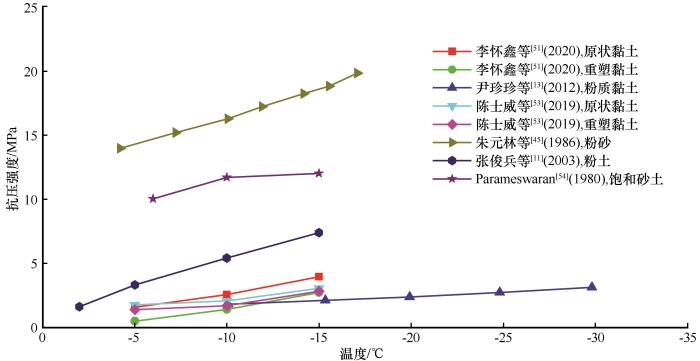
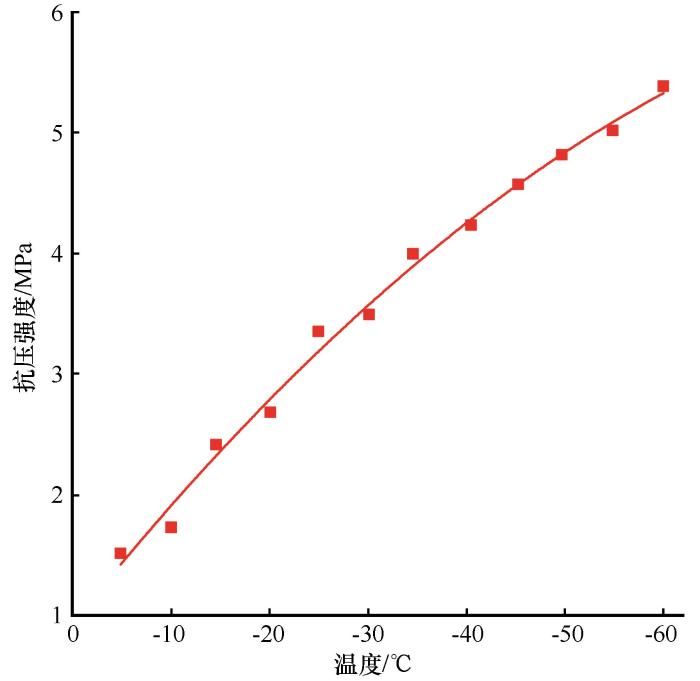

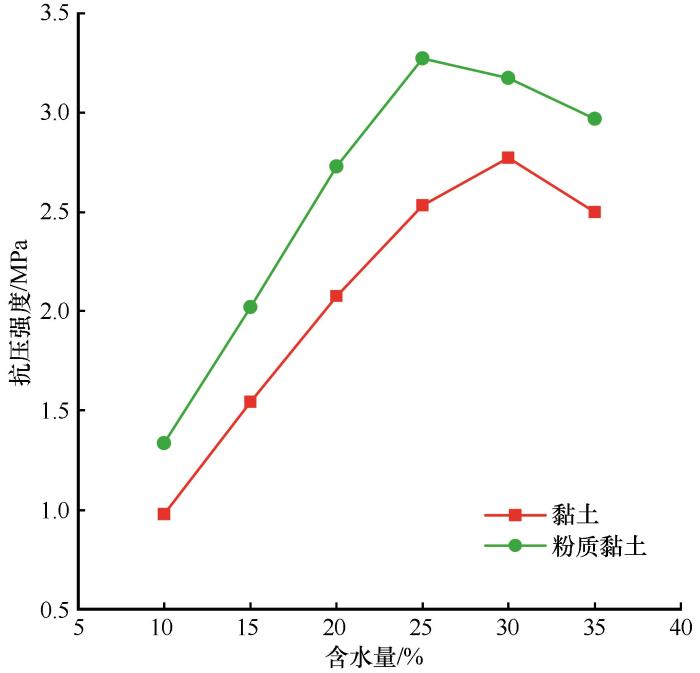

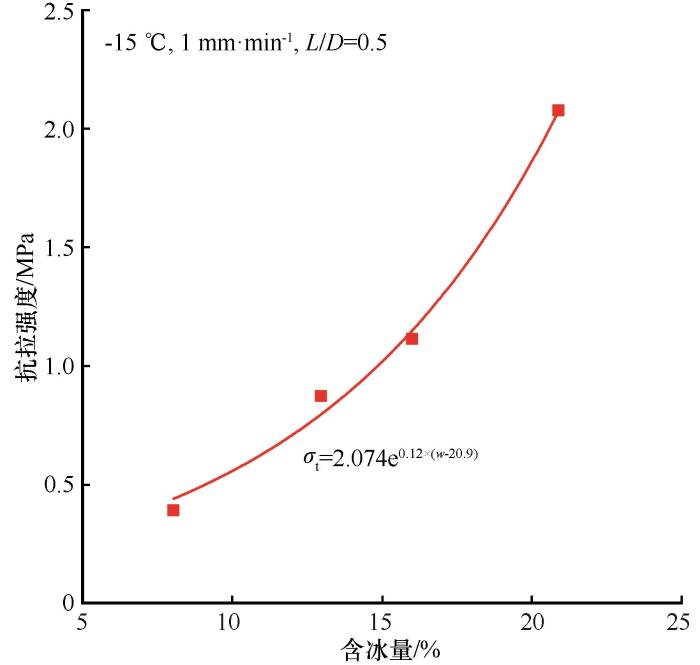
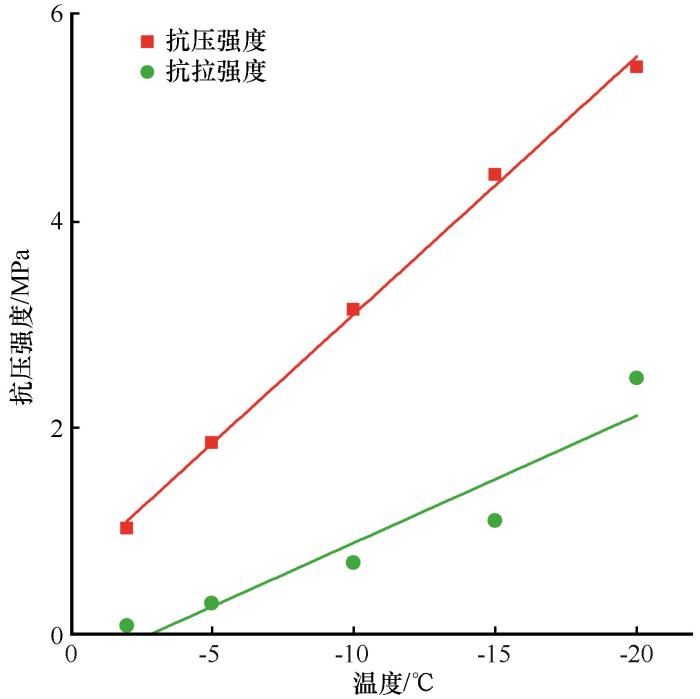


 甘公网安备 62010202000676号


